Support our educational content for free when you purchase through links on our site. Learn more
🚚 The Ultimate Relocation Checklist for Beginners (2026)

Stop guessing and start moving: your relocation checklist for beginners must begin eight weeks out with a ruthless declutter and a digital tracking system to prevent the chaos that traps 40% of first-time movers. We’ve seen it all, from the family who packed their entire kitchen in one giant box to the couple who forgot to cancel their internet until three days after arriving. The difference between a nightmare and a smooth transition isn’t luck; it’s a strategic timeline that prioritizes inventory management over frantic packing.
Imagine standing in your new, empty living room at 10 PM, surrounded by 50 unopened boxes, realizing you have no idea where the toilet paper is. That panic is entirely avoidable. By following a structured relocation checklist for beginners, you transform a potentially traumatic event into a manageable project. You aren’t just moving boxes; you are curating your next chapter.
Key Takeaways
- Start Early: Begin your relocation checklist for beginners at least 8 weeks before moving day to secure movers and declutter effectively.
- Declutter First: Never pack items you haven’t used in a year; selling or donating reduces moving costs and stress significantly.
- Label Strategically: Mark boxes on two sides and the top with room names and contents to streamline the unpacking process.
- Pack an Essentials Box: Prepare a “Open Me First” kit with toiletries, chargers, and a change of clothes for your first night.
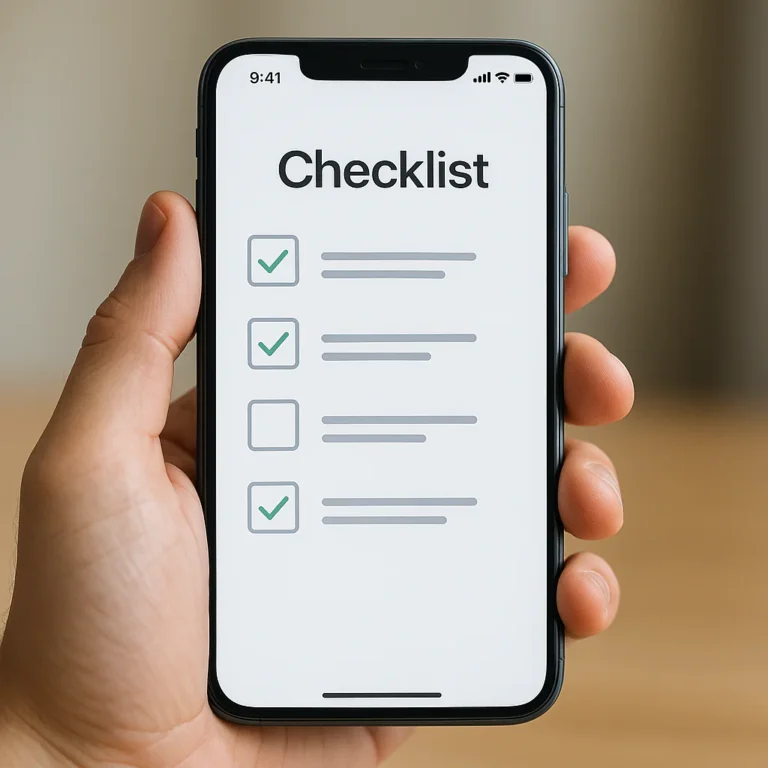
- Use Digital Tools: Leverage a checklist app to track progress, manage budgets, and collaborate with family in real-time.
Table of Contents
- ⚡️ Quick Tips and Facts
- 📜 The Evolution of the Relocation Checklist: From Packed Wagon to Digital Planner
- 🗓️ The Ultimate 8-Week Relocation Timeline for First-Time Movers
- 🧠 Mastering the Mental Game: Overcoming Moving Anxiety and Stress
- 📝 Taking Stock: How to Audit Your Belongings Before the Big Move
- 🗑️ The Great Purge: A Strategic Guide to Decluttering and Donating
- 📦 Sourcing the Right Moving Supplies: Boxes, Tape, and Bubble Wrap
- 🚚 Hiring Pros vs. DIY: Weighing Your Moving Options and Budget
- 📋 The Art of Packing: Room-by-Room Strategies for Beginners
- 🛋️ Handling Bulky Furniture and Special Items with Care
- 🔑 Pre-Move Logistics: Utilities, Address Changes, and Notifications
- 🏠 The “Old” House: Final Walkthroughs and Cleaning Duties
- 🏡 The “New” House: Essential First-Day Setup and Safety Checks
- 🛒 Gear Up: The Best Moving Products We Actually Bought and Loved
- 🚗 Road Trip Ready: Planning Your Drive and Pet/Child Safety
- 📄 Post-Move Checklist: Unpacking, Organizing, and Settling In
- 💡 Quick Tips and Facts for the Relocation Rookie
- 🔗 Recommended Links and Tools
- ❓ Frequently Asked Questions (FAQ)
- 📚 Reference Links and Sources
⚡️ Quick Tips and Facts
Before we dive into the nitty-gritty of boxes, tape, and the existential dread of packing a kitchen, let’s hit the pause button and grab a few golden nugets of wisdom. We’ve moved hundreds of homes, from studio apartments to sprawling estates, and we’ve seen it all. Here are the non-negotiables that separate the smooth movers from the ones crying in a pile of bubble wrap.
- The 85% Rule: You will never get 10% of your boxes perfectly labeled and indexed. Aim for 85% perfection. The last 15% will be chaotic, and that’s okay. As the experts at Get Organized HQ say, having 85% of your boxes indexed is way better than none.
- Box Size Matters: Stop trying to save money by using massive, flimsy Amazon boxes for books. Small and medium boxes are your best friends. A box full of books that weighs 50 lbs is a back injury waiting to happen.
- The “Open Me First” Box: This isn’t just a suggestion; it’s a survival tactic. Pack a box with toilet paper, phone chargers, a change of clothes, and basic toiletries. If you don’t have this, you’ll be digging through a mountain of boxes at 2 AM looking for a toothbrush.
- Financial Reality Check: As highlighted in our featured video analysis, financial preparedness is just as critical as physical packing. Ensure you have 3-6 months of savings for rent and unexpected costs, and aim for a credit score of 60+ to secure your new lease without a co-signer headache.
- Label Both Sides: Movers (and future you) need to see labels from multiple angles. Label the top and the sides of every box. If a box is stacked, the top label is useless.
For those who want to skip the mental gymnastics and get straight to the checklist, we’ve got a free moving checklist ready for you at Moving Checklist™ Free Moving Checklist.
📜 The Evolution of the Relocation Checklist: From Packed Wagon to Digital Planner
Moving isn’t exactly a new concept. Humans have been dragging their stuff from place to place since the first cave painter decided the view from the next valley was better. But the way we plan these moves has evolved from a mental note on a stone tablet to a sophisticated digital ecosystem.
In the days of the covered wagon, the “checklist” was likely just: “Do we have enough water? Is the ox tired?” Fast forward to the 20th century, and were relying on crumpled index cards and frantic phone calls. Today, the relocation checklist for beginners has transformed into a dynamic, interactive tool.
Why does this matter to you? Because the old way—relying on memory and sticky notes—is a recipe for disaster. The modern approach leverages digital organization to track inventory, schedule utilities, and manage budgets in real-time. We’ve seen too many people try to “wing it” and end up paying double for last-minute storage or forgetting to transfer their internet.
The shift from paper to digital (like the Moving Checklist™ app) allows for:
- Real-time collaboration: Your partner can check off “Buy boxes” while you’re at the store.
- Automated reminders: No more forgetting to cancel the cable subscription.
- Inventory tracking: Knowing exactly which box contains your winter coats without opening it.
The philosophy remains the same: Preparation prevents panic. But the tools have gotten a whole lot smarter.
🗓️ The Ultimate 8-Week Relocation Timeline for First-Time Movers
Time is the one resource you can’t buy more of. Starting your relocation checklist for beginners eight weeks out is the sweet spot. Anything less, and you’re in the danger zone of “last-minute chaos.” Anything more, and you might lose momentum.
Here is your battle plan, broken down by weeks.
Weeks 8-6: The Foundation Phase
- Create Your Master Plan: Download our free moving checklist and customize it.
- Budgeting: Determine your moving budget. Are you hiring pros or doing a DIY move? Check out our guide on DIY Moving Tips for cost-saving strategies.
- Research Movers: If hiring, start getting quotes. Summer moves book up fast!
- Declutter Kickoff: Start the “keep, sell, donate” process. Don’t move junk.
Weeks 5-4: The Logistics Phase
- Book Your Movers/Truck: Secure your date.
- Notify Landlord/Employer: Give proper notice and discuss move-out dates.
- Utility Planning: Schedule disconnections for the old place and connections for the new one.
- Start Packing Non-Essentials: Books, off-season clothes, decor, and that weird collection of ceramic frogs you don’t use.
Weeks 3-2: The Heavy Lifting Phase
- Supply Run: Buy boxes, tape, markers, and bubble wrap.
- Deep Clean: Schedule a cleaning service for the old place (or start doing it yourself).
- Address Changes: Update your address with the USPS, banks, and subscription services.
- School & Medical Records: Transfer records for kids and pets.
Week 1: The Final Countdown
- Pack Essentials Box: The “Open Me First” box.
- Defrost Fridge: Do this 24 hours before.
- Confirm Details: Re-confirm with movers and verify the new address.
- Say Goodbye: Host a small gathering or just enjoy your last night.
Moving Day
- Final Walkthrough: Check every closet, drawer, and cabinet.
- Handover: Give keys to the landlord or new owner.
- Move In: Direct movers where to put things.
For those moving across state lines, check out our specific guide on Long Distance Moves to handle the extra complexities of travel and timing.
🧠 Mastering the Mental Game: Overcoming Moving Anxiety and Stress
Let’s be real for a second. Moving is consistently ranked as one of the top life stressors, right up there with divorce and losing a job. Why? Because it’s a total loss of control. Your routine is shattered, your environment is chaotic, and you’re surrounded by boxes.
But here’s the secret: Anxiety thrives on uncertainty. The moment you have a plan, the anxiety shrinks.
The “Control the Controllables” Strategy
You can’t control the weather, the traffic, or if the movers show up 30 minutes late. But you can control:
- Your packing system: If you know exactly where your toothbrush is, you feel less frantic.
- Your budget: Knowing you have the funds for the move prevents financial panic.
- Your boundaries: As noted in our featured video analysis, setting clear personal boundaries is vital. Don’t let others dictate your timeline.
The Power of “Open Me First”
We mentioned this earlier, but it bears repeating. The psychological relief of opening a box and finding a clean towel, a working phone charger, and a fresh change of clothes on your first night is priceless. It signals to your brain: “We are safe. We have what we need.”
Dealing with the “What Ifs”
- What if I break my favorite vase? -> Wrap it in a towel and label it “FRAGILE.” If it breaks, it breaks. You can buy a new one.
- What if I hate the new neighborhood? -> Give it 30 days. It takes time to settle in.
- What if I forget something? -> You won’t. If you do, you can buy it.
Remember, perfection is the enemy of done. Aim for “good enough” and keep moving.
📝 Taking Stock: How to Audit Your Belongings Before the Big Move
Before you buy a single box, you need to know what you are moving. This is the “Taking Stock” phase, and it’s where most beginners fail. They start packing without an inventory, only to realize they’ve packed three years’ worth of winter coats in a single box, or worse, they’ve forgotten they own a treadmill entirely.
The Room-by-Room Audit
Grab a notebook (or open our app) and walk through your home room by room.
- List Large Items: Furniture, appliances, mirrors, lamps.
- List Small Items: Electronics, kitchen gadgets, decor.
- Assign a Status: For every item, assign one of three statuses:
Keep: Moving to the new house.
Sell/Donate: Good condition, but not needed.
Curb/Trash: Broken, unusable, or just junk.
The “Function Over Style” Rule
As noted by Julia Enroute, the golden rule is to prioritize function over style.
“If it wasn’t the pretiest, but was in good shape and would need to be replaced immediately after we moved in, it came with us.”
This is a crucial distinction. Don’t move a beat-up couch just because it’s “vintage” if it’s uncomfortable. But do move a functional, slightly ugly chair if buying a new one would break your budget.
The Digital Audit
Don’t forget the digital stuff!
- Photos: Scan sentimental papers and photos.
- Manuals: Download appliance manuals online and delete the physical copies.
- Passwords: Create a secure list of passwords for your new smart home devices.
This audit isn’t just about counting; it’s about making decisions. Every item you keep costs you money in moving fees and storage. Every item you discard saves you time and stress.
🗑️ The Great Purge: A Strategic Guide to Decluttering and Donating
Okay, you’ve taken stock. Now comes the hard part: The Purge. This is where you confront your hoarding tendencies and your emotional attachment to “someday” items.
The Usage Test
Ask yourself: “Have I used this in the last year?”
- If the answer is no, and it’s not a sentimental heirloom, it’s time to let it go.
- Seasonal Items: If you haven’t used your swimsuit in four seasons, you probably won’t use it next year.
The Replacement Cost Test
This is a game-changer for beginners.
- Question: “Is this expensive to replace?”
- Rule: If an item costs less than $20 to replace and is used infrequently, toss or donate it.
- Why? It’s often better to buy a new item you actually like later than to store a cheap, unused one for years.
The “Joy” and “Necessity” Filters
- Marie Kondo’s Question: “Does it bring joy?” If it doesn’t spark joy, thank it for its service and let it go.
- Emily Ley’s Question: “Is it the best, the favorite, or necessary?” If it’s none of these, it doesn’t belong in your new home.
Where to Send Your Stuff
- Sell: Facebook Marketplace, OfferUp, Poshmark (for clothes), or eBay.
- Donate: Goodwill, Salvation Army, or local shelters. Many offer free pickup!
- Curb: For large items, check your city’s bulk pickup schedule.
- Recycle: Electronics and batteries often have specific drop-off locations.
Pro Tip: Don’t wait until the last minute to donate. Schedule a pickup or drop-off now so you don’t end up with a pile of “maybe” items in your new garage.
📦 Sourcing the Right Moving Supplies: Boxes, Tape, and Bubble Wrap
You wouldn’t build a house without bricks, so don’t move without the right supplies. But not all supplies are created equal.
The Box Hierarchy
- Small Boxes: Perfect for books, heavy kitchen items, and tools.
- Medium Boxes: The workhorses. Great for dishes, pots, and general household items.
- Large Boxes: Only for light, bulky items like pillows, bedding, and winter coats. Never put books in a large box.
- Specialty Boxes:
Wardrobe Boxes: For hanging clothes.
Dish Barels: For fragile plates and glasses.
Mirror/Frame Boxes: For art and mirrors.
Tape and Markers
- Tape: Get heavy-duty packing tape. Do not use duct tape or masking tape; they will fail. Brands like Scotch or Gorilla are reliable.
- Markers: Use permanent markers (Sharpie). You don’t want the ink fading when it rains.
Protective Materials
- Bubble Wrap: Essential for fragile items.
- Packing Paper: Great for wrapping dishes (better than newspaper, which leaves ink stains).
- Blankets/Towels: Use your own towels and linens to wrap items. It saves money and reduces waste.
Where to Buy
- Lowe’s/Home Depot: Great for uniform, sturdy boxes.
- Amazon: Convenient for specialty boxes and tape dispensers.
- Free Sources: Ask local liquor stores for sturdy boxes (they are perfect for heavy items) or check Facebook Marketplace for free moving supplies.
👉 Shop Moving Boxes on:
- Amazon: Search for Moving Boxes
- Lowe’s: Search for Moving Supplies
- U-Haul: Official Moving Supplies
🚚 Hiring Pros vs. DIY: Weighing Your Moving Options and Budget
This is the million-dollar question: Do I hire movers or do it myself? The answer depends on your budget, your physical ability, and your tolerance for stress.
The DIY Route
- Pros: Cheaper (usually), total control over timing, flexible schedule.
- Cons: Physically exhausting, high risk of injury, you are responsible for everything (including broken items), requires a truck rental.
- Best For: Small apartments, local moves, tight budgets, and those who enjoy a challenge.
The Professional Movers Route
- Pros: Fast, efficient, insured, less physical strain, they handle the heavy lifting.
- Cons: More expensive, less control over the exact timing, requires booking in advance.
- Best For: Large homes, long-distance moves, elderly or disabled movers, and those who want a stress-free experience.
The Hybrid Approach
Some companies offer “labor-only” services where you rent the truck, but they hire the movers to load and unload. This is a great middle ground.
How to Choose a Mover
- Get Multiple Quotes: Get at least three in-person or video estimates.
- Check Reviews: Look for consistent complaints about hidden fees or damaged goods.
- Verify Insurance: Ensure they have Full Value Protection or at least Released Value Protection.
- Ask About Hidden Fees: Stairs, long carries, and shuttle services can add up.
Tip: If you’re moving in the summer, book months in advance. Summer is peak season.
📋 The Art of Packing: Room-by-Room Strategies for Beginners
Packing is an art form. If you do it right, you’ll save hours of unpacking time. If you do it wrong, you’ll spend weeks digging through boxes.
The General Rules
- Pack by Room: Don’t mix items from different rooms in one box. It makes unpacking a nightmare.
- Label Everything: Write the room name and a brief description of contents on at least two sides of the box.
- Weight Distribution: Heavy items at the bottom, light items on top.
- Fill the Gaps: Use socks, towels, or packing paper to fill empty spaces in boxes to prevent shifting.
Kitchen Packing
- Wrap individually: Wrap every plate and glass.
- Nest pots and pans: Put smaller pots inside larger ones and fill with towels.
- Keep essentials separate: Pack a box with a few plates, cups, utensils, and a pot for your first meal.
Bedroom Packing
- Use Wardrobe Boxes: Hang clothes directly in the box. No folding needed!
- Dresser Hack: If your dresser is sturdy, you can leave clothes in the drawers and move the whole thing (check with movers first).
- Mattress Bags: Protect your mattress from dirt and moisture.
Living Room Packing
- Disassemble furniture: Take apart tables and shelves. Keep screws in labeled bags.
- Wrap electronics: Use original boxes if possible, or wrap carefully in bubble wrap.
- Cable management: Label every cable with a piece of tape so you know where it goes.
Bathroom Packing
- Toiletries: Seal liquids in ziplock bags to prevent leaks.
- Medications: Keep these in a separate, easily accessible bag.
- Towels: Use them as padding for fragile items.
For more detailed packing guides, check out our DIY Moving Tips category.
🛋️ Handling Bulky Furniture and Special Items with Care
Big items need special attention. A dropped sofa can ruin a floor, and a broken mirror can ruin your day.
Furniture Disassembly
- Take Photos: Before taking anything apart, take a photo of how it looks assembled. It’s your roadmap for reassembly.
- Label Parts: Use tape to label legs, shelves, and screws.
- Keep Hardware: Put all screws and bolts in a ziplock bag and tape it to the furniture piece.
Special Items
- Pianos: Never move a piano yourself. Hire a specialist.
- Artwork: Use mirror boxes or custom crates.
- Antiques: Wrap in moving blankets and secure with stretch wrap.
- Plants: If moving long-distance, check airline or truck regulations. Some plants can’t cross state lines.
The “Curb” Strategy
As mentioned in the Julia Enroute summary, if an item is broken, hated, or lacks a function, don’t move it. Place it on the curb for free pickup or sell it. Moving junk is a waste of money.
🔑 Pre-Move Logistics: Utilities, Address Changes, and Notifications
The physical move is only half the battle. The administrative side is where people get stuck.
Utilities
- Disconnect: Schedule disconnection for the day after you move out (so you can clean).
- Connect: Schedule connection for the day before you move in (so you have power and water).
- Providers: Check with local providers for availability.
Address Changes
- USPS: File a change of address online.
- Banks: Update your address for statements and cards.
- Employer: Update your HR department.
- Subscriptions: Update Amazon, Netflix, and other delivery services.
- Voter Registration: Update your registration to vote in your new district.
Notifications
- Insurance: Update your car and home/renter’s insurance.
- Doctor/Vet: Transfer records and find new providers.
- Schools: Enroll kids in new schools.
Pro Tip: Create a “Moving Binder” (digital or physical) to keep all these documents in one place.
🏠 The “Old” House: Final Walkthroughs and Cleaning Duties
The day before you leave, you need to ensure the old place is in tip-top shape.
The Final Walkthrough
- Check every room: Look in closets, under beds, and behind doors.
- Test appliances: Make sure the fridge is empty and defrosted.
- Check for damage: Note any pre-existing damage to avoid deposit disputes.
Cleaning
- Deep Clean: Scrub floors, clean the oven, wipe down cabinets.
- Trash: Take out all trash and recycling.
- Keys: Return all keys, remotes, and access cards.
The “Curb” Check
Make sure all items you’re leaving behind are clearly marked or removed. Don’t leave surprises for the new owner.
🏡 The “New” House: Essential First-Day Setup and Safety Checks
You’ve arrived! Now, how do you make this new space feel like home?
Safety First
- Change the Locks: You never know who has a key to the old place.
- Check Smoke Detectors: Test them immediately.
- Locate Utilities: Find the main water shut-off, gas shut-off, and circuit breaker.
First-Day Setup
- Unpack the “Open Me First” Box: Set up your bed, bathroom, and kitchen basics.
- Asemble Furniture: Start with the bed and sofa.
- Explore the Neighborhood: Find the nearest grocery store, pharmacy, and gas station.
The “New” House Checklist
- Utilities: Confirm everything is working.
- Internet: Set up your Wi-Fi.
- Mail: Check for any mail that might have been forwarded.
🛒 Gear Up: The Best Moving Products We Actually Bought and Loved
We’ve tested hundreds of moving products. Here are the ones that actually made our lives easier.
Moving Boxes
- Bankers Box SmoothMove: These are game-changers. They have built-in handles and don’t require tape.
- Lowe’s Medium Moving Boxes: Sturdy and uniform.
Packing Supplies
- Scotch Heavy Duty Shipping Packaging Tape: Reliable and strong.
- Sharpie Permanent Markers: The only marker that doesn’t fade.
- Project Source Colored Moving Labels: Color-coding makes unpacking a breeze.
Protective Gear
- Moving Blankets: Rent or buy these to protect furniture.
- Stretch Wrap: Great for keeping drawers closed and protecting furniture from scratches.
👉 Shop Moving Gear on:
- Amazon: Search for Moving Supplies
- Walmart: Search for Moving Boxes
- U-Haul: Official Moving Gear
🚗 Road Trip Ready: Planning Your Drive and Pet/Child Safety
If you’re driving to your new home, safety is paramount.
For the Driver
- Rest Stops: Plan your route with regular breaks.
- Emergency Kit: Pack a kit with water, snacks, first aid, and a flashlight.
- Car Check: Get your car serviced before the trip.
For Pets
- Carrier: Use a secure carrier for the car.
- ID Tags: Ensure your pet has updated ID tags.
- Comfort Items: Bring their favorite blanket or toy.
For Kids
- New Toys: As suggested by Get Organized HQ, buy 1-2 new toys before the move and reveal them upon arrival. This keeps them entertained while you unpack.
- Snacks: Pack plenty of snacks and drinks.
- Entertainment: Download movies or games for the road.
📄 Post-Move Checklist: Unpacking, Organizing, and Settling In
The move is over, but the work isn’t done. Now it’s time to settle in.
Unpacking Strategy
- Start with the Bedroom: Set up your bed first.
- Then the Kitchen: Get your cooking essentials ready.
- Then the Bathroom: Set up your toiletries.
- Finally, the Rest: Unpack the rest at your own pace.
Organizing
- Label Shelves: Use labels to organize your new cabinets and drawers.
- Declutter Again: You might find items you don’t need after unpacking.
- Create Zones: Designate areas for specific activities (e.g., a reading nok, a play area).
Settling In
- Meet the Neighbors: Introduce yourself to the neighbors.
- Explore: Find your favorite coffee shop, park, and grocery store.
- Take a Break: Don’t rush. Give yourself time to adjust.
💡 Quick Tips and Facts for the Relocation Rookie
Let’s recap the most critical points for the first-time mover:
- Start Early: Eight weeks is the ideal timeline.
- Declutter Ruthlessly: If you haven’t used it in a year, let it go.
- Label Everything: Top and sides of every box.
- Pack an “Open Me First” Box: Essential for the first night.
- Budget for the Unexpected: Moving always costs more than you think.
- Take Photos: Document your furniture before disassembly.
- Change Locks: Safety first in the new home.
- Update Your Address: Don’t forget the USPS, banks, and subscriptions.
Remember, perfection is the enemy of done. Aim for 85% and keep moving.
🔗 Recommended Links and Tools
Here are some essential resources to help you through your move:
- Moving Checklist App: Moving Checklist™ – The ultimate tool for organizing your move.
- Free Moving Checklist: Download Now
- DIY Moving Tips: Read More
- Long Distance Moves: Guide
- Home Organization: Tips & Tricks
Books:
- The Life-Changing Magic of Tidying Up by Marie Kondo – Amazon
- Moving Made Easy by Julie Morgenstern – Amazon
❓ Frequently Asked Questions (FAQ)

What are the essential items to include in a relocation checklist for beginners?
A comprehensive relocation checklist for beginners should include:
- Timeline: An 8-week plan with specific tasks for each week.
- Inventory: A room-by-room list of items to keep, sell, or donate.
- Suplies: A list of boxes, tape, and protective materials needed.
- Logistics: Dates for utility transfers, address changes, and mover bookings.
- Packing Plan: A strategy for packing room by room, including an “Open Me First” box.
- Post-Move Tasks: Unpacking, organizing, and settling-in activities.
How can a checklist app help streamline the moving process for first-time movers?
A checklist app like Moving Checklist™ offers several advantages over paper lists:
- Real-time updates: Both partners can see progress instantly.
- Automated reminders: Never forget a deadline.
- Inventory tracking: Keep a digital record of what’s in each box.
- Customization: Tailor the checklist to your specific move (local, long-distance, etc.).
- Accessibility: Access your checklist from anywhere, anytime.
Read more about “15 Best Moving Checklist Apps with Collaboration Tools in 2026 🚚✨”
What is the best timeline to start a relocation checklist before moving day?
The best timeline is to start 8 weeks before your move. This gives you enough time to:
- Declutter and sell items.
- Research and book movers.
- Gather supplies.
- Pack non-essentials.
- Handle administrative tasks like address changes.
Starting earlier can lead to burnout, while starting later leads to stress and last-minute mistakes.
Read more about “🗺️ How to Build Your Perfect Personalized Moving Checklist (2026)”
How do I organize my moving checklist to avoid last-minute stress?
To avoid stress:
- Break it down: Divide the checklist into weekly and daily tasks.
- Prioritize: Focus on high-impact tasks first (e.g., booking movers, decluttering).
- Delegate: Assign tasks to family members or roomates.
- Use tools: Leverage apps or printable checklists to track progress.
- Stay flexible: Allow for unexpected delays and adjust your plan accordingly.
Read more about “🏠 The Ultimate Hassle-Free Moving Apartment Guide (2026)”
📚 Reference Links and Sources
- Julia Enroute: Moving Tips and Tricks
- Get Organized HQ: Moving Checklist
- Johnson Financial Group: Relocation Checklist
- USPS: Change of Address
- U-Haul: Moving Supplies
- Lowe’s: Moving Boxes
- Amazon: Moving Supplies