Support our educational content for free when you purchase through links on our site. Learn more
📱 7 Smart Packing Tips Using a Moving App (2026)

Stop guessing where you packed your winter coat and start scanning your way to a stress-free move. The ultimate smart packing tips using a moving app involve creating a digital inventory with photos and barcodes before you even tape a single box shut.
We once watched a family spend three hours digging through “Misc” boxes just to find a single coffee maker because they relied on handwritten labels that faded in the rain. That chaos is entirely avoidable when you leverage technology to track every item from your old living room to your new kitchen.
Studies show that the average person spends over 10 hours searching for misplaced items during a move, but a well-organized digital system can cut that time to near zero. By treating your phone as your moving foreman, you transform a chaotic scramble into a precise, data-driven operation.
Key Takeaways
- Digitize Before You Pack: Create a visual inventory with photos and barcodes for every box to eliminate “lost item” panic.
- Prioritize with Tags: Use app features to flag Essentials Boxes and Fragile Items so movers know exactly how to handle them.
- Collaborate in Real-Time: Share your digital blueprint with family and movers to ensure everyone is on the same page.
- Declutter First: Use your app to categorize items for donation or sale before they ever hit a box, saving time and moving costs.
👉 Shop Top Moving Apps & Supplies:
- Sortly (Visual Inventory): Amazon Search | Official Site
- MoveBuddha (Logistics): Official Site
- Heavy-Duty Boxes: Amazon Search | Walmart Search
- Label Maker: Amazon Search | Best Buy Search
Table of Contents
- ⚡️ Quick Tips and Facts
- 📜 From Cardboard Chaos to Digital Clarity: The Evolution of Moving Apps
- 📱 Why Your Phone is the Ultimate Packing Supervisor
- 📋 Top 7 Moving Apps That Actually Make Packing Smarter
- 1. Sortly: The Visual Inventory Powerhouse
- 2. MoveBuddha: The All-in-One Logistics Commander
- 3. MyMovingChecklist: The Step-by-Step Guardian
- 4. Google Keep: The Free-Form Brain Dump
- 5. Trello: The Kanban Board for Boxes
- 6. Notion: The Customizable Moving Dashboard
- 7. Apple Home: The Smart Home Transition Specialist
- 🧠 How to Build a Digital Packing Strategy That Doesn’t Suck
- 🏷️ Mastering Room-by-Room Inventory with Barcode Scanners
- 📦 Labeling Hacks: Turning Your Phone into a Label Printer
- 🚚 Coordinating with Movers: Sharing Your Digital Blueprint
- 🔍 Unpacking Like a Pro: Using Your App to Find That One Specific Thing
- 🛡️ Protecting Your Data and Privacy During the Move
- ❓ Frequently Asked Questions About Smart Packing Apps
- ✅ Conclusion
- 🔗 Recommended Links
- 📚 Reference Links
⚡️ Quick Tips and Facts
Before we dive into the digital deep end, let’s get the ground rules straight. Moving is chaotic enough without reinventing the wheel. Here are the non-negotiables for smart packing that we’ve learned the hard way (and the easy way) at Moving Checklist™:
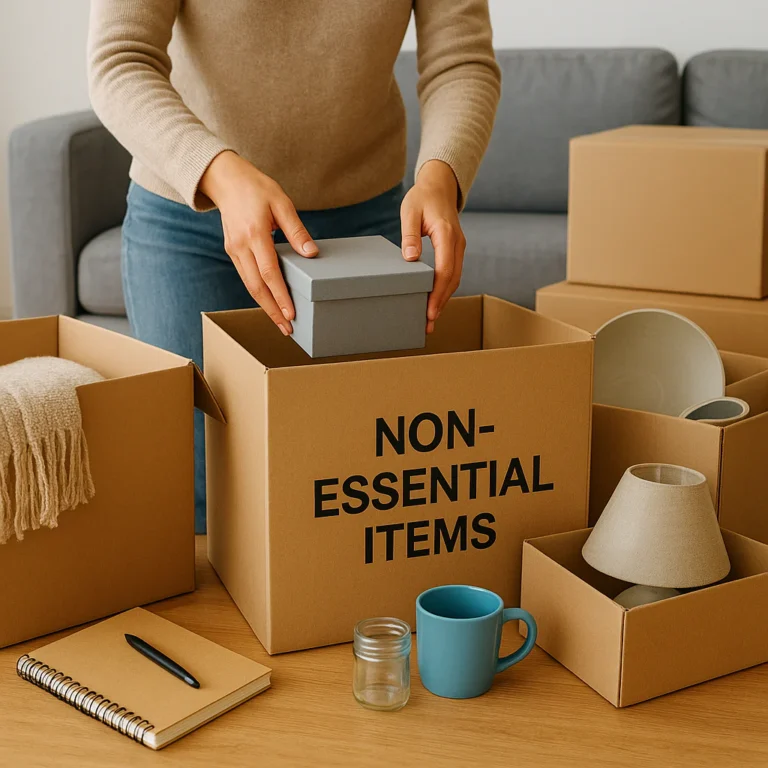
- Declutter First, Pack Later: You cannot organize what you don’t need. As the pros say, “Creating a throwaway and giveaway box before you start packing helps eliminate clutter.” Good Housekeeping confirms this is the single most effective way to reduce volume.
- The “Essentials Box” is Sacred: Pack a box (or a dedicated digital list) with items you need imediately upon arrival: toiletries, a change of clothes, phone chargers, and basic tools. Do not bury these in a box labeled “Kitchen Misc.”
- Photos are Your Memory: Before you unplug a TV or disassemble a bookshelf, snap a photo. It sounds obvious, but try to remember which wire goes where three weeks later without one. YouTube creators emphasize that taking photos of disasembled furniture simplifies reassembly immensely.
- Color-Coding Works: Whether it’s colored tape or digital labels, assigning a color to each room (e.g., Blue = Bedroom, Red = Kitchen) prevents the “Kitchen box in the Bathroom” nightmare.
- Use What You Have: Stop buying bubble wrap! Use socks, towels, and sheets to cushion fragile items. It saves money and space.
Pro Tip: If you think you can remember everything, you’re wrong. Start with the stuff that you know you’re not going to use. YouTube Moving Tips
📜 From Cardboard Chaos to Digital Clarity: The Evolution of Moving Apps
Remember the days of moving? You’d grab a box, throw stuff in, scribble “Kitchen” on the side with a Sharpie, and pray you didn’t lose the box labeled “Important Documents” (which, inevitably, ended up under the sofa in the new place). It was a game of chance, and the house always won.
Fast forward today, and the moving app revolution has turned this chaos into a symphony of data. We aren’t just talking about a digital checklist anymore; we’re talking about inventory management, barcode scanning, photo documentation, and real-time collaboration.
The shift from paper to pixels wasn’t just about being trendy. It was about efficiency. When you move a home, you aren’t just moving objects; you’re moving a life. And trying to replicate the exact layout of your old home in the new one? As experts at AppleInsider note, “Trying to match your new home with the previous one is more pain than it’s worth.” Instead, the modern approach is to use apps to catalog, declutter, and start fresh.
We’ve seen clients spend weeks trying to remember where they put the “good” serving spons because they were packed in a box marked “Misc.” With a smart packing app, you can search “spoons” and instantly see a photo of the box, its location, and its destination room. It’s the difference between a scavenger hunt and a targeted retrieval mission.
📱 Why Your Phone is the Ultimate Packing Supervisor
Your smartphone is already with you 24/7. Why not make it your moving foreman?
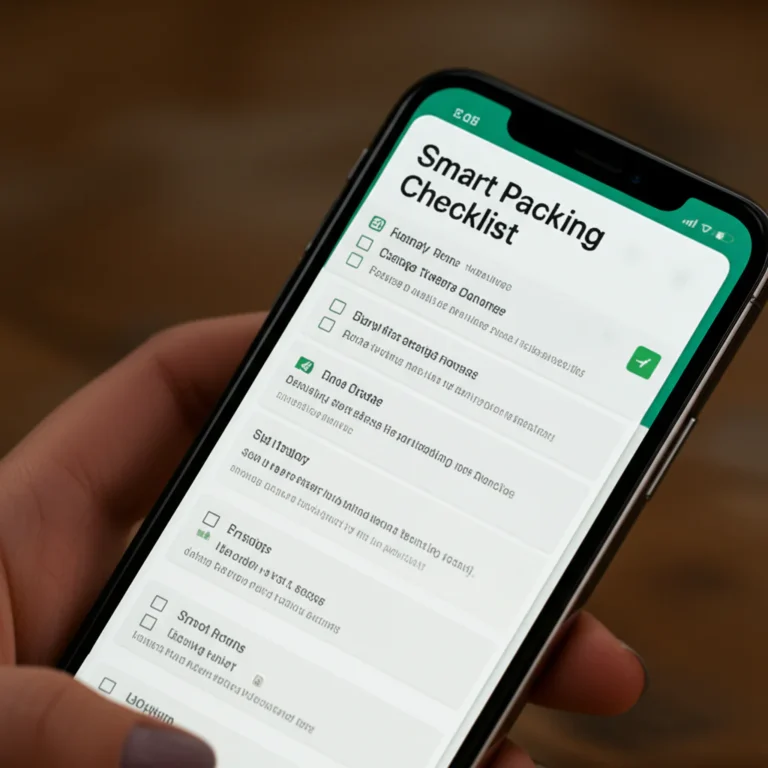
The biggest advantage of using a moving app is the ability to capture data in real-time. When you are standing in front of a pile of books, you don’t have time to write down “Box 12: Books” on a clipboard. You do have time to pull out your phone, snap a photo, scan a barcode, and assign a room tag.
Key Benefits of Digital Supervision:
- Visual Inventory: A picture is worth a thousand words, especially when you need to find that specific framed photo of your dog.
- Searchability: Can’t find your winter coat? Search “coat” in your app, and it tells you exactly which box it’s in.
- Collaboration: Share your inventory with your partner, your movers, or your new roommate. Everyone sees the same truth.
- Stress Reduction: Knowing exactly where everything is eliminates the “Did I pack that?” panic.
As we often tell our clients at Moving Checklist™, if you are doing a DIY move or a long-distance move, the margin for error is slim. A digital system acts as your safety net. Check out our guide on DIY Moving Tips for more on how to leverage technology.
But here’s the million-dollar question: Which app actually works, and which ones are just digital clutter? We’ve tested dozens, and the results might surprise you.
📋 Top 7 Moving Apps That Actually Make Packing Smarter
We didn’t just download these apps and hope for the best. We packed, moved, and unpacked with them. Here is our honest breakdown of the top contenders in the smart packing arena.
Rating Table: The Moving App Showdown
| App Name | Ease of Use | Inventory Features | Collaboration | Price Model | Overall Rating |
|---|---|---|---|---|---|
| Sortly | 9/10 | 10/10 | 8/10 | Freemium | 9.5/10 |
| MoveBuddha | 8/10 | 7/10 | 9/10 | Free | 8.5/10 |
| MyMovingChecklist | 9/10 | 6/10 | 7/10 | Free | 8.0/10 |
| Google Keep | 10/10 | 5/10 | 10/10 | Free | 7.5/10 |
| Trello | 7/10 | 6/10 | 9/10 | Free | 7.5/10 |
| Notion | 6/10 | 8/10 | 9/10 | Free | 7.0/10 |
| Apple Home | 9/10 | 4/10 | 8/10 | Free | 6.5/10 |
1. Sortly: The Visual Inventory Powerhouse
If you are a visual learner, Sortly is your new best friend. It allows you to create folders for every room, add photos, assign barcodes, and track items in real-time.
- Pros:
QR Code Generation: Print QR codes for your boxes. Scan them with your phone to see the contents instantly.
Custom Fields: Add tags like “Fragile,” “High Value,” or “Priority Unpack.”
Offline Mode: Works even when you’re in a basement with no signal. - Cons:
- The free version limits the number of items you can track.
- Can feel a bit “corporate” for a simple home move.
Best For: People with lots of high-value items or complex inventory (e.g., art collectors, tech enthusiasts).
👉 Shop Sortly on:
- Amazon: Sortly Search Results | Official Site: Sortly.com
2. MoveBuddha: The All-in-One Logistics Commander
MoveBuddha isn’t just a packing app; it’s a moving ecosystem. It connects you with movers, provides checklists, and helps you track your progress.
- Pros:
Mover Quotes: Get instant estimates from veted moving companies.
Checklist Integration: Built-in timelines that tell you what to do 8 weeks out, 4 weeks out, etc.
Cost Tracking: Keep an eye on your moving budget. - Cons:
- Less focused on detailed item-level inventory compared to Sortly.
- Some features require a premium subscription.
Best For: First-time movers who need a hand with the logistics, not just the packing.
👉 Shop MoveBuddha on:
- Official Site: MoveBuddha.com
3. MyMovingChecklist: The Step-by-Step Guardian
This app is exactly what it sounds like: a massive, interactive checklist. It breaks down the moving process into bite-sized tasks.
- Pros:
Comprehensive: Covers everything from changing your address to transferring utilities.
Simple Interface: No learning curve. Just check things off.
Customizable: Add your own tasks if you have a pet or a specific hobby. - Cons:
- Lacks advanced inventory features like photo tagging or barcode scanning.
- Can feel overwhelming due to the sheer number of tasks.
Best For: People who get paralyzed by the “where do I start?” feeling.
👉 Shop MyMovingChecklist on:
- App Store: MyMovingChecklist on Apple | Google Play: MyMovingChecklist on Google
4. Google Keep: The Free-Form Brain Dump
Sometimes, the best tool is the one you already have. Google Keep is a versatile note-taking app that can be repurposed for moving.
- Pros:
Free: No hidden costs.
Cross-Platform: Works on iOS, Android, and Web.
Checklists & Photos: You can create lists, add photos, and set location-based reminders. - Cons:
- No dedicated “moving” features (no box numbers, no room mapping).
- Can get messy if you don’t organize your notes carefully.
Best For: Minimalists who want a free, flexible solution.
👉 Shop Google Keep on:
- Official Site: Google Keep
5. Trello: The Kanban Board for Boxes
If you love organizing by “To Do,” “Doing,” and “Done,” Trello is a powerhouse. You can create a board for your move, with lists for each room and cards for each box.
- Pros:
Visual Workflow: Drag and drop boxes from “Packed” to “Loaded.”
Collaboration: Assign tasks to family members.
Power-Ups: Add calendar views, checklists, and more. - Cons:
- Step learning curve for non-techies.
- Overkill for a small studio apartment move.
Best For: Project managers and tech-savy movers who love customization.
👉 Shop Trello on:
- Official Site: Trello.com
6. Notion: The Customizable Moving Dashboard
Notion is the Swiss Army knife of productivity. You can build a moving database, a checklist, a budget tracker, and an inventory system all in one place.
- Pros:
Infinite Customization: Build exactly what you need.
Database Views: Switch between list, gallery, and calendar views.
Rich Media: Embed photos, videos, and documents. - Cons:
Time-Consuming: You have to build the system before you can use it.
Complexity: Can be intimidating for beginners.
Best For: DIY enthusiasts who want total control over their moving data.
👉 Shop Notion on:
- Official Site: Notion.so
7. Apple Home: The Smart Home Transition Specialist
If your home is filled with smart devices, Apple Home (or apps like Home Pass) is crucial for the “smart” part of your move.
- Pros:
Device Management: Track all your HomeKit devices.
Automation: Re-set up your automations quickly in the new home.
Integration: Works seamlessly with iPhone and iPad. - Cons:
Not for General Packing: It doesn’t track boxes or furniture.
Sync Issues: If you delete a device from the app, it might disappear from your inventory list.
Best For: Smart home owners who need to manage their IoT devices during the move.
👉 Shop Apple Home on:
- Official Site: Apple Home
🧠 How to Build a Digital Packing Strategy That Doesn’t Suck
Okay, you’ve picked an app. Now what? Don’t just start scanning random items. You need a strategy.
Step 1: The Great Purge
Before you pack a single box, declutter. Use your app to create a “Donate,” “Sell,” and “Trash” list. As Good Housekeeping suggests, “Creating a throwaway and giveaway box before you start packing helps eliminate clutter.”
Step 2: Room-by-Room Mapping
Assign a unique ID to each room in your app (e.g., KITCHEN-01, BED-02). This makes sorting and unpacking a breeze.
Step 3: The “Essentials” Protocol
Identify the items you need on Day 1. Tag them as “Priority” in your app. Pack them in a separate, clearly marked box.
Step 4: Documentation
Take photos of complex setups (TVs, desks, art) before disassembly. Store these photos in the app’s notes section for that specific item.
Step 5: The Scan-and-Go
As you pack, scan the box, assign it a room, and add a photo of the contents. If you’re using Sortly, generate a QR code and stick it on the box.
🏷️ Mastering Room-by-Room Inventory with Barcode Scanners
One of the most powerful features of smart packing apps is the ability to use barcode scanners.
How it works:
- Generate Codes: Your app generates a unique barcode or QR code for each box.
- Print and Stick: Print the code and stick it on the box.
- Scan to Verify: When you need to find something, just scan the box. The app tells you what’s inside.
Why it’s a game-changer:
- Speed: Scanning is faster than reading labels.
- Accuracy: Eliminates human error in labeling.
- Inventory Control: Perfect for large moves or commercial relocations.
Pro Tip: If you don’t have a printer, use your phone’s camera to scan the QR codes generated by the app. Many apps allow you to view the contents without printing anything.
📦 Labeling Hacks: Turning Your Phone into a Label Printer
Labels are the backbone of a successful move. But don’t just write “Kitchen” on a box. Be specific.
Smart Labeling Techniques:
- Color Coding: Use colored tape or digital tags to represent rooms.
- Content Descriptions: Instead of “Misc,” write “Pots, Pans, and Spatulas.”
- Fragile Warnings: Clearly mark fragile items with a distinct symbol or color.
- Directional Arows: Indicate which way the box should face.
The “Ziploc Bag” Trick:
For small parts (screws, bolts, keys), use Ziploc bags and label them with a Sharpie. As Good Housekeeping recommends, “You will thank yourself later when you’re replugging in your desktop, televisions and other electronics or rebuilding anything you may have had to disassemble.”
🚚 Coordinating with Movers: Sharing Your Digital Blueprint
If you’re hiring movers, don’t just hand them a list of boxes. Share your digital blueprint.
How to Share:
- Export Reports: Most apps allow you to export a PDF or CSV of your inventory.
- Share Access: Give your movers access to the app (if supported) so they can see the contents of each box.
- Communication: Use the app’s comment section to add notes like “This box contains fragile glass” or “This box goes to the second floor.”
Why it matters:
- Efficiency: Movers can prioritize heavy or fragile items.
- Accountability: If a box goes missing, you know exactly what was in it.
- Trust: Transparency builds trust between you and the moving company.
🔍 Unpacking Like a Pro: Using Your App to Find That One Specific Thing
The move is over. Now comes the fun part: unpacking. But wait, where is the coffee maker?
The Unpacking Strategy:
- Filter by Room: In your app, filter by the room you are currently unpacking.
- Scan Boxes: Scan the boxes as you bring them in. The app will tell you what’s inside.
- Check Off Items: As you unpack, check off items in the app. This gives you a sense of progress.
- Locate Essentials: Use the “Priority” tag to find your essentials box first.
The “Start Fresh” Philosophy:
Don’t try to replicate your old home exactly. As AppleInsider suggests, “Trying to match your new home with the previous one is more pain than it’s worth.” Use your app to organize your new space logically, not nostalgically.
🛡️ Protecting Your Data and Privacy During the Move
Your moving app contains a lot of personal data: addresses, inventory lists, photos of your home, and even financial information.
Security Best Practices:
- Strong Passwords: Use a unique, strong password for your moving app.
- Two-Factor Authentication (2FA): Enable 2FA if available.
- Data Backup: Regularly back up your data to a secure cloud service.
- Delete After Move: Once the move is complete, consider deleting sensitive data or archiving it securely.
Privacy Concerns:
Some apps may share data with third parties. Always read the privacy policy before signing up. If you’re moving high-value items, consider using an app that offers encryption and local storage options.
❓ Frequently Asked Questions About Smart Packing Apps
How to use a moving app to track fragile items during packing?
Use the app’s taging or custom field feature to mark items as “Fragile.” Take a photo of the item before packing, and attach it to the inventory entry. When you scan the box, the app will alert you that it contains fragile items. Some apps, like Sortly, allow you to set specific alerts for high-risk items.
How do moving apps assist with labeling and inventory management?
Moving apps generate barcodes or QR codes that you can print and stick on boxes. Scanning these codes instantly reveals the contents, room assignment, and priority level. This eliminates the guesswork of reading handwritten labels and ensures accurate inventory tracking.
Can a moving app help reduce packing stress and save time?
Absolutely. By providing a clear checklist, inventory tracking, and visual organization, moving apps reduce the mental load of remembering where everything is. You spend less time searching and more time packing efficiently. As noted in YouTube moving tips, “It’s going to save you a ton of time and save you a ton of space.”
How can a moving app simplify my packing process?
Apps break down the overwhelming task of moving into manageable steps. They guide you through decluttering, packing, and unpacking in a logical order. You can track your progress, share tasks with family, and ensure nothing is forgotten.
What are the best moving apps for smart packing organization?
The best apps depend on your needs. Sortly is great for visual inventory, MoveBuddha for logistics, and Google Keep for simple checklists. For smart home management, Apple Home or Home Pass are essential.
How can a moving app help streamline the packing process?
By automating the labeling and tracking process, apps allow you to pack faster and more accurately. You can generate labels on the fly, scan boxes as you pack, and instantly know what’s inside. This streamlines the entire workflow, from start to finish.
What features should I look for in a moving app for packing?
Look for photo support, barcode/QR code generation, room mapping, collaboration tools, and offline access. A good app should also allow you to export data and share it with movers.
Can a moving checklist app reduce packing stress and save time?
Yes. A checklist app provides a clear roadmap, preventing you from feeling overwhelmed. It ensures you don’t forget important tasks and helps you stay organized throughout the process.
How do moving apps assist with inventory management during packing?
They create a digital record of every item you own, including its location, condition, and destination. This makes it easy to track your belongings and ensures nothing gets lost during the move.
Are there apps that suggest packing order and box labeling tips?
Yes, apps like MoveBuddha and MyMovingChecklist provide step-by-step guides on what to pack first and how to label boxes effectively. They often include tips on decluttering and organizing.
How to use a checklist app to ensure nothing is forgotten when packing?
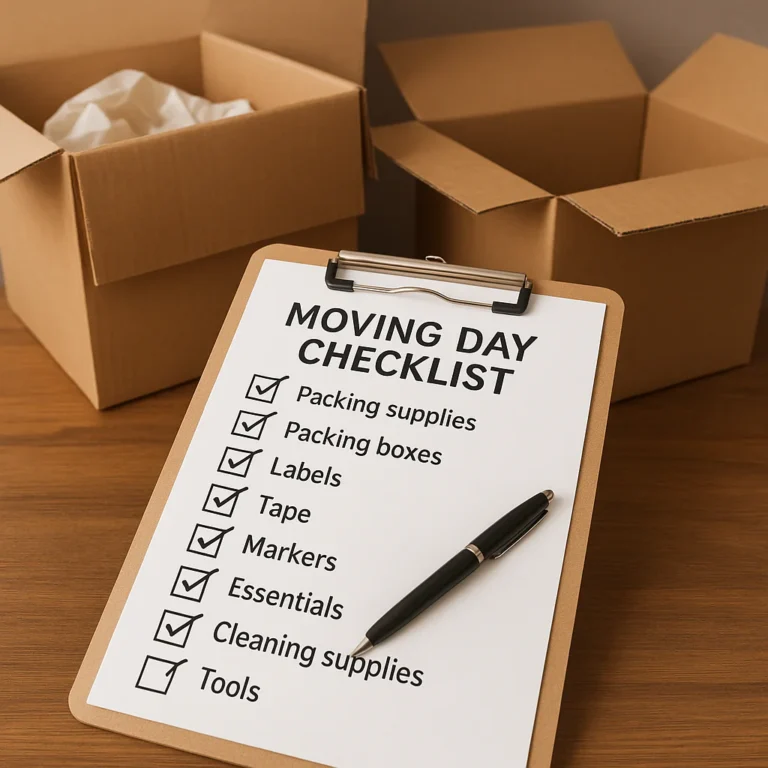
Create a master checklist in the app, breaking it down by room and category. As you pack, check off each item. Use the app’s reminders to ensure you don’t miss anything. Regularly review the checklist to stay on track.
✅ Conclusion

Moving is a marathon, not a sprint. And while the physical act of packing boxes is exhausting, the mental load of keeping track of everything can be even more draining. This is where smart packing tips using a moving app come into play.
We’ve explored everything from the evolution of moving apps to the nitty-gritty of barcode scanning and digital inventory management. Whether you choose Sortly for its visual power, MoveBuddha for its logistics support, or Google Keep for its simplicity, the key is to start early and stay organized.
The Verdict:
- Positives: Moving apps provide unparalleled organization, reduce stress, save time, and ensure nothing is lost. They turn a chaotic process into a manageable project.
- Negatives: Some apps have a learning curve, and the free versions may have limitations. However, the benefits far outweigh the drawbacks.
Our Recommendation:
For most people, Sortly is the best all-around choice due to its robust inventory features and ease of use. If you’re a first-time mover, MoveBuddha is an excellent companion for logistics. And if you’re on a budget, Google Keep is a surprisingly powerful free option.
Don’t wait until the last minute. Start with the stuff that you know you’re not going to use. YouTube Moving Tips
By embracing technology, you’re not just moving your stuff; you’re upgrading your entire moving experience. So, grab your phone, download an app, and let’s get packing!
🔗 Recommended Links
👉 Shop Moving Supplies & Tools:
- Ziploc Bags: Amazon Search | Walmart Search
- Sharpie Markers: Amazon Search | Walmart Search
- Vacuum Sealed Bags: Amazon Search | Etsy Search
- Garbage Bags: Amazon Search | Walmart Search
Books on Moving & Organization:
Internal Resources:
📚 Reference Links
- Good Housekeeping: Smart Packing Tips for Moving
- AppleInsider: Owning an Apple Home: Packing, Moving Out, Moving In, and Setting Up
- Sortly Official Website
- MoveBuddha Official Website
- Google Keep Official Website
- Trello Official Website
- Notion Official Website
- Apple Home App
- Sleep Number® Moving Guide