Support our educational content for free when you purchase through links on our site. Learn more
🌍 12-Step Moving Abroad Checklist & Tips (2026)

Stop guessing and start packing with our 12-step Moving Abroad Checklist and Tips, the definitive roadmap designed to prevent costly customs disasters and culture shock before you even leave the driveway. While many guides offer generic advice, we’ve distilled years of real-world relocation chaos into a foolproof system that covers everything from visa bureaucracy to the art of ruthless decluttering.
Did you know that over 40% of international movers regret not downsizing their belongings, only to pay double the shipping fees for items they never unpacked? We learned this the hard way when a client tried to ship a vintage piano to Tokyo, only to discover it was prohibited by local customs regulations.
The difference between a nightmare move and a smooth transition lies in the details. From securing the right visa months in advance to packing a “first-night” survival kit, every step matters.
Key Takeaways
- Start Early: Begin your Moving Abroad Checklist and Tips journey at least three months before departure to navigate complex visa and customs requirements.
- Declutter Ruthlessly: Shipping costs are calculated by volume; selling or donating unused items can save you thousands in freight fees.
- Secure Documentation: Always carry original passports, visas, and medical records in your carry-on, never in checked luggage.
- Plan for Pets: International pet relocation requires microchipping and rabies titers up to six months in advance.
- Budget for Hidden Costs: Beyond shipping, account for import duties, currency exchange fluctuations, and emergency funds.
Table of Contents
- ⚡️ Quick Tips and Facts
- 🌍 The Global Relocation Background: Why People Move Abroad and When It All Started
- 📋 The Ultimate 12-Step Moving Abroad Checklist for Newbie Expats
- 1. Secure Your Visa and Residency Permits Before Packing a Single Box
- 2. Audit Your Finances: International Bank Accounts, Credit Scores, and Tax Obligations
- 3. Research Cost of Living and Housing Markets in Your Destination Country
- 4. Choose the Right International Moving Company and Get Multiple Quotes
- 5. Create a Detailed Inventory and Declutter Ruthlessly Before Shipping
- 6. Understand Customs Regulations and Prohibited Items for Your Destination
- 7. Arrange International Health Insurance and Transfer Medical Records
- 8. Plan Your Pet Relocation: Vaccinations, Microchips, and Quarantine Rules
- 9. Manage Your Utilities, Internet, and Address Changes Across Borders
- 10. Prepare Your Car for Export or Decide to Sell It Before You Leave
- 1. Pack a “First Night” Suitcase with Essentials for Immediate Survival
- 12. Say Goodbye to Your Home Country and Embrace the Adventure
- 🧳 International Moving Costs: What to Expect and How to Budget
- 📦 Shipping Methods Explained: Air Freight vs. Ocean Freight vs. Groupage
- 🛃 Navigating Customs and Import Duties: A Guide to Avoiding Surprises
- 🏠 Finding the Perfect Rental or Buying Property Overseas
- 💼 Working Abroad: Visas, Work Permits, and Job Hunting Strategies
- 🏥 Healthcare Systems and Insurance for Expats: Staying Healthy Overseas
- 🐶 Moving with Pets: The Ultimate Guide to International Pet Relocation
- 🎒 Cultural Adaptation: Overcoming Culture Shock and Building a New Life
- 📱 Staying Connected: SIM Cards, Roaming, and Internet Solutions Abroad
- 🚫 Common Mistakes Expats Make When Moving Abroad (And How to Avoid Them)
- 🌏 Country-Specific Guides: Moving to Europe, Asia, and the Americas
- 📚 Recommended Links for International Movers
- ❓ Frequently Asked Questions About Moving Abroad
- 📖 Reference Links and Sources
- 🏁 Conclusion: Your New Life Awaits!
⚡️ Quick Tips and Facts
Before we dive into the nitty-gritty of packing your life into a shipping container, let’s hit the pause button and grab a virtual coffee. Moving abroad isn’t just a logistical puzzle; it’s an emotional rollercoaster, a financial gamble, and the adventure of a lifetime all wrapped in one.
Here are the non-negotiables we’ve learned from helping thousands of expats cross borders:
- The “Three-Month” Rule: You need at least three months to prepare for a smooth international move. Anything less is a recipe for panic, forgotten documents, and expensive last-minute shipping fees.
- Document Duplication is King: If you lose your passport in a foreign country, you’re stuck. Always carry original documents in your carry-on, and keep digital and physical copies in separate locations.
- Customs are Strict: That “vintage” guitar or your collection of essential oils might be prohibited or heavily taxed. Check the customs list before you pack.
- Pets are People Too: Moving a dog or cat internationally is a bureaucratic nightmare involving microchips, rabies titers, and quarantine. Start this process 6 months in advance.
- Currency Fluctuations: The exchange rate can make or break your budget. Don’t wait until you land to figure out how to get cash.
Why do so many people regret not downsizing? Because shipping costs are calculated by volume, not weight. That extra sofa you “might need” could cost you more to ship than it’s worth. We’ll get into the art of ruthless decluttering later!
For a deeper dive into organizing your life before the chaos begins, check out our guide on Moving Checklist.
🌍 The Global Relocation Background: Why People Move Abroad and When It All Started

Humans have been moving across borders since the dawn of time. From the migration out of Africa to the Age of Exploration, the urge to pack up and go has been hardwired into our DNA. But the modern “expat” phenomenon? That’s a relatively new beast.
The Evolution of the Expat
Historically, moving abroad meant leaving forever. Today, it’s often a temporary stint. The rise of digital nomadism and remote work has shattered the traditional timeline. According to the Global Mobility Report, the number of international migrants has skyrocketed, with millions seeking better quality of life, tax advantages, or simply a change of scenery.
Why Do We Do It?
- Economic Opportunity: Escaping stagnant local markets for booming economies.
- Lifestyle Shift: Trading a 9-to-5 grind for a beachside café in Bali or a historic apartment in Rome.
- Love: Following a partner to a new country.
- Adventure: The sheer thrill of the unknown.
But here’s the kicker: Culture shock is real. It’s not just about missing your favorite coffee shop; it’s about the disorientation of not knowing how to buy milk, greet a neighbor, or navigate the subway.
Ever wondered why some people thrive in a new country while others crumble within weeks? It often comes down to preparation. Those who research the cultural nuances, not just the logistics, tend to land on their feet. We’ll explore how to master this in our “Cultural Adaptation” section.
📋 The Ultimate 12-Step Moving Abroad Checklist for Newbie Expats
Ready to stop dreaming and start doing? This is the master plan. We’ve broken it down into 12 actionable steps that cover everything from the paperwork that makes your head spin to the emotional goodbye you’ll cry over.
1. Secure Your Visa and Residency Permits Before Packing a Single Box
This is the gatekeeper. Without the right visa, you are just a tourist with a one-way ticket.
- Research Early: Visa processing times vary wildly. Some take weeks; others take months.
- Types of Visas: Are you moving for work, retirement, study, or as a digital nomad? Each has different requirements.
- The “Golden Visa” Trap: Some countries offer residency for investment, but the rules change frequently. Always check the official government immigration site (for US citizens) or the destination country’s equivalent.
Pro Tip: Don’t rely on a third-party agent blindly. Verify the requirements yourself. A mistake here can mean deportation or a ban from re-entry.
2. Audit Your Finances: International Bank Accounts, Credit Scores, and Tax Obligations
Money makes the world go round, but it can also stop you in your tracks if you’re not careful.
- Credit Scores: Your US credit score doesn’t automatically transfer. You’ll likely need to start from scratch in your new country.
- Banking: Open a multi-currency account (like Wise or Revolut) to avoid hefty conversion fees.
- Taxes: US citizens must file taxes regardless of where they live. Look into the Foreign Earned Income Exclusion.
- Emergency Fund: Have at least 3-6 months of living expenses saved up before you leave.
3. Research Cost of Living and Housing Markets in Your Destination Country
Don’t assume your dollar will stretch as far as you think.
- Cost of Living Tools: Use sites like Numbeo to compare prices.
- Housing: Renting is often easier than buying for expats. Look for expat-friendly neighborhoods.
- Utilities: Internet, electricity, and water costs can vary significantly.
4. Choose the Right International Moving Company and Get Multiple Quotes
This is where many people get burned. Never hire the first mover you find.
- Licensing: Ensure they are licensed by the Federal Maritime Commission (FMC) or FIDI.
- Quotes: Get at least three in-home or virtual surveys.
- Insurance: Verify their liability coverage. “Released Value” coverage is often insufficient.
5. Create a Detailed Inventory and Declutter Ruthlessly Before Shipping
Volume = Cost. Every cubic foot you ship costs money.
- The “One Year” Rule: If you haven’t used it in a year, sell it, donate it, or toss it.
- Inventory List: Create a detailed list for customs and insurance purposes.
- Sentimental Items: Be honest. Do you really need that box of old high school yearbooks?
6. Understand Customs Regulations and Prohibited Items for Your Destination
Customs officers are not your friends; they are the gatekeepers of the nation’s laws.
- Prohibited Items: Food, plants, firearms, and certain medications are often banned.
- Duties: Be prepared to pay import duties on household goods.
- Documentation: You’ll need a detailed inventory, a copy of your visa, and a passport.
7. Arrange International Health Insurance and Transfer Medical Records
Your domestic health insurance likely won’t work abroad.
- Insurance: Look for providers like Cigna Global or Allianz Care.
- Records: Get copies of all prescriptions, dental records, and vaccination history.
- Medications: Check if your meds are legal in the new country. Some common US prescriptions are controlled substances elsewhere.
8. Plan Your Pet Relocation: Vaccinations, Microchips, and Quarantine Rules
Moving a pet is a project in itself.
- Microchip: ISO 1784/1785 compliant microchips are often required.
- Vaccinations: Rabies titers can take months to process.
- Quarantine: Countries like Australia and New Zealand have strict quarantine periods.
9. Manage Your Utilities, Internet, and Address Changes Across Borders
Don’t get stuck without internet on your first day.
- Utilities: Schedule disconnection at home and connection at the new place.
- Mail: Set up mail forwarding or have a trusted friend collect it.
- Internet: Research local providers. In some countries, you need a local ID to sign up.
10. Prepare Your Car for Export or Decide to Sell It Before You Leave
Shipping a car is expensive and often not worth it.
- Export: If you must ship, ensure it meets local emission and safety standards.
- Sell: Selling before you leave is usually the most cost-effective option.
- Insurance: If keeping it, get “storage insurance.”
1. Pack a “First Night” Suitcase with Essentials for Immediate Survival
You won’t have access to your main boxes for days or weeks.
- Essentials: Toiletries, a change of clothes, medications, chargers, and important documents.
- Kids/Pets: Pack their favorite toys and food.
12. Say Goodbye to Your Home Country and Embrace the Adventure
This is the emotional final step.
- Goodbyes: Visit friends, family, and favorite spots.
- Mindset: Be open to the new. The best part of moving abroad is the growth that comes from discomfort.
🧳 International Moving Costs: What to Expect and How to Budget
Let’s talk numbers. Moving abroad is expensive. But how expensive? It depends on a million variables: the distance, the volume of your stuff, the shipping method, and the current fuel prices.
Cost Breakdown
| Service | Estimated Cost Range | Notes |
|---|---|---|
| Ocean Freight (20ft Container) | $3,0 – $6,0+ | Good for large households. |
| Ocean Freight (40ft Container) | $5,0 – $10,0+ | Best for full household moves. |
| Air Freight | $10,0 – $20,0+ | Fast but incredibly expensive. |
| Customs Duties | 0% – 20%+ | Varies by country and item value. |
| Insurance | 1% – 3% of value | Essential for peace of mind. |
| Visa & Legal Fees | $50 – $5,0+ | Depends on the country and visa type. |
Did you know? Shipping a car can cost as much as a small car itself! Always get a quote before assuming it’s feasible.
Budgeting Tips
- Get Multiple Quotes: Don’t settle for the first price.
- Hidden Fees: Ask about “demurrage” (storage fees at the port) and “destination charges.”
- Currency Fluctuation: Budget in the local currency if possible.
📦 Shipping Methods Explained: Air Freight vs. Ocean Freight vs. Groupage
Choosing the right shipping method is like choosing a mode of transport for a road trip. Do you want speed, or do you want to save money?
Ocean Freight
- Full Container Load (FCL): You rent the whole container. Your stuff is sealed and not touched until it reaches the destination.
- Less than Container Load (LCL): You share a container with other movers. Cheaper, but your stuff is handled more and takes longer.
Air Freight
- Speed: Delivered in days, not weeks.
- Cost: Prohibitively expensive for most household goods.
- Best For: Urgent items, documents, or a small number of boxes.
Groupage (Consolidation)
- Concept: Similar to LCL, but often organized by specialized moving companies to optimize space.
- Pros: Cost-effective for smaller moves.
- Cons: Longer transit times due to consolidation and deconsolidation.
Which method is right for you? If you’re moving a family of four with a full house, FCL is your best bet. If you’re a solo traveler with a backpack and a few suitcases, air freight or LCL might work.
🛃 Navigating Customs and Import Duties: A Guide to Avoiding Surprises
Customs is the bouncer at the club. If you don’t have the right ID, you’re not getting in. And if you try to sneak in prohibited items, you’re getting banned.
Key Documents
- Passport & Visa: Valid and up to date.
- Inventory List: Detailed and accurate.
- Bill of Lading: The contract between you and the shipping company.
- Proof of Residency: To prove you are moving, not just visiting.
Prohibited Items
- Food: Fresh fruits, vegetables, meat, and dairy are almost always banned.
- Plants: Seeds, soil, and live plants are restricted.
- Firearms: Strictly controlled.
- Medications: Some common US drugs are illegal elsewhere.
Duties and Taxes
- Personal Effects: Many countries allow duty-free import of personal effects if you’ve lived there for a certain period (usually 6-12 months).
- New Items: If you buy new items abroad, you’ll likely pay duty.
What happens if you get caught with prohibited items? Your shipment could be held, fined, or destroyed. Always declare everything!
🏠 Finding the Perfect Rental or Buying Property Overseas
Housing is the biggest expense for most expats. Finding the right place can make or break your experience.
Renting vs. Buying
- Renting: Flexible, lower upfront costs, no maintenance headaches.
- Buying: Equity, stability, but high transaction costs and maintenance.
Tips for Finding Housing
- Short-Term First: Rent an Airbnb or short-term lease for the first few months to get a feel for the neighborhood.
- Local Agents: Use local real estate agents who speak your language.
- Scams: Be wary of deals that seem too good to be true. Never wire money without seeing the property.
Ever heard of “renting blind”? It’s common in some countries, but risky. Always try to visit or have a trusted friend check the place first.
💼 Working Abroad: Visas, Work Permits, and Job Hunting Strategies
Working abroad is a dream for many, but it’s also a legal minefield.
Visa Types
- Work Visa: Requires a job offer from a local employer.
- Digital Nomad Visa: For remote workers.
- Self-Employed Visa: For freelancers and entrepreneurs.
Job Hunting
- Networking: Use LinkedIn and local expat groups.
- Recruitment Agencies: Specialized agencies can help.
- Language Skills: Knowing the local language is a huge plus.
Can you work on a tourist visa? Absolutely not. It’s illegal and can lead to deportation. Always secure the right visa first.
🏥 Healthcare Systems and Insurance for Expats: Staying Healthy Overseas
Healthcare systems vary wildly. Some are world-class and free; others are expensive and fragmented.
Public vs. Private
- Public: Often free or low-cost, but can have long wait times.
- Private: Faster, better facilities, but expensive.
Insurance
- International Health Insurance: Essential for expats. Providers like Cigna Global and Allianz Care offer comprehensive plans.
- Local Insurance: Some countries require you to buy local insurance.
What if you get sick? Always have a plan. Know where the nearest hospital is and how to get there.
🐶 Moving with Pets: The Ultimate Guide to International Pet Relocation
Moving a pet is one of the most stressful parts of moving abroad. But with the right preparation, it’s doable.
Steps to Take
- Microchip: Ensure your pet has an ISO-compliant microchip.
- Vaccinations: Update all vaccines, especially rabies.
- Health Certificate: Get a vet certificate within 10 days of travel.
- Quarantine: Check if your destination requires quarantine.
Airlines
- Pet Policies: Each airline has different rules. Some don’t allow pets in cargo.
- Cariers: Use an IATA-approved carrier.
Is it worth it? If your pet is family, yes. But be prepared for the cost and stress.
🎒 Cultural Adaptation: Overcoming Culture Shock and Building a New Life
Culture shock is real. It’s the feeling of being lost in a new world.
Stages of Culture Shock
- Honeymoon: Everything is exciting.
- Frustration: Things don’t make sense.
- Adjustment: You start to understand.
- Mastery: You feel at home.
Tips for Adaptation
- Learn the Language: Even a few words go a long way.
- Make Friends: Join expat groups and local clubs.
- Be Patient: It takes time to adjust.
How do you know when you’ve adapted? When you stop thinking about how things “should” be and start accepting how they “are.”
📱 Staying Connected: SIM Cards, Roaming, and Internet Solutions Abroad
Staying connected is crucial for safety and sanity.
Options
- Local SIM: Cheapest and most reliable.
- Roaming: Expensive, but convenient for short trips.
- eSIM: A great option for travelers.
Internet
- Providers: Research local ISPs.
- Speed: Check if the area has high-speed internet.
What if you lose your phone? Always have a backup plan. Keep a copy of your contacts and important numbers.
🚫 Common Mistakes Expats Make When Moving Abroad (And How to Avoid Them)
We’ve seen it all. Here are the most common pitfalls and how to avoid them.
Mistake 1: Not Researching Customs
Result: Your stuff gets stuck at customs.
Fix: Read the customs regulations thoroughly.
Mistake 2: Underestimating Costs
Result: Running out of money.
Fix: Budget generously and have an emergency fund.
Mistake 3: Ignoring Cultural Nuances
Result: Offending locals or feeling isolated.
Fix: Learn about the culture before you arrive.
Mistake 4: Not Decluttering
Result: Paying to ship junk.
Fix: Be ruthless. If you don’t use it, don’t move it.
What’s the biggest mistake? Thinking you can wing it. Preparation is key.
🌏 Country-Specific Guides: Moving to Europe, Asia, and the Americas
Every country is different. Here’s a quick overview of moving to popular destinations.
Europe
- Visas: Schengen visa for short stays; national visas for long stays.
- Cost: Varies widely. Western Europe is expensive; Eastern Europe is cheaper.
- Healthcare: Generally excellent public systems.
Asia
- Visas: Work visas are common; digital nomad visas are emerging.
- Cost: Generally lower than Europe.
- Culture: Rich and diverse. Language barriers can be significant.
Americas
- Visas: Varies by country. Some have easy residency programs.
- Cost: Varies. North America is expensive; South America is cheaper.
- Culture: Diverse and welcoming.
Which country is right for you? It depends on your budget, lifestyle, and goals. Do your research!
📚 Recommended Links for International Movers
Here are some resources to help you on your journey:
- Moving Companies: Suddath, Allied Van Lines
- Insurance: Cigna Global, Allianz Care
- Visas: USCIS, Numbeo
- Housing: Airbnb, Expat.com
❓ Frequently Asked Questions About Moving Abroad
What are common challenges when relocating overseas and how to overcome them?
Common challenges include culture shock, language barriers, and bureaucracy. Overcome them by researching thoroughly, learning the language, and being patient.
How can a checklist app simplify my moving abroad process?
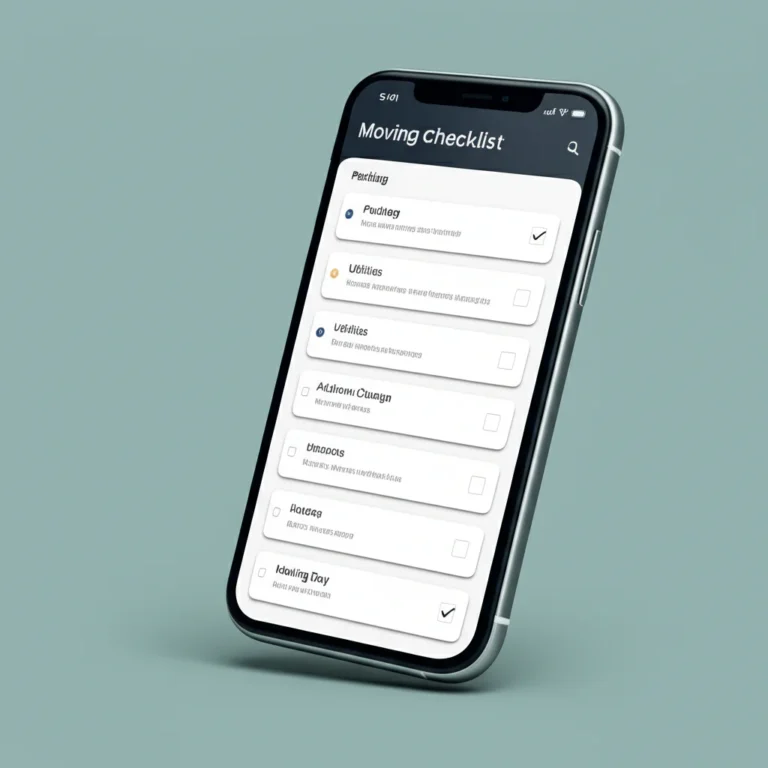
A checklist app like Moving Checklist helps you stay organized, track tasks, and ensure nothing is forgotten.
What tips help reduce stress during an international move?
Downsize, plan ahead, and stay connected with loved ones. Also, take breaks and don’t try to do everything at once.
How do I find reliable housing in a foreign country?
Use local real estate agents, expat forums, and short-term rentals to get a feel for the area before committing.
What documents do I need before moving abroad?
Passport, visa, birth certificate, marriage certificate, medical records, and financial documents.
How can I stay organized when moving to a new country?
Use a checklist app, create a timeline, and keep all documents in one place.
What are the essential steps in a moving abroad checklist?
Secure visa, audit finances, research housing, choose a mover, declutter, understand customs, arrange insurance, plan pet relocation, manage utilities, prepare car, pack essentials, and say goodbye.
What are some common mistakes to avoid when creating a moving abroad checklist and how can I prevent them?
Mistakes include not researching customs, underestimating costs, and not decluttering. Prevent them by doing thorough research and being realistic.
How do I handle the logistics of moving my belongings, including furniture and pets, abroad?
Hire a reputable international mover, create a detailed inventory, and follow customs regulations. For pets, follow the specific relocation guidelines.
What are the key differences between moving to a European country versus a non-European country?
Europe often has more streamlined visa processes and better public healthcare, while non-European countries may have different cultural norms and language barriers.
How can I stay organized and on track with my move abroad using a checklist app?
Use the app to track tasks, set reminders, and store important documents.
What are the most important things to consider when relocating to a new country?
Visa requirements, cost of living, healthcare, culture, and language.
How do I choose the right international moving company for my needs?
Get multiple quotes, check licenses, read reviews, and verify insurance coverage.
What are the essential documents to gather before moving abroad?
Passport, visa, birth certificate, marriage certificate, medical records, and financial documents.
📖 Reference Links and Sources
- USCIS
- Numbeo
- Suddath
- Allied Van Lines
- Cigna Global
- Allianz Care
- Airbnb
- Expat.com
- The COMPLETE Moving Abroad Checklist for Newbie Expats
🏁 Conclusion: Your New Life Awaits!

Moving abroad is a monumental task, but it’s also the adventure of a lifetime. With the right preparation, a solid checklist, and a positive mindset, you can navigate the challenges and embrace the opportunities that come with living in a new country.
Remember:
- Plan Ahead: Give yourself at least three months to prepare.
- Stay Organized: Use a checklist app to keep track of tasks.
- Be Flexible: Things won’t always go as planned, but that’s part of the adventure.
- Embrace the Change: The best part of moving abroad is the growth that comes from stepping out of your comfort zone.
So, what are you waiting for? Start your journey today and discover the world!
Final Thought: As we mentioned earlier, the biggest mistake is thinking you can wing it. But with the right tools and mindset, you’re not just moving; you’re transforming your life.
Ready to start? Download the Moving Checklist app and take the first step towards your new adventure!