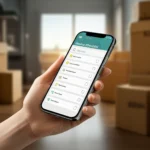
Support our educational content for free when you purchase through links on our site. Learn more
How to Plan a Relocation: 25 Expert Tips for a Smooth Move 🚚 (2026)

If you want to master how to plan a relocation without losing your mind, the secret is simple: start early, stay organized, and use smart tools like a moving binder and color-coded labels. From packing your “Open Me First” box to choosing the right movers, every step matters—and we’ve got the insider scoop to make it painless.
Did you know that the average American moves 11.7 times in their life? That’s a lot of packing, unpacking, and stress! But with the right plan, you can turn this chaotic process into a well-orchestrated adventure. We’ve helped thousands of movers dodge common pitfalls and keep their sanity intact, and now it’s your turn.
Imagine arriving at your new home with everything in place, no frantic last-minute searches, and a clear timeline guiding you every step of the way. Sounds like a dream? Stick with us, and you’ll learn exactly how to make it your reality.
Key Takeaways
- Start your move early to avoid last-minute chaos and stress.
- Create a detailed moving binder to keep all documents and checklists in one place.
- Label boxes clearly with color codes and numbers for easy unpacking.
- Pack an “Open Me First” box with essentials for your first day.
- Declutter ruthlessly before packing to save time and money.
- Choose your moving company wisely by checking licenses, reviews, and red flags.
- Use technology like the Moving Checklist™ app to track your progress and deadlines.
- Plan for pets and kids to keep the whole family calm and happy during the move.
Table of Contents
- ⚡️ Quick Tips and Facts for Planning Your Relocation
- 🏡 The Evolution of Moving: A Brief History of Relocation Planning
- 🗂️ Master Your Move: How to Create the Ultimate Moving Binder
- 🎒 Packing Prep 101: Building Your Essential Moving Kit
- 📦 Start Early, Stress Less: When and How to Begin Packing for Your Move
- 📝 The Art of Labeling: Crafting a Moving Box Index That Works
- 📏 The 85% Packing Rule: Maximize Space Without the Hassle
- 🚪 The “Open Me First” Box: What to Pack and Why It’s a Lifesaver
- 🧺 Clever Containers: Using Baskets, Bins, and Plastic Laundry Baskets for Packing
- 💪 Tough and Tidy: Why Purchasing Durable Storage Tubs Makes a Difference
- 🖼️ Wall Art and Mirrors: How to Stack and Group Large Items Safely
- 🌈 Color Your Move: Using Bright Labels to Speed Up Unpacking
- 🔝 Label Tops and Sides: The Pro Trick for Easy Box Identification
- 👶 Bonus Tips for Families: Moving with Kids and Keeping Sanity Intact
- 📅 How to Build a Realistic Moving Timeline That You’ll Actually Follow
- 🔍 Choosing the Right Moving Company: Insider Tips and Red Flags to Watch
- 💡 Budgeting Your Move: Smart Money Moves to Avoid Surprises
- 📋 Decluttering Before You Move: What to Keep, Sell, Donate, or Toss
- 🚚 DIY vs. Professional Movers: Which Route Should You Take?
- 📱 Tech Tools to Simplify Your Move: Apps, Checklists, and More
- 🌍 Moving Long Distance? Here’s What You Need to Know
- 🐾 Moving with Pets: Tips to Keep Your Furry Friends Calm and Safe
- 🛠️ Setting Up Your New Home: Essentials to Do Before and After Moving In
- 🧹 Cleaning Hacks: How to Leave Your Old Place Spotless
- 📞 Change of Address and Utilities: Don’t Forget These Crucial Steps
- 🎉 Moving Day Survival Guide: What to Expect and How to Stay Sane
- 🧠 Mindset Matters: How to Stay Positive and Motivated During Your Move
- 🏁 Conclusion: Wrapping Up Your Relocation Planning Like a Pro
- 🔗 Recommended Links for Moving Resources and Tools
- ❓ Frequently Asked Questions About Planning a Relocation
- 📚 Reference Links and Further Reading
Quick Tips and Facts for Planning Your Relocation
Planning a relocation can feel like juggling flaming torches while riding a unicycle—exciting but nerve-wracking! At Moving Checklist™, we’ve been through the chaos and emerged victorious, so here’s a quick cheat sheet to get you started:
- Start Early: Begin packing non-essentials weeks ahead. The last-minute scramble? Avoid it like a pothole on moving day.
- Create a Moving Binder: Keep all your documents, receipts, and checklists in one place. Trust us, it’s a sanity saver.
- Label Everything: Boxes, bins, tubs—label tops and sides with contents and destination rooms.
- Pack an “Open Me First” Box: Essentials like toiletries, snacks, chargers, and a change of clothes.
- Use Durable Containers: Plastic tubs beat cardboard for sturdiness and reusability.
- Color-Code Labels: Assign a color per room to speed up unloading.
- Declutter Ruthlessly: Less stuff means less stress and lower moving costs.
- Keep a Donation Box Handy: Toss or donate as you pack.
- Don’t Forget Your Pets: Prepare a pet travel kit and plan their comfort.
- Use Tech Tools: Apps like Moving Checklist™ keep your timeline and tasks organized.
For a deeper dive, check out our What are the first steps to relocating? article for a solid foundation.
The Evolution of Moving: A Brief History of Relocation Planning

Moving isn’t new—humans have been relocating since the dawn of time, but the way we plan has evolved dramatically. From horse-drawn wagons to container trucks, and from handwritten lists to digital apps, relocation planning has become an art form.
From Chaos to Checklist
Back in the day, moving was a community event—neighbors helped pack and transport belongings. Fast forward to the 21st century, and we rely on detailed checklists, apps, and professional movers to orchestrate the symphony of relocation.
The Rise of Digital Tools
Apps like Moving Checklist™ and Trello boards (more on that later) have revolutionized how we organize moves. No more lost sticky notes or forgotten tasks!
Why History Matters
Understanding how moving has changed helps us appreciate the tools and strategies we have now. It also reminds us that no matter how advanced, a move will always have a bit of chaos—and that’s okay!
Master Your Move: How to Create the Ultimate Moving Binder
If you think a binder is just for school, think again! The Moving Binder is your command center, your mission control, your moving day best friend.
What Goes Inside?
- Moving Timeline: Key dates and deadlines.
- Contact List: Movers, utility companies, real estate agents.
- Inventory Sheets: Track what’s packed and where.
- Receipts & Contracts: For moving services and purchases.
- Important Documents: Lease agreements, medical records, school info.
Why a Disc-Bound System?
We love the disc-bound system (like the Arc Notebook) because pages can be added or removed without tearing. It’s flexible and durable—perfect for the moving chaos.
Pro Tip: Use Printable Labels and Legends
Print color-coded room labels and a “Moving Legend” to keep your binder and boxes in sync. Avery 8163 shipping labels work great for this.
Packing Prep 101: Building Your Essential Moving Kit
Packing supplies can make or break your moving experience. Here’s what our Moving Checklist™ pros pack in their kits:
- Sharpies & Pens: For labeling boxes.
- Packing Tape & Dispenser: Quality tape that sticks but doesn’t tear your patience.
- Box Cutter or Scissors: For quick box opening.
- Bubble Wrap & Packing Paper: Fragile item protection.
- Stretch Wrap: Secures furniture and odd-shaped items.
- Gloves: Protect your hands during heavy lifting.
- Trash Bags & Donation Box: For decluttering on the fly.
Portable Packing Kit
Keep your kit in a tote or caddy so it’s always at hand. We swear by the IRIS USA Portable Tool Tote for its compartments and durability.
Start Early, Stress Less: When and How to Begin Packing for Your Move
Procrastination is the enemy of a smooth move. Start packing as soon as you can!
Step-by-Step Packing Timeline
| Time Before Move | What to Pack |
|---|---|
| 6-8 Weeks | Out-of-season clothes, books, decor |
| 4-6 Weeks | Kitchen items not used daily, extra linens |
| 2-4 Weeks | Non-essential electronics, seldom-used items |
| 1-2 Weeks | Essentials, daily use items, toiletries |
| Moving Week | “Open Me First” box, valuables, essentials |
Why Early Packing Helps
- Reduces last-minute panic.
- Allows time to declutter.
- Gives you a chance to test packing materials.
The Art of Labeling: Crafting a Moving Box Index That Works
Labeling isn’t just scribling on a box—it’s an organizational masterpiece.
Create a Master Box Index
Assign each box a unique number and record its contents in a master index sheet inside your Moving Binder or app. This way, you can find anything without opening every box.
Label Tops and Sides
Movers stack boxes, so labels on all visible sides save time and headaches.
Use Bright Colors
Color-code by room (e.g., blue for kitchen, red for bedroom) to speed up unloading.
The 85% Packing Rule: Maximize Space Without the Hassle
Here’s a secret from the Moving Checklist™ pros: aim for 85% packed perfection.
What Does That Mean?
Don’t stress about packing every single item perfectly. Having 85% of your boxes indexed and packed well is better than 100% chaos.
Why It Works
- Gives you breathing room.
- Allows flexibility for last-minute essentials.
- Prevents burnout.
The “Open Me First” Box: What to Pack and Why It’s a Lifesaver
Imagine arriving at your new home and having to hunt for your toothbrush or coffee maker. Nightmare, right?
Essentials to Include
- Toiletries & towels
- Basic kitchenware (coffee mug, utensils)
- Chargers & electronics
- A change of clothes
- Important documents
- Snacks & water
Pack 2-3 of these boxes to cover your first night and day.
Clever Containers: Using Baskets, Bins, and Plastic Laundry Baskets for Packing
Not all containers are created equal. Here’s how to pack smart:
Why Use Baskets & Bins?
- Great for heavy items like books or shoes.
- Handles make carrying easier.
- Prevent overfilling and crushing.
Plastic Laundry Baskets
Perfect for bulky or awkward items like houseplants or toys. Open tops prevent damage and make unpacking a breeze.
Durable Plastic Tubs
Reusable, stackable, and sturdy. Ideal for fragile or heavy items. No tape needed!
Tough and Tidy: Why Purchasing Durable Storage Tubs Makes a Difference
Cardboard boxes are classic but plastic tubs offer serious advantages.
| Feature | Cardboard Box | Plastic Tub |
|---|---|---|
| Durability | Moderate | High |
| Water Resistance | ❌ | ✅ |
| Reusability | Limited | Excellent |
| Stackability | Moderate | Excellent |
| Ease of Labeling | Easy | Easy |
Our Favorite Brands
- Sterilite: Lightweight and durable.
- IRIS USA: Clear tubs with secure lids.
- Rubermaid Roughneck: Heavy-duty for long-term storage.
👉 CHECK PRICE on:
Wall Art and Mirrors: How to Stack and Group Large Items Safely
Fragile wall items need special care.
Tips for Grouping
- Remove nails and hooks before packing.
- Stack picture frames and mirrors vertically with padding.
- Use blankets or bubble wrap between items.
- Label as “Fragile” and “This Side Up.”
Color Your Move: Using Bright Labels to Speed Up Unpacking
Color coding is like giving movers a treasure map.
How to Implement
- Assign a color per room.
- Use colored tape or labels on boxes.
- Match with your Moving Binder’s “Moving Legend.”
This simple trick saves hours on moving day.
Label Tops and Sides: The Pro Trick for Easy Box Identification
Labels on tops and sides mean no more flipping boxes or guessing contents.
- Use permanent markers or printed labels.
- Write large, clear text.
- Include box number and room color.
Bonus Tips for Families: Moving with Kids and Keeping Sanity Intact
Kids + moving = potential meltdown. Here’s how to keep the peace:
The Hidden Toy Trick
Buy 1–2 new toys a month or two before moving and hide them. Reveal them after arrival to keep kids entertained.
Create a Kid’s Moving Kit
Include snacks, favorite books, headphones, and comfort items.
Assign a “Kid Zone” Room
Set up a distraction-free space where kids can play safely while adults unpack.
How to Build a Realistic Moving Timeline That You’ll Actually Follow
A timeline is your roadmap to a smooth move.
Sample Timeline Breakdown
| Weeks Before Move | Tasks |
|---|---|
| 8+ | Research movers, declutter, budget |
| 6-8 | Book movers, start packing non-essentials |
| 4-6 | Notify utilities, change address |
| 2-4 | Pack most belongings, confirm moving day |
| 1 | Pack essentials, prepare “Open Me First” box |
| Moving Week | Final cleaning, moving day coordination |
Use apps like Moving Checklist™ to customize and track your timeline.
Chosing the Right Moving Company: Insider Tips and Red Flags to Watch
Picking movers can be daunting. Here’s how to avoid scams and get pros:
What to Look For
- Licensed and insured movers (check FMCSA)
- Positive reviews on Yelp, Google, and BBB
- Transparent pricing with no hidden fees
- Clear contract and inventory list
Red Flags 🚩
- Large upfront deposits
- No physical address or phone number
- Pressure to sign immediately
- Unusually low estimates
Budgeting Your Move: Smart Money Moves to Avoid Surprises
Moving costs can sneak up on you. Here’s how to stay on track:
Budget Categories
- Moving company fees
- Packing supplies
- Travel expenses
- Utility deposits
- Cleaning services
- Unexpected expenses
Tips
- Get multiple quotes.
- Keep a contingency fund (~10-15% of budget).
- Track expenses in a spreadsheet or app.
Decluttering Before You Move: What to Keep, Sell, Donate, or Toss
Less stuff = less stress and lower costs.
Decluttering Strategy
- Keep: Essentials, sentimental items.
- Sell: Furniture, electronics, collectibles.
- Donate: Clothes, toys, books.
- Toss: Broken or unusable items.
Tools to Help
- Garage sales
- Donation centers (Goodwill, Salvation Army)
- Online marketplaces (Facebook Marketplace, Craigslist)
DIY vs. Professional Movers: Which Route Should You Take?
The age-old question!
| Factor | DIY Move | Professional Movers |
|---|---|---|
| Cost | Lower upfront cost | Higher but includes labor |
| Physical Effort | High | Low |
| Time Commitment | High | Low |
| Risk of Damage | Higher | Lower |
| Stress Level | Higher | Lower |
Choose based on budget, time, and how much lifting you want to do.
Tech Tools to Simplify Your Move: Apps, Checklists, and More
Technology can be your best moving buddy.
Top Apps We Recommend
| App Name | Features | Platform |
|---|---|---|
| Moving Checklist™ | Custom checklists, reminders | iOS, Android, Web |
| Trello | Visual task boards, collaboration | iOS, Android, Web |
| Sortly | Inventory management with photos | iOS, Android, Web |
| TaskRabbit | Hire helpers for packing/moving | iOS, Android, Web |
Why Use Apps?
- Keep track of tasks and deadlines.
- Collaborate with family or movers.
- Inventory your belongings with photos.
Moving Long Distance? Here’s What You Need to Know
Long-distance moves add layers of complexity.
Key Considerations
- Plan for longer transit times.
- Confirm insurance coverage.
- Pack essentials for travel days.
- Research local services and utilities in advance.
For detailed tips, visit our Long Distance Moves category.
Moving with Pets: Tips to Keep Your Furry Friends Calm and Safe
Pets feel the stress too!
Pet Moving Checklist
- Visit the vet for health certificates.
- Prepare a pet travel kit (food, water, meds).
- Keep pets in a secure carrier during transit.
- Update microchip and tags with new address.
Setting Up Your New Home: Essentials to Do Before and After Moving In
Make your new place feel like home fast.
Before Moving In
- Clean thoroughly.
- Change locks.
- Set up utilities.
- Measure rooms for furniture.
After Moving In
- Unpack essentials first.
- Check smoke detectors and safety devices.
- Introduce yourself to neighbors.
Cleaning Hacks: How to Leave Your Old Place Spotless
A clean home means a happy landlord and deposit return.
Quick Cleaning Tips
- Use microfiber cloths for dusting.
- Clean appliances inside and out.
- Patch holes and touch up paint.
- Vacuum and mop floors.
Change of Address and Utilities: Don’t Forget These Crucial Steps
Avoid service interruptions and lost mail.
Checklist
- Notify USPS for mail forwarding.
- Update banks, subscriptions, and employers.
- Schedule utility shut-offs and startups.
- Inform schools and healthcare providers.
Moving Day Survival Guide: What to Expect and How to Stay Sane
Moving day is a marathon, not a sprint.
Survival Tips
- Have snacks and water on hand.
- Keep important documents and valuables with you.
- Dress comfortably and wear sturdy shoes.
- Communicate clearly with movers.
- Take breaks and breathe!
Mindset Matters: How to Stay Positive and Motivated During Your Move
Moving can be emotional rollercoaster.
Mental Hacks
- Focus on the exciting new chapter.
- Celebrate small wins (like finishing a room).
- Ask for help when overwhelmed.
- Practice gratitude for your new opportunity.
Featured Video: Practical Packing and Decluttering Tips
Our friends at MarocMama emphasize decluttering as the cornerstone of a smooth move. They recommend simple labeling, repurposing household items for packing, and avoiding black trash bags to prevent confusion. Their advice to pack a survival kit and start early echoes our own.
Check out their full insights in the featured video for a fresh perspective on stress-free packing.