Support our educational content for free when you purchase through links on our site. Learn more
What to Do 6 Weeks Before Moving: 9 Essential Steps 🗓️ (2026)

Moving day is looming, and if you’re wondering, “What do I need to do 6 weeks before moving?”, you’re in the right place. Six weeks might sound like plenty of time—or not nearly enough—but trust us, it’s the perfect window to get everything organized without losing your mind. From booking movers and decluttering like a pro to transferring utilities and packing strategically, this guide covers 9 essential steps that will turn your chaotic moving nightmare into a smooth, even enjoyable, experience.
Did you know that nearly 60% of moves in the U.S. happen between May and September? That means movers get booked fast, and last-minute planning can cost you big time. But don’t worry—we’ll show you how to beat the rush, avoid costly mistakes, and even keep your pets and plants happy during the transition. Plus, we’ll share insider tips from our Moving Checklist™ experts and reveal how a simple checklist app can be your secret weapon. Ready to start your countdown?
Key Takeaways
- Book your moving company or rental trucks early to secure your preferred dates and avoid last-minute stress.
- Declutter and downsize now—don’t pay to move things you don’t need or love.
- Notify and transfer utilities and services to ensure a seamless transition without interruptions.
- Start packing non-essential items early and create an inventory to stay organized.
- Prepare important documents and a “go bag” with essentials for moving day.
- Plan for special considerations like pets, plants, and valuables to keep everyone safe and sound.
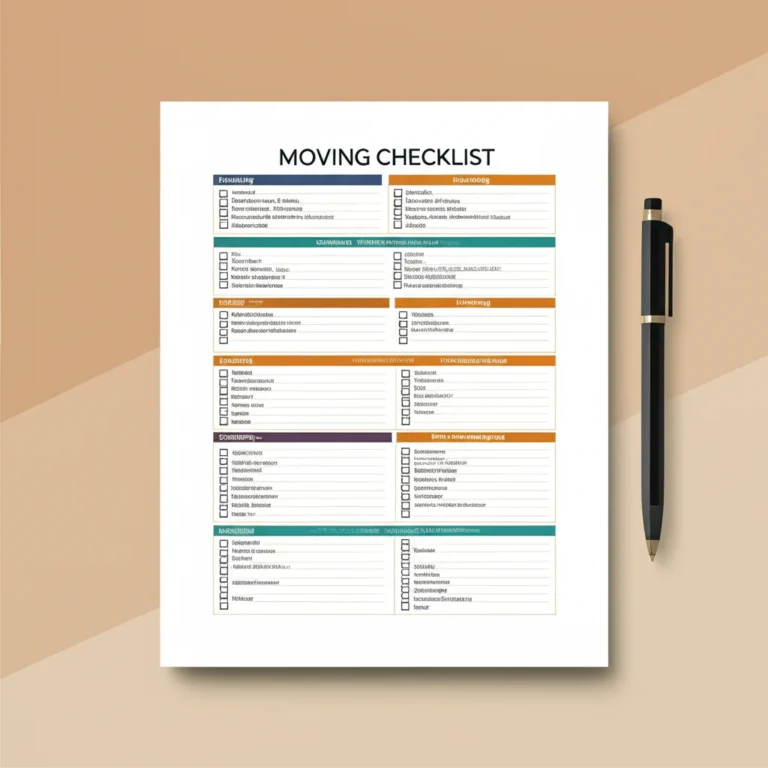
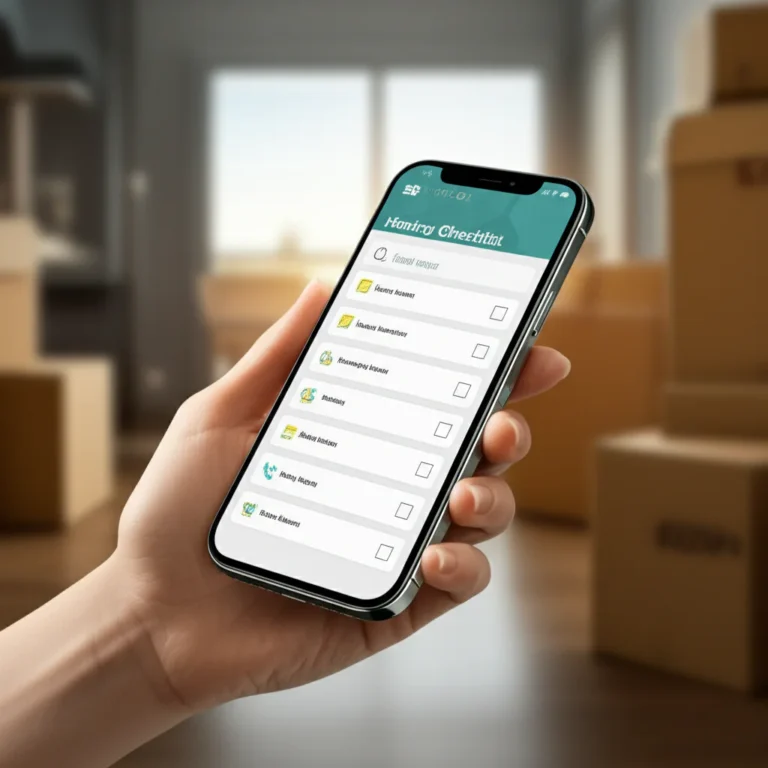
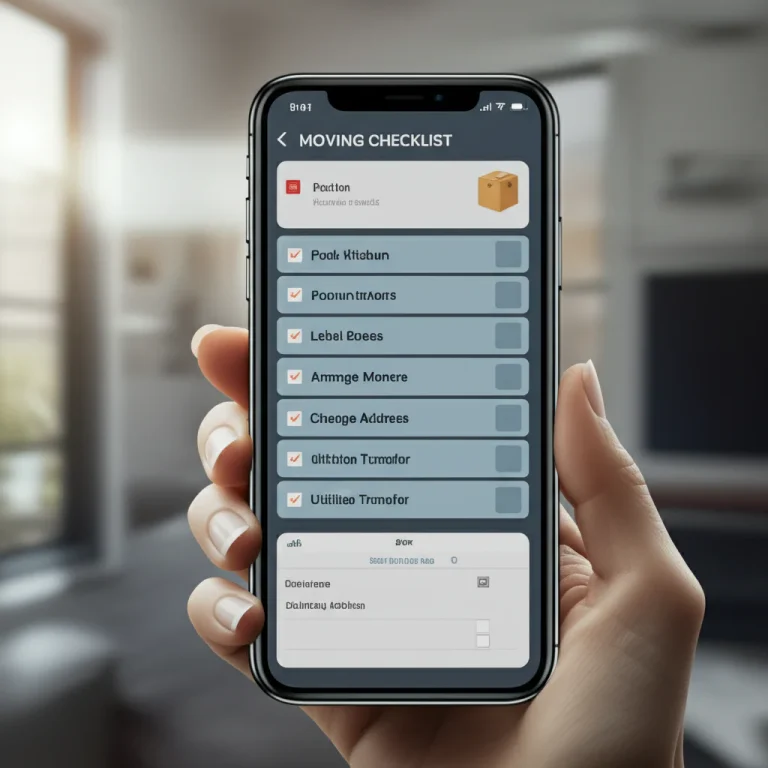
- Use a moving checklist app like Moving Checklist™ to track tasks and deadlines effortlessly.
Stick around for our detailed breakdown of each step, plus pro tips and recommended resources to make your move as hassle-free as possible!
Table of Contents
- ⚡️ Quick Tips and Facts
- 🕰️ The Moving Timeline Unpacked: Why 6 Weeks is Your Sweet Spot
- 1. 🚚 Deciding Your Moving Strategy: DIY, Hybrid, or Full-Service?
- 2. 📦 Decluttering & Downsizing: The 6-Week Purge
- 3. 🗓️ Booking & Logistics: Securing Your Moving Day
- 4. 💡 Utilities & Services: The Great Transfer
- 5. 📄 Important Documents & Records: Your Moving Command Center
- 6. 💰 Financial Planning for Your Move: Budgeting Like a Boss
- 7. 🎒 Packing Preparations: The Early Bird Gets the Worm
- 8. 🐾 Special Considerations: Pets, Plants, & Valuables
- 9. 🏡 Preparing Your New Home: Setting the Stage
- Conclusion: Six Weeks Down, Smooth Move Ahead!
- 🔗 Essential Moving Resources & Tools
- ❓ Your Top Moving Questions Answered: FAQs
- 📚 Reference Links
Alright, let’s get this show on the road! You’re six weeks out from the big day, and you’re probably feeling a delightful cocktail of excitement and sheer, unadulterated panic. Don’t you worry. We’re the pros at Moving Checklist™, and we’ve seen it all. Six weeks is the perfect amount of time to get everything done without pulling your hair out. Think of us as your moving sherpas, guiding you up the mountain of boxes to the glorious summit of your new home. Let’s dive in, shall we?
⚡️ Quick Tips and Facts
Feeling overwhelmed? Here’s the lowdown, quick and dirty:
- The 6-Week Rule: This is your golden window. Most reputable movers prefer at least six weeks’ notice to plan your move properly.
- Declutter NOW: Don’t pay to move stuff you don’t want. Every pound costs money. Start the purge immediately.
- Budget, Budget, Budget: Moving expenses can sneak up on you. Create a realistic budget now to avoid surprises later.
- Book Early: The best moving companies get booked up, especially during peak season (spring and summer).
- Insurance Isn’t Automatic: Your mover’s basic liability is minimal. We’re talking cents on the pound. You’ll need to select and likely pay for better coverage.
- Label Like a Librarian: Clearly label boxes with the destination room and a general list of contents. Your future self will thank you.
🕰️ The Moving Timeline Unpacked: Why 6 Weeks is Your Sweet Spot
You might be thinking, “Six weeks? Can’t I just throw everything in a bag the night before?” Sure, if you enjoy chaos, lost possessions, and crying into a box of half-packed mugs. Here at Moving Checklist™, we live by the timeline, and our Move Hassle-Free with Checklist App is built around it.
A six-week timeline transforms a frantic scramble into a manageable, step-by-step process. It gives you breathing room to handle the inevitable hiccups—like discovering your heirloom armoire won’t fit through the new doorway. (Yes, we’ve seen it happen. Measure twice, move once!) This period allows you to thoughtfully declutter, research and book the right services without being rushed, and handle all the administrative stuff that comes with changing your address. Trust us, it’s the secret sauce to a smooth transition.
1. 🚚 Deciding Your Moving Strategy: DIY, Hybrid, or Full-Service?
First things first: how are you actually going to get your stuff from Point A to Point B? You’ve got three main flavors of moving.
Pros and Cons: Weighing Your Options
| Moving Method | Who It’s For | ✅ Pros | ❌ Cons |
|---|---|---|---|
| DIY (Do-It-Yourself) | The budget-conscious, the brave, those with strong-backed friends. | Total control, lowest potential cost. | Physically demanding, time-consuming, high potential for stress. |
| Hybrid Move | Those who want to save money but hate heavy lifting. | You pack, they drive. Good cost/convenience balance. | Still requires significant packing effort, coordination needed. |
| Full-Service Move | Those with more money than time, complex moves, or a deep aversion to packing tape. | They do everything: pack, load, transport, unload. Minimal stress for you. | Highest cost, less control over packing details. |
Brands like U-Haul and Penske are kings of the DIY world. For hybrid moves, consider container services like PODS or U-Pack. Full-service moves are handled by professional van lines.
Finding Reputable Movers: Our Top Tips
If you’re leaning towards hiring pros, now is the time to research and get estimates. Don’t just Google “movers near me” and pick the first one.
- Get at least three in-home estimates. This is crucial. An estimate over the phone is just a guess. A true professional will want to see your stuff to give an accurate quote.
- Check for licenses and insurance. Interstate movers must be registered with the U.S. Department of Transportation and have a USDOT number. You can verify this on the Federal Motor Carrier Safety Administration (FMCSA) website.
- Read recent reviews. Check Google, Yelp, and the Better Business Bureau. Look for patterns in complaints and how the company responds.
- Ask about their process. A good mover will walk you through their services, liability options, and what to expect on moving day.
2. 📦 Decluttering & Downsizing: The 6-Week Purge
Welcome to the most cathartic part of moving! Why pay to move a broken toaster or that sweater you haven’t worn since 2012? You’re starting a new chapter; don’t bring your old clutter with you. As one expert from The Spruce puts it, “Let go of anything which hasn’t been used in a year.”
The “Keep, Donate, Sell, Toss” Method
This is our go-to strategy for tackling the clutter beast. Grab four boxes or designate four corners of a room and get sorting.
- Keep: Items you love, need, and will actually use in your new home.
- Donate: Gently used items that can have a second life.
- Sell: Things with value that you’re willing to part with for some cash.
- Toss/Recycle: Broken, expired, or unusable items.
As the first video on this page wisely advises, keep a donation box and a trash bag with you at all times as you pack. [cite: #featured-video] This makes it a continuous process, not a separate, daunting task. For more tips on this, check out our Home Organization section.
Where to Donate & Sell Your Unwanted Treasures
- Donate: Goodwill and The Salvation Army are classic choices for household goods and clothing. Many local charities also offer pickup services for larger items.
- Sell: Facebook Marketplace, OfferUp, and Craigslist are great for selling furniture and local items. For clothing and accessories, try Poshmark or ThredUP.
- Give Away: Local “Buy Nothing” groups on Facebook are fantastic for finding a new home for items you don’t want to sell.
3. 🗓️ Booking & Logistics: Securing Your Moving Day
Once you’ve chosen your moving strategy and picked a company, it’s time to make it official.
Getting Quotes & Comparing Services
You’ve done your research, now it’s time to choose. When you review your moving quotes, don’t just look at the bottom line. Compare the services included, the insurance levels offered, and the company’s overall professionalism. A slightly higher quote from a company with stellar reviews and comprehensive service might be worth it.
Understanding Moving Insurance & Liability
This is HUGE, and so often misunderstood. By federal law, interstate movers must offer two liability options:
- Released Value Protection: This is the free, default option. It provides minimal protection, covering your goods at 60 cents per pound per item. So if your 10-pound, $1,000 laptop gets crushed, you’ll get a whopping $6.00 back. ✅ It’s free. ❌ It’s basically worthless for anything valuable.
- Full Value Protection: This is the one you want. The mover is liable for the replacement value of any lost or damaged item. It costs extra, but it provides real peace of mind. ✅ Your stuff is actually covered. ❌ It costs more.
You can also purchase separate moving insurance from a third-party provider, which can offer even more comprehensive coverage. Check your homeowner’s or renter’s policy as well; some offer limited coverage during a move.
Reserving Rental Trucks or Storage Units
If you’re going the DIY or Hybrid route, book your rental truck or storage container now. Popular companies like U-Haul or Budget Truck Rental can run out of vehicles, especially on weekends or at the end of the month. The same goes for storage units at places like Public Storage or Extra Space Storage.
4. 💡 Utilities & Services: The Great Transfer
Nothing says “welcome home” like flipping a switch and having no lights. Avoid that sad scenario by scheduling your utility transfers about three to four weeks in advance.
Notifying Current Providers
Create a list of all your current utility and service providers. For each one, schedule a service disconnection date. It’s wise to set this for the day after you move out to avoid any last-minute issues.
Setting Up New Services
Contact the utility companies that service your new address. You may need to provide a lease or closing documents to prove residency. Schedule the activation for the day before you move in. This gives you a buffer in case there are any glitches.
Internet, Cable, & Home Security
Don’t forget these modern essentials! Companies like Comcast Xfinity, AT&T, and Verizon often need a week or more to schedule a technician. Book this appointment as soon as you have your move-in date. The same goes for security system providers like ADT or Ring.
5. 📄 Important Documents & Records: Your Moving Command Center
In the whirlwind of packing, it’s easy to lose track of critical paperwork. Designate a “moving binder” or a digital folder to keep everything in one place.
Gathering & Organizing Vital Papers
Collect these documents and keep them with you personally—do not pack them in the moving truck.
- Passports, birth certificates, social security cards
- Moving company contracts and estimates
- New lease or closing documents
- Financial and insurance records
- Vehicle titles
Medical & School Records
If you’re moving to a new city or state, arrange for the transfer of medical records for all family members from your current doctors, dentists, and veterinarians. Notify your children’s school of the move and request copies of their transcripts to take to the new school district.
Creating a “Go Bag” for Essentials
One of our favorite pro tips is to pack an “essentials” box or bag that travels with you in your car. This is your first-night survival kit. It should include:
- Medications
- Phone chargers
- Toilet paper and hand soap
- A change of clothes and basic toiletries
- Snacks and water bottles
- A toolkit with a box cutter, screwdriver, and hammer
- Important documents (from your moving binder)
6. 💰 Financial Planning for Your Move: Budgeting Like a Boss
Moving can be expensive, but with a little planning, you can keep costs in check.
Estimating Moving Costs
Your moving budget should account for more than just the movers. Factor in:
- Moving company fees or truck rental costs
- Packing supplies
- Moving insurance
- Utility connection fees or deposits
- Costs for cleaning your old place or prepping the new one
- Food and travel expenses during the move
Setting Aside an Emergency Fund
We always recommend having a moving contingency fund. What if the movers take longer than expected? What if you need to buy a new shower curtain and towels on day one? Having a little extra cash set aside can be a lifesaver. Also, remember to keep records of all move-related expenses, as some may be tax-deductible if you’re relocating for a new job.
7. 🎒 Packing Preparations: The Early Bird Gets the Worm
Yes, it’s time to start packing! Don’t panic. The key is to start early and be strategic. This is a perfect time to apply some of the genius hacks from the featured video in this article.
Gathering Packing Supplies
You’ll need more than you think. Start collecting supplies now.
- Boxes: Sturdy boxes in various sizes are key.
- Tape: High-quality packing tape is non-negotiable.
- Cushioning: Use packing paper, bubble wrap, or save money by using your own towels, blankets, and clothing.
- Markers: For labeling, of course!
👉 Shop Packing Supplies on:
Starting with Non-Essentials
Begin by packing items you won’t need in the next six weeks. This includes:
- Off-season clothing and holiday decorations [cite: #featured-video]
- Books, photo albums, and artwork
- Guest room linens
- Fine china and special occasion kitchenware
This is a core principle of our Moving Day Checklist. Packing a little bit each day makes the task far less overwhelming.
Creating an Inventory System
For a super-organized move, create a simple inventory. Number each box and keep a corresponding list (in a notebook or spreadsheet) of the general contents. This is invaluable if a box goes missing and is essential for any potential insurance claims.
8. 🐾 Special Considerations: Pets, Plants, & Valuables
Some things need a little extra TLC during a move.
Moving with Pets: A Tail of Two Homes
Moving is stressful for pets. Six weeks out is the perfect time to plan for their comfort and safety.
- Vet Visit: Schedule a check-up, get copies of their records, and refill any necessary medications.
- Update ID: Order new ID tags with your new address and update their microchip information.
- Plan for Moving Day: Arrange for a pet-sitter or to board them for the day to keep them safe and out of the chaos.
- Travel Prep: If it’s a Long Distance Move, research pet-friendly hotels and get your pet accustomed to their travel carrier.
Transporting Plants & Perishables
Most moving companies will not move live plants, especially on long-distance moves. You’ll likely need to transport them in your own vehicle. As for food, the goal is to eat it! Start planning meals to use up everything in your pantry, fridge, and freezer.
Securing High-Value Items
Jewelry, important documents, and irreplaceable heirlooms should always be moved by you personally. Don’t pack them in the moving truck. Consider getting a recent appraisal for valuable items in case you need to make an insurance claim.
9. 🏡 Preparing Your New Home: Setting the Stage
While you’re busy packing up the old place, don’t forget to prep the new one!
Measuring & Planning Layouts
If possible, get the floor plan and room measurements for your new home. This will help you decide where furniture will go and identify any pieces that might not fit. There’s nothing worse than movers holding your giant sofa while you frantically try to figure out where it can go.
Deep Cleaning & Minor Repairs (If Applicable)
If you can get access to your new home before moving day, it’s the perfect time for a deep clean. It’s so much easier to clean an empty house! This is also a good time to handle any minor repairs or painting you want to do before your furniture arrives.
Changing Locks & Security Checks
For your safety and peace of mind, schedule a locksmith to change the locks on your new home on move-in day. You never know who might have a spare key from the previous owners. Check the batteries in smoke detectors and carbon monoxide detectors as well.
Conclusion: Six Weeks Down, Smooth Move Ahead!
Congratulations, you’ve just unlocked the secret to a stress-free move: starting six weeks ahead with a solid plan! From deciding your moving strategy to booking movers, decluttering like a pro, and setting up utilities, you’re now equipped with the know-how to glide through this transition like a seasoned moving ninja. Remember, moving isn’t just about hauling boxes—it’s about creating a fresh start, and preparation is your best friend.
If you’re wondering whether to DIY or hire pros, our advice is to weigh your budget, time, and energy carefully. DIY moves can save money but demand muscle and patience. Full-service movers offer peace of mind but come at a premium. Hybrid options like PODS or U-Pack strike a balance, especially if you want to pack yourself but avoid the driving.
The biggest takeaway? Don’t wait! Six weeks is the sweet spot to avoid last-minute chaos, hidden costs, and lost belongings. Use a checklist app like our Move Hassle-Free with Checklist App to keep everything on track and your sanity intact.
Still curious about how to tackle packing or what to do with your plants and pets? We’ve got you covered in the sections above. Now, go forth and conquer your move with confidence!
Recommended Links
👉 CHECK PRICE on:
-
U-Haul Truck Rental:
U-Haul Official Website -
PODS Moving Containers:
PODS Official Website -
ADT Home Security:
ADT Official Website
Recommended Books on Moving and Organization:
- The Life-Changing Magic of Tidying Up by Marie Kondo — Amazon Link
- Moving for Dummies by Ralph Warner — Amazon Link
- Organizing Solutions for Moving by Lisa Montanaro — Amazon Link
❓ Your Top Moving Questions Answered: FAQs
What are the best tips for planning a move 6 weeks ahead?
Start by booking your movers or rental trucks early to secure your preferred dates. Begin decluttering to reduce what you have to move. Set up a budget including all potential expenses. Notify your utility providers and start gathering packing supplies. Use a checklist app to track progress daily. This proactive approach prevents last-minute stress and costly surprises.
How can a checklist app help with my move 6 weeks in advance?
A checklist app like Moving Checklist™ helps you organize tasks by priority and deadline, sends reminders, and allows you to track progress in real-time. It also stores important documents and contacts, making it your digital moving command center. This keeps you accountable and reduces the risk of forgetting critical steps.
What should I do to organize my belongings 6 weeks before moving?
Use the Keep, Donate, Sell, Toss method to sort your items. Start packing non-essential items first, labeling boxes clearly by room and content. Create an inventory list to track your belongings. Store important documents and valuables separately in a “go bag.” This systematic approach saves time and reduces clutter.
How do I notify utility companies 6 weeks before moving?
Make a list of all your current utilities (electricity, water, gas, internet, cable, security systems). Contact each provider to schedule disconnection dates for the day after your move-out. Simultaneously, arrange for activation at your new address the day before you move in. This ensures uninterrupted service and avoids double billing.
When should I start packing before my move?
Start packing non-essential items 6 weeks before your move. This includes seasonal clothes, books, décor, and rarely used kitchenware. Leave daily essentials for last. This staged packing reduces overwhelm and allows for better organization.
What important tasks should I complete 6 weeks before moving?
Finalize your moving company and insurance coverage, apply for any necessary permits, schedule utility transfers, begin decluttering and packing non-essentials, and organize important documents. Also, plan for special considerations like pets and plants.
How can I create a moving checklist 6 weeks before my move?
Break down your tasks week-by-week, starting with booking movers and decluttering, then packing and notifying services. Use a digital checklist app for reminders and progress tracking. Include categories like packing, logistics, utilities, and personal tasks.
Can I use a moving app to help me stay on track with my 6-week moving checklist?
Absolutely! Apps like Moving Checklist™ offer customizable timelines, task reminders, and inventory management. They help reduce stress by keeping everything in one place and providing expert tips along the way.
What are the essential items to purchase or replace when moving into a new home?
Consider replacing or purchasing new smoke detector batteries, door locks, shower curtains, and basic cleaning supplies. Also, stock up on packing supplies early, including boxes, tape, and cushioning materials.
What are the best ways to pack and declutter my belongings 6 weeks before moving day?
Start by sorting items into categories (keep, donate, sell, toss). Pack non-essentials first, using sturdy boxes and proper cushioning. Label boxes by room and content. Create an inventory list. Donate or sell unwanted items promptly to avoid last-minute clutter.
How do I create a moving checklist to stay organized 6 weeks prior to my move?
Use a digital or paper checklist broken down by week and category. Prioritize booking movers, decluttering, packing, and utility transfers. Regularly update and check off completed tasks. Apps like Moving Checklist™ simplify this process.
What are the most important tasks to complete before moving into a new home?
Schedule utility activation, change locks, deep clean, and perform minor repairs before move-in. Arrange for internet and security system installation. Plan furniture placement using floor plans. Prepare an essentials “go bag” for your first night.
Can you move a house in 6 weeks?
Yes, but it requires intense planning and coordination. Six weeks is enough time for most moves if you start early, book services promptly, and stay organized. Larger or long-distance moves may need more lead time.
How far in advance should you start packing to move?
Start packing non-essential items 6 weeks before and essentials closer to the move date. This staged approach reduces stress and helps maintain daily routines.
What should I do 6 weeks before moving house?
Book your movers or rental trucks, start decluttering, notify utility companies, gather packing supplies, and organize important documents. Begin packing non-essential items and plan logistics for moving day.
How soon before a move should you begin making plans?
Ideally, start planning 8 to 12 weeks before your move. However, if you’re at the 6-week mark, it’s still very much possible to execute a smooth move with focused effort and a solid checklist.
Reference Links
- Federal Motor Carrier Safety Administration (FMCSA) — Verify Movers
- Goodwill — Donation Centers
- Salvation Army — Donation Info
- Better Business Bureau — Mover Reviews
- U-Haul — Official Website
- PODS — Official Website
- ADT Home Security — Official Website
- The Ultimate Moving Out Checklist and Timeline for the Smoothest Transition | Angi — Read More
- Moving Checklist™ — Our App
- The Spruce — Decluttering Tips
Ready to take control of your move? Bookmark this guide, download a moving checklist app, and start your six-week countdown today! 🚛📦🏡