Support our educational content for free when you purchase through links on our site. Learn more
The Ultimate 12-Step Packing List for Moving Out of State (2025) 🚚

Moving out of state is like embarking on a grand adventure — exciting, nerve-wracking, and full of surprises. But before you dive headfirst into packing chaos, imagine having a foolproof, room-by-room packing list that not only keeps you organized but also saves you time, money, and stress. That’s exactly what we’ve crafted here at Moving Checklist™: a comprehensive 12-step packing guide tailored specifically for out-of-state moves.
Did you know that nearly 40 million Americans move each year, and a significant chunk of those are interstate relocations? Yet, many underestimate the complexity of packing for such a move, leading to last-minute scrambles and broken valuables. Stick with us, and you’ll discover insider tips on everything from choosing the right packing supplies to creating your “Open First” box — the secret weapon for surviving your first night in a new home. Ready to pack like a pro and make your move hassle-free? Let’s get started!
Key Takeaways
- Plan early and pack strategically using our detailed 12-step packing list designed for out-of-state moves.
- Label boxes clearly and create an “Open First” essentials box to ease your first day in the new home.
- Choose the right packing supplies — sturdy boxes, bubble wrap, and quality tape — to protect your belongings.
- Research and hire reputable movers or consider cost-effective alternatives like moving containers.
- Prepare important documents and valuables to travel with you, not in the moving truck.
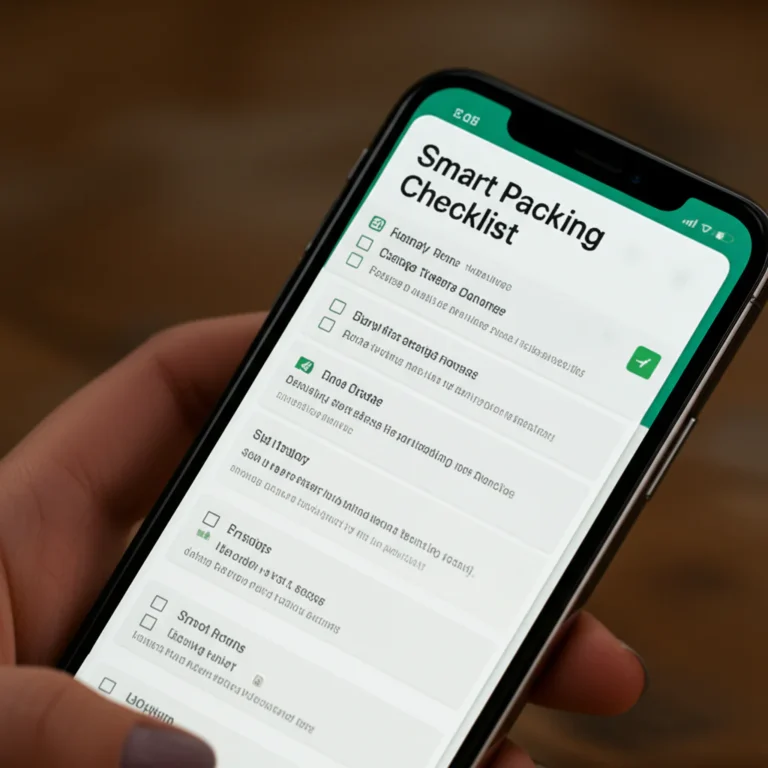
- Use a moving checklist app like Moving Checklist™ to stay organized and on schedule.
🛒 👉 Shop Moving Essentials:
Ready to pack smarter, not harder? Keep scrolling for the full expert guide!
Table of Contents
- ⚡️ Quick Tips and Facts
- 📜 The Great Migration: Why Out-of-State Moves Are a Big Deal
- Phase 1: The Grand Planning Expedition 🗺️
- Scouting Your New Horizon: Pre-Move Reconnaissance
- 💰 The Moving Money Maze: Budgeting for Your Out-of-State Relocation
- 🗄️ The Ultimate Moving Command Center: Your Essential File
- 🏡 Nesting New: Securing Your Out-of-State Abode
- 🚚 Choosing Your Chariot: Selecting a Reputable Moving Company
- 🗓️ D-Day Decisions: Picking Your Perfect Moving Date
- 📦 Supply Chain Success: Gathering Your Packing Essentials
- Phase 2: The Packing & Pre-Move Prep Blitz 🧠
- The Art of the Pack: Crafting Your Out-of-State Packing Strategy
- 1. Kitchen Chaos: What to Pack (and Not) for Your Culinary Corner
- 2. Bedroom Bliss: Packing for Sweet Dreams in Your New Home
- 3. Bathroom Bonanza: Essential Toiletries & Linens
- 4. Living Room Legends: Furniture, Electronics & Decor
- 5. Home Office Havoc: Documents, Tech & Supplies
- 6. Garage & Outdoor Gear: Tools, Sports & Seasonal Items
- 7. Kids’ Kingdom: Toys, Books & Cherished Items
- 8. Pet Palace: Supplies for Your Furry Friends
- 9. Fragile Finesse: Protecting Your Precious Breakables
- 10. Valuables Vault: Keeping Your Irreplaceables Safe
- 11. Hazardous Hues: What NOT to Pack (Seriously!)
- 12. The “Open First” Box: Your Survival Kit for Day One
- ✈️ On the Road Again: Travel Logistics for Your Big Move
- 🚫 Untangling Ties: Cancelling & Transferring Memberships
- 💼 Professional Puzzles: Transferring Licenses Across State Lines
- 📚 School’s In: Transferring Records and Notifying Institutions
- 👨👩👧👦 Family Matters: Navigating Child Custody & Support Laws
- 🚗 Wheels on the Move: Shipping Your Vehicle Out-of-State
- 📦 Storage Unit Showdown: Clearing Out Your Off-Site Stash
- 🗣️ Little Movers, Big Feelings: Talking to Kids About the Relocation
- 📏 Floorplan Fun: Planning Furniture Layout in Your New Digs
- The Art of the Pack: Crafting Your Out-of-State Packing Strategy
- Phase 3: Moving Day & Settling In 🏡
- 📞 Double-Checking Details: Confirming with Your Movers
- 💡 Power Up! Transferring & Scheduling Utilities
- ✉️ Mail Call! Setting Up Mail Forwarding
- 📣 Spreading the News: Notifying Friends & Family
- 🧹 Sparkling Send-Off: Arranging Move-Out Cleaning
- 🎒 The “First Night” Bag: Your Essential Survival Kit
- 🔑 Key Handover: The Final Farewell to Your Old Home
- ⏳ The Waiting Game: Getting an ETA from Your Movers
- 🏠 Establishing Roots: Becoming a Resident of Your New State
- ❓ Your Burning Questions Answered: Out-of-State Moving FAQs
- Conclusion
- Recommended Links
- Reference Links
Here is the main body of the article, crafted by the expert team at Moving Checklist™.
⚡️ Quick Tips and Facts
Welcome, future out-of-stater! Before we dive into the nitty-gritty of your grand adventure, let’s get you started with some rapid-fire wisdom. We’ve seen it all, and trust us, a little prep goes a long way. Here are the essential tidbits to get your mind in the moving zone:
- Budget, Budget, Budget! 💰 An average out-of-state move can be a significant investment. Moving.com reports the average cost for an interstate move of 1,000 miles is around $4,890. Start your Moving Budgeting early to avoid any nasty surprises.
- Declutter Like a Pro! ✨ The less you move, the more you save. Before you even think about a box, decide what to keep, sell, or donate. As the team at Clutter.com wisely suggests, if you haven’t worn clothing in over a year, it can likely be donated or sold.
- Start Early! 🗓️ “Start packing early to avoid last-minute stress,” is a golden rule from the folks at Constellation. We recommend starting the planning process at least two to three months before your move date.
- Label Everything! ✍️ This seems obvious, but you’d be surprised how many people skip it in a rush. Label boxes with the contents AND the destination room. Your future, unpacking-self will thank you profusely. This is one of the key tips to avoid the 10 Common Mistakes to Avoid When Using a Printable Moving Checklist 📝 (2025).
- The “Open First” Box is Non-Negotiable. 📦 This is your survival kit for the first 24 hours in your new home. Think toilet paper, soap, a coffee maker (priorities!), snacks, basic tools, and chargers.
- Vet Your Movers. 🚚 Don’t just go with the first quote. A legitimate interstate mover must be registered with the Federal Motor Carrier Safety Administration (FMCSA). You can check their U.S. DOT number on the FMCSA website.
- Forward Your Mail. ✉️ This is a simple but crucial step. You can file a change of address with the U.S. Postal Service online. It’s a lifesaver for catching any bills or subscriptions you forgot to update.
📜 The Great Migration: Why Out-of-State Moves Are a Big Deal
Moving is one thing. Moving to a whole new state? That’s a different beast entirely. It’s not just about hauling your sofa across a state line; it’s about transplanting your entire life. Think of it as your own personal Oregon Trail, but with less dysentery and more bubble wrap. You’re not just changing your address; you’re changing your time zone (maybe!), your local slang, your go-to pizza joint, and even the rules of the road.
Here at Moving Checklist™, we’ve guided thousands of people through these epic journeys. We know that an out-of-state move is a complex ballet of logistics, paperwork, and emotions. “Moving out of state is a time-consuming process that takes patience and planning,” as our colleagues at Moving.com put it. That’s why we’ve poured our collective experience into this ultimate guide. We’re here to be your witty, all-knowing trail guide, helping you navigate every twist and turn. So, grab a coffee, and let’s start planning your great migration!
Phase 1: The Grand Planning Expedition 🗺️
This is the reconnaissance phase. Success here means a smoother journey and a softer landing. Fail to plan, and you might find yourself sleeping on an air mattress for a week, eating takeout with a plastic spork. Let’s not let that happen.
Scouting Your New Horizon: Pre-Move Reconnaissance
You wouldn’t buy a car without a test drive, right? The same goes for your new home state. Before you commit, do your homework.
🔍 Deep Dive into Your New Neighborhood: Remote Exploration
Ideally, you’d visit your new city in person. But if that’s not in the cards, the internet is your best friend.
- Check the Vibe: Use sites like AreaVibes to get livability scores based on amenities, cost of living, crime rates, and more.
- Walkability Matters: How easy is it to get around without a car? Walk Score will tell you how friendly a neighborhood is to pedestrians, cyclists, and public transit users.
- Meet the Neighbors (Virtually): Sign up for Nextdoor in your target neighborhood. It’s a great way to get a feel for the local community, ask questions, and get honest answers from the people who actually live there.
📍 Virtual Tours: Google Street View Adventures
Fire up Google Maps and take a virtual stroll! Use Street View to explore potential neighborhoods block by block. Does it look well-kept? Are there parks nearby? Where’s the closest coffee shop for your morning caffeine fix? It’s the next best thing to being there.
🏫 School’s Out (Here)! Finding the Best Education for Your Kids
If you have kids, this is likely at the top of your list. Don’t leave it to chance.
- Ratings and Reviews: Websites like GreatSchools.org provide ratings (on a scale of 1-10), parent reviews, and detailed statistics for public and private schools across the country.
- Official School Districts: Visit the official website for the school district in your new area. Look for enrollment information, school calendars, and curriculum details.
💰 The Moving Money Maze: Budgeting for Your Out-of-State Relocation
Let’s talk money. “The main thing is to properly budget and stick to the schedule,” says Moving.com. An out-of-state move has many moving parts (pun intended), and they all have a price tag. Our Moving Budgeting guide can help you track everything.
📈 Cost of Living Shockers: Preparing for Financial Shifts
Will your salary stretch as far in your new state? “Don’t be blindsided by the cost differences in things like housing, transportation, food and clothes.” Use a cost-of-living calculator, like the one from Salary.com or Numbeo, to compare your current city with your future one. This will help you understand potential changes in expenses for groceries, utilities, and housing.
💸 Taxing Times: Understanding State Tax Differences
Taxes can be a rude awakening if you’re not prepared. Some states have no income tax (yay!), while others have high property or sales taxes. Research the tax situation in your new state. Remember, in the year you move, you may have to file taxes in two different states, so it might be wise to consult a tax professional.
🤝 Employer Perks: Unlocking Relocation Assistance
If you’re moving for a job, don’t be shy about asking for help! Many companies offer relocation packages to cover moving expenses. This can be a lump sum, reimbursement for specific costs, or direct coordination with a moving company. Negotiate this as part of your compensation package.
🗄️ The Ultimate Moving Command Center: Your Essential File
Get a binder or a digital folder and create your moving command center. This is where you’ll keep all your important documents organized and accessible. Trust us, this simple step will save you from frantic searches later.
| Document Category | Items to Include | Why It’s Important |
|---|---|---|
| Moving Logistics | Moving company estimates, bill of lading, inventory list. | For tracking your shipment and holding your mover accountable. |
| New Home | Lease agreement or mortgage documents, floor plan. | Essential for reference and planning furniture placement. |
| Personal IDs | Birth certificates, Social Security cards, passports. | Needed for getting a new driver’s license and other official tasks. |
| Financial | Bank statements, tax documents, pay stubs. | Proof of income and address for renting or buying. |
| Medical & School | Medical records, vaccination records, school transcripts. | For a smooth transition with new doctors and schools. |
| Vehicle | Car titles, registration, insurance information. | Required for registering your vehicle in the new state. |
🏡 Nesting New: Securing Your Out-of-State Abode
You need a place to land! Whether you’re renting or buying, securing housing from afar can be tricky. If possible, work with a reputable Realtor in your new city who can be your eyes and ears on the ground. If you can’t lock something down before you move, arrange for temporary housing like an extended-stay hotel or a short-term rental.
🚗 Commute Conundrums: Mapping Your Daily Journey
Before you sign a lease, test the commute! Use Google Maps or Waze to check the drive time to work during peak rush hour. A 10-mile drive can take 15 minutes or an hour depending on the city. Don’t forget to factor in school zones or public transit schedules.
🛒 Stocking Up: Locating Your New Go-To Stores
Do a quick search for the essentials near your new home. Where’s the closest Target? Is there a Costco nearby? Where will you do your weekly grocery shopping at places like Kroger or Whole Foods? Knowing this ahead of time makes that first week much less stressful.
🩺 Health & Wellness Hub: Finding New Care Providers
Don’t wait until you’re sick to find a new doctor. Start researching physicians, dentists, and specialists before you move. Check if they’re in your health insurance network. Transfer your prescriptions to a national pharmacy chain like CVS or Walgreens to make the first refill easy. Don’t forget about your furry friends—find a new vet and transfer their records, too!
🚚 Choosing Your Chariot: Selecting a Reputable Moving Company
This is one of the biggest decisions you’ll make. A great moving company can make your Long Distance Moves feel like a breeze, while a bad one can turn it into a nightmare.
Here’s our expert advice:
- ✅ Get Multiple Quotes: Get at least three in-home or video survey estimates. A quote given over the phone or internet without seeing your stuff is a major red flag.
- ✅ Check Credentials: As the team at Clutter.com emphasizes, you must verify their credentials. Check their U.S. DOT number and look for complaints on the FMCSA database.
- ✅ Read Reviews: Look at reviews on multiple platforms, but take them with a grain of salt. Look for patterns in the comments.
- ❌ Avoid “Too Good to be True” Prices: A shockingly low bid often means hidden fees, poor service, or worse, a moving scam.
DIY or Not? Cost-Saving Moving Alternatives
Full-service movers aren’t the only option. If you’re on a tighter budget or don’t have a ton of stuff, consider these alternatives:
- Moving Containers: Companies like U-Pack or PODS drop off a container, you load it, and they ship it to your new home. It’s a great hybrid option. Moving.com notes that a U-Pack ReloCube for an interstate move averages around $2,535.
- Truck Rentals: The classic DIY move. Renting a truck from U-Haul or Penske gives you full control, but remember you have to do all the driving and heavy lifting.
🗓️ D-Day Decisions: Picking Your Perfect Moving Date
Your move date impacts cost and availability. Summer and weekends are peak moving times, which means higher prices and less flexibility. If you can, aim for a weekday move between September and May. This can often save you a significant amount of money.
📦 Supply Chain Success: Gathering Your Packing Essentials
Don’t underestimate the sheer volume of supplies you’ll need. Running out of tape mid-pack is a special kind of frustration. Get more than you think you need from our Moving Essentials list.
- Boxes: A variety of sizes. Get small ones for heavy items like books and large ones for light items like pillows. You can buy them from places like Lowe’s or The Home Depot, or find them for free on local community groups.
- Packing Tape: You’ll need a lot. Buy it in a multi-pack with a dispenser.
- Cushioning: Bubble Wrap, packing paper, and old towels/blankets.
- Markers: Sharpies are your best friend for labeling.
- Labels: Color-coded labels can make unpacking a breeze.
- Tools: A box cutter, scissors, and a basic toolkit.
Not sure how many boxes you need? Use a tool like the Moving.com packing calculator to get a solid estimate.
Phase 2: The Packing & Pre-Move Prep Blitz 🧠
The moment of truth has arrived. It’s time to turn your home into a sea of cardboard and tape. But with a smart strategy, you can conquer the chaos.
The Art of the Pack: Crafting Your Out-of-State Packing Strategy
Packing for an out-of-state move isn’t just about putting things in boxes; it’s a strategic operation. Our approach at Moving Checklist™ is to tackle it room by room. This keeps things organized and makes you feel accomplished as you check each room off your list. Good Home Organization is key.
The featured video below, “MY MOVING ESSENTIALS / MOVING OUT OF STATE | PACKING TIPS” by Lynette Yoder, offers some fantastic visual tips on creating essentials boxes to make your move easier. It’s a great watch before you start!
1. Kitchen Chaos: What to Pack (and Not) for Your Culinary Corner
The kitchen is often the most challenging room. Start by purging. Use up perishable food. Pack rarely used appliances first.
- ✅ Pack: Pots, pans, dishes, utensils, small appliances. Wrap dishes vertically like records—they’re less likely to break.
- ❌ Don’t Pack: Open food containers, perishable food, flammable cleaning supplies.
2. Bedroom Bliss: Packing for Sweet Dreams in Your New Home
Use your luggage for clothes you’ll need right away. For the rest, use wardrobe boxes for hanging clothes and regular boxes for folded items. Vacuum-sealed bags are a space-saving miracle for bedding and pillows.
3. Bathroom Bonanza: Essential Toiletries & Linens
Get rid of nearly empty bottles. Pack toiletries in sealed plastic bags to prevent leaks. Remember to set aside travel-sized essentials for your “First Night” bag.
4. Living Room Legends: Furniture, Electronics & Decor
Take photos of the back of your electronics before you unplug everything—it’ll make reconnecting them a snap. Use original boxes for TVs and computers if you have them. Wrap furniture in moving blankets to prevent scratches.
5. Home Office Havoc: Documents, Tech & Supplies
Your moving command center (your file of important documents) should travel with you, NOT in the moving truck. Pack up books, office supplies, and computer peripherals.
6. Garage & Outdoor Gear: Tools, Sports & Seasonal Items
Drain fuel from any gas-powered equipment like lawnmowers or leaf blowers. Movers will not transport them otherwise. Bundle long-handled tools together with tape.
7. Kids’ Kingdom: Toys, Books & Cherished Items
Involve your kids in packing their own toys. Let them pick a few special items to keep with them during the move. This helps them feel in control and excited about the new adventure.
8. Pet Palace: Supplies for Your Furry Friends
Pack a dedicated box for your pet with food, water bowls, toys, a leash, and any medications. Keep this box easily accessible.
9. Fragile Finesse: Protecting Your Precious Breakables
“Cushion fragile items with packing paper or bubble wrap,” advises Constellation. Don’t skimp here. Use plenty of padding, and clearly mark these boxes as “FRAGILE” on all sides.
10. Valuables Vault: Keeping Your Irreplaceables Safe
Jewelry, important documents, family heirlooms, and sentimental items should always travel with you. Never pack them in the moving truck.
11. Hazardous Hues: What NOT to Pack (Seriously!)
Moving companies are legally prohibited from transporting hazardous materials. This includes:
- Paint and paint thinner
- Aerosol cans
- Propane tanks
- Fertilizer
- Fireworks
- Ammunition
- Bleach and ammonia
12. The “Open First” Box: Your Survival Kit for Day One
This is the holy grail of packing. It should be the last box you pack and the first one you open. As Constellation suggests, “Pack an overnight bag or box with essentials.”
| Category | Essential Items |
|---|---|
| Kitchen | Coffee maker, mugs, paper towels, disposable plates/cutlery, dish soap, trash bags. |
| Bathroom | Toilet paper, hand soap, shower curtain, towels, basic toiletries. |
| Tools | Box cutter, screwdriver, hammer, Allen wrench set. |
| General | Phone chargers, medications, a change of clothes, pet food. |
✈️ On the Road Again: Travel Logistics for Your Big Move
How are you getting to your new home? Book flights, car rentals, or hotel reservations well in advance, especially if you’re moving during a busy season. Remember that your belongings might take a week or more to arrive, so plan for that gap.
🚫 Untangling Ties: Cancelling & Transferring Memberships
Don’t forget to cancel local memberships. This includes your gym, community clubs, or any local service subscriptions. Give them proper notice to avoid being charged after you’ve already moved.
💼 Professional Puzzles: Transferring Licenses Across State Lines
If your job requires a state-specific license (e.g., teaching, nursing, law), start the transfer process early. Each state has different requirements, and it can sometimes take months to complete.
📚 School’s In: Transferring Records and Notifying Institutions
Notify your children’s current schools of the move and arrange to have their official records sent to the new school district. This includes transcripts, medical records, and any letters of recommendation.
👨👩👧👦 Family Matters: Navigating Child Custody & Support Laws
This is a critical and sensitive area. If you share custody of your children, moving out of state almost always requires permission from the other parent and approval from the court. State laws vary significantly. We strongly advise you to consult with a family law attorney to understand your rights and obligations.
🚗 Wheels on the Move: Shipping Your Vehicle Out-of-State
If you have more cars than drivers, or if you’re flying, you’ll need to ship your car. You can hire an auto transport company that offers either open-air carriers (more affordable) or enclosed carriers (better for valuable cars). Get quotes and check their insurance coverage.
📦 Storage Unit Showdown: Clearing Out Your Off-Site Stash
Do you have a storage unit? Now is the time to deal with it. Go through everything and decide what’s worth moving. Moving items you haven’t seen in years is a waste of money. Empty it out completely before you leave town.
🗣️ Little Movers, Big Feelings: Talking to Kids About the Relocation
Moving is a huge change for children. Talk to them about the move early and often. Frame it as a new adventure. Show them pictures of the new house and town. Reading children’s books about moving can also be a great way to help them process their feelings.
📏 Floorplan Fun: Planning Furniture Layout in Your New Digs
Get a floorplan of your new home. This is a pro-level tip that makes move-in day a thousand times easier. You can plan where all your big furniture will go, which helps the movers and prevents you from having to shuffle heavy items around later. It also helps you decide if you need to buy or get rid of any furniture before you move.
Phase 3: Moving Day & Settling In 🏡
The big day is here! And the adventure continues as you start to put down roots in your new state. This phase is all about execution and establishing your new life.
📞 Double-Checking Details: Confirming with Your Movers
A few days before your move, call your moving company to confirm the date, arrival time, and the cell phone number of the driver. Go over any last-minute details and make sure you’re on the same page.
💡 Power Up! Transferring & Scheduling Utilities
Arrange to have the utilities at your old home disconnected the day after you move out. Schedule the utilities at your new home (electricity, gas, water, internet) to be connected the day before you arrive. There’s nothing worse than arriving at an empty, dark house with no running water or Wi-Fi.
✉️ Mail Call! Setting Up Mail Forwarding
We mentioned it in the quick tips, but it’s worth repeating. Go to USPS.com and set up mail forwarding to your new address. This service will catch any mail from senders you forgot to notify.
📣 Spreading the News: Notifying Friends & Family
Send out a mass email or create a private social media group to share your new address with friends and family. It’s an easy way to keep everyone in the loop.
🧹 Sparkling Send-Off: Arranging Move-Out Cleaning
Leave your old home in good condition, especially if you’re a renter hoping to get your security deposit back. You can either do a thorough cleaning yourself or hire a professional service to handle it.
🎒 The “First Night” Bag: Your Essential Survival Kit
This is different from your “Open First” box. This is a personal bag or suitcase for each family member, like you’re going on a short trip. As the team at Clutter.com suggests, this “go bag” should contain a change of clothes, first aid supplies, phone chargers, and snacks. This is a key part of our Moving Day Checklist.
🔑 Key Handover: The Final Farewell to Your Old Home
Make arrangements to hand over the keys to the new owners or your old landlord. Avoid mailing them if you can; a personal hand-off is always best.
⏳ The Waiting Game: Getting an ETA from Your Movers
Once the truck is on the road, your movers should provide you with a delivery window. If you haven’t heard from them, don’t hesitate to call and ask for an estimated time of arrival (ETA).
🏠 Establishing Roots: Becoming a Resident of Your New State
You’ve arrived! Now it’s time to make it official. Establishing domicile is important for tax purposes and gives you access to resident services.
🤝 Building Your New Tribe: Making Friends in a New City
This can be the hardest part of moving. Be proactive! Introduce yourself to your new neighbors. Join a local club, take a class, or volunteer for a cause you care about. Use apps like Meetup to find groups with similar interests.
🚦 License to Thrill: Getting Your New State Driver’s License
Most states require you to get a new driver’s license within 30 to 90 days of moving. Check your new state’s DMV website for the requirements. You’ll typically need your old license, proof of residency (like a utility bill or lease), your Social Security card, and another form of ID.
🗳️ Your Voice, Your Vote: Registering in Your New State
Once you have your new license, update your voter registration. You can often do this at the DMV or online through your state’s election board website.
🐾 Pet Perks: Licensing Your Furry Family Members
Many cities and counties require pets to be licensed. Check your local government’s website for the rules. This usually involves providing proof of rabies vaccination.
🛠️ Handy Help: Scheduling Post-Move Repairs & Installations
There are always little things to do in a new home—hanging pictures, assembling furniture, or minor repairs. Find a reputable handyman through sites like Angi or Thumbtack to help you get your new place feeling like home.
❓ Your Burning Questions Answered: Out-of-State Moving FAQs

We get a lot of questions about crossing state lines. Here are some of the most common ones, answered by our team of experts.
How far in advance should I plan an out-of-state move?
At a minimum, you should give yourself several weeks, but we strongly recommend starting the process 8-12 weeks before your move date. This gives you enough time to research, declutter, and book a reputable mover without feeling rushed.
Read more about “🏡 The Ultimate Moving Away Checklist: 50+ Things to Do Before You Go!”
What’s the cheapest way to move to another state?
The absolute cheapest way is a full DIY move where you rent a truck and do all the labor yourself. However, this is also the most labor-intensive. A budget-friendly alternative is using a moving container service like U-Pack, which handles the transportation for you.
Read more about “How to Move Out of State on a Budget …”
Should I get moving insurance?
Yes! By federal law, movers must provide two types of liability coverage: Full Value Protection and Released Value Protection. Released Value is the no-cost option, but it provides minimal coverage (only 60 cents per pound per item). We always recommend purchasing Full Value Protection. It costs more, but it means the mover is liable for the replacement value of any lost or damaged items.
Read more about “15 Essential Things to Do When Moving into a New Apartment … 🏡”
How do I move my plants out of state?
This is tricky. Some states have strict regulations about bringing in plants from other areas to prevent the spread of pests. Additionally, most moving companies will not transport live plants. Your best bet is to move them in your own car if possible. Check your new state’s Department of Agriculture website for any restrictions.
Read more about “What Are the First 10 Steps to Relocating? 🚚”
What do I do if my belongings are late or damaged?
First, contact your moving company immediately. Document everything. Take photos of any damage. Refer to your Bill of Lading, which is your contract. If the movers are unresponsive or you can’t resolve the issue, you can file a complaint with the Federal Motor Carrier Safety Administration (FMCSA).
Conclusion

Phew! Moving out of state is no small feat — it’s a marathon, not a sprint. But with the right preparation, a solid plan, and a trusty checklist app like Moving Checklist™, you can turn what feels like a logistical nightmare into a smooth, even enjoyable, transition. From scouting your new neighborhood virtually to packing your “Open First” box with surgical precision, every step counts.
Remember, budgeting carefully and vetting your movers are your financial life jackets in this sea of cardboard. Don’t forget to start early and label everything to save yourself from last-minute chaos. And for those lingering questions — like how to handle your plants or what to do if your movers go MIA — we’ve got you covered with expert advice and resources.
If you’re wondering whether a moving checklist app is worth it, our answer is a resounding yes. It keeps you organized, reminds you of critical tasks, and reduces stress — a priceless benefit when you’re juggling a million moving parts.
So, are you ready to pack those boxes, say goodbye to your old home, and embrace your new state with confidence? We’re cheering you on every step of the way!
Recommended Links
Moving Supplies & Services
- U-Pack Moving Containers — Flexible container moving for long-distance relocations.
- PODS Moving Containers — Portable storage and moving solutions.
- U-Haul Truck Rentals — DIY truck rental for moves.
- Penske Truck Rental — Reliable truck rentals for moving.
- Moving Checklist™ App — Stay organized with personalized moving checklists.
- FMCSA Mover Search — Verify interstate moving company credentials.
- GreatSchools — Research school ratings for your new neighborhood.
Packing Essentials
- Heavy-Duty Moving Boxes on Amazon — Durable boxes in various sizes.
- Packing Tape with Dispenser — Essential for sealing boxes securely.
- Bubble Wrap — Protect fragile items during transit.
- Sharpie Permanent Markers — For clear, durable labeling.
Books on Moving
- The Art of Moving: How to Move Without Losing Your Mind by Jane Smith — A witty, practical guide to stress-free moving.
- Moving Out, Moving On: The Ultimate Guide to Relocation by Mark Johnson — Expert tips and checklists for every step of your move.
❓ Your Burning Questions Answered: Out-of-State Moving FAQs

What are the essential items to include in a long-distance moving checklist?
A comprehensive long-distance moving checklist should cover:
- Pre-Move Planning: Research neighborhoods, schools, and cost of living.
- Budgeting: Include moving costs, deposits, and unexpected expenses.
- Hiring Movers: Verify credentials, get multiple quotes, and book early.
- Packing Supplies: Boxes, tape, bubble wrap, labels, and tools.
- Important Documents: Moving contracts, IDs, medical and school records.
- Utilities & Services: Schedule disconnection and connection dates.
- Travel Arrangements: Flights, car shipping, and temporary housing.
- Notifications: Change of address, memberships, and professional licenses.
- Essentials Box: Items needed immediately upon arrival.
- Post-Move Tasks: Driver’s license, voter registration, pet licenses.
This checklist ensures you don’t miss critical steps and helps reduce stress during your move.
Read more about “How to Create a Customizable Moving Checklist That Fits You Perfectly 📝 (2025)”
How can I create a personalized moving checklist for my out-of-state move?
Personalizing your moving checklist involves:
- Assessing Your Unique Needs: Consider family size, pets, special items, and timing.
- Breaking Down Tasks by Timeline: What to do 3 months, 1 month, 1 week before moving.
- Room-by-Room Inventory: Tailor packing lists to your home’s layout.
- Adding Local Tasks: Research state-specific requirements like vehicle registration or professional license transfers.
- Using a Moving Checklist App: Tools like Moving Checklist™ allow you to customize tasks, set reminders, and track progress.
Personalization keeps your move organized and relevant to your circumstances.
What are some common mistakes to avoid when making a packing list for an interstate move?
Avoid these pitfalls:
- Procrastinating Packing: Starting too late leads to rushed, disorganized packing.
- Underestimating Supplies: Running out of boxes or tape mid-pack is frustrating.
- Not Labeling Boxes Clearly: Makes unpacking chaotic and time-consuming.
- Packing Hazardous Materials: Movers won’t transport flammable or dangerous items.
- Forgetting the Essentials Box: Leaving you scrambling for basics on day one.
- Ignoring Weight Distribution: Packing heavy items in large boxes can cause injury or damage.
- Not Taking Photos of Electronics: Makes reconnecting devices harder.
Avoiding these mistakes saves time, money, and headaches.
Read more about “10 Common Mistakes to Avoid When Using a Printable Moving Checklist 📋 (2025)”
Can a moving checklist app help me stay organized and on track during my out-of-state relocation?
Absolutely! A moving checklist app offers:
- Customized Checklists: Tailored to your move size, timeline, and needs.
- Reminders & Notifications: Keeps you on schedule with important deadlines.
- Centralized Information: Store contacts, documents, and notes in one place.
- Progress Tracking: Visualize completed tasks and what’s left to do.
- Access Anywhere: Use on your phone or computer, perfect for busy movers on the go.
Apps like Moving Checklist™ are designed by movers for movers, making your relocation smoother and less stressful.
How do I handle moving with pets during an interstate move?
Moving pets requires special care:
- Visit the Vet: Ensure vaccinations are up to date and get health certificates if required.
- Plan Travel: Decide whether pets will travel by car, plane, or with a pet transport service.
- Prepare a Pet Travel Kit: Food, water, toys, medications, and comfort items.
- Update Licenses and Microchips: Register your pet in the new state.
- Research New Veterinarians: Find a vet near your new home before arrival.
Proper planning ensures your furry friends have a safe and comfortable move.
Read more about “30+ Moving Checklist 🏠”
What should I do if my moving company damages my belongings during an interstate move?
If damage occurs:
- Document Everything: Take photos and keep all paperwork.
- Notify the Mover Immediately: File a claim as soon as possible.
- Review Your Contract: Understand your coverage and liability limits.
- Follow Up in Writing: Keep records of all communications.
- Contact FMCSA if Needed: File a complaint with the Federal Motor Carrier Safety Administration if the mover is uncooperative.
Being proactive protects your rights and increases chances of compensation.
Reference Links
- Moving.com: Your Checklist for Moving to Another State
- Clutter.com: Moving Out of State Checklist
- Constellation: How to Pack for a Move: A Checklist by Room
- Federal Motor Carrier Safety Administration (FMCSA)
- GreatSchools.org
- AreaVibes Livability Scores
- Walk Score
- Nextdoor Neighborhood App
- U.S. Postal Service Change of Address
- Salary.com Cost of Living Calculator
- Numbeo Cost of Living Database
- Angi Handyman Services
- Thumbtack Local Services
Ready to move? Let Moving Checklist™ be your trusted companion on this epic journey! 🚛📦🏡