Support our educational content for free when you purchase through links on our site. Learn more
📋 15-Step Checklist for Moving to a New Home (2026)

Moving to a new home can feel like trying to solve a giant, chaotic puzzle—boxes everywhere, endless to-dos, and that nagging fear of forgetting something crucial. Did you know the average American moves nearly 12 times in their lifetime? Yet, most people still find themselves overwhelmed when packing up and settling in. That’s where our 15-step ultimate checklist comes in, designed by the expert movers at Moving Checklist™ to turn your move into a smooth, stress-free adventure.
In this guide, we’ll walk you through everything from choosing the right moving method, budgeting smartly, and packing like a pro, to setting up utilities and securing your new home. Plus, we share insider tips like why labeling your boxes with “Kitchen – Pots & Pans” instead of just “Kitchen” can save you hours later, and how a well-packed essentials bag can be your lifeline on moving day. Curious about the best moving boxes or how to avoid common moving scams? We’ve got you covered. Ready to make your next move your best move? Let’s dive in!
Key Takeaways
- Start planning at least 8 weeks before moving day to avoid last-minute stress and costly mistakes.
- Declutter ruthlessly—the less you move, the easier and cheaper your move will be.
- Choose your moving method wisely: full-service movers, DIY truck rental, or container services each have pros and cons.
- Pack strategically with the right supplies and label boxes clearly to save time unpacking.
- Set up utilities and services 2-4 weeks in advance to ensure a seamless transition.
- Secure your new home immediately after moving in by changing locks and testing safety devices.
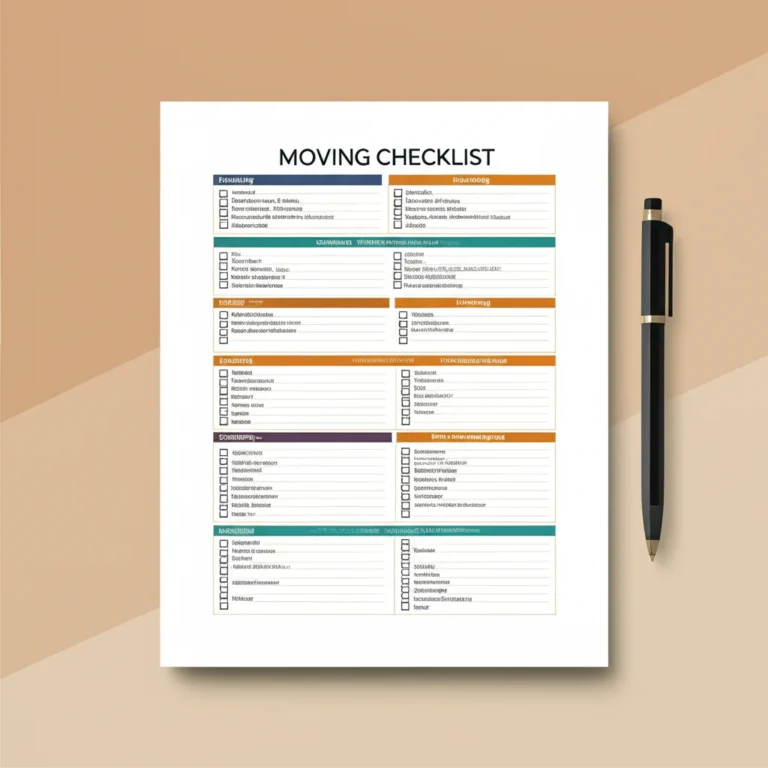
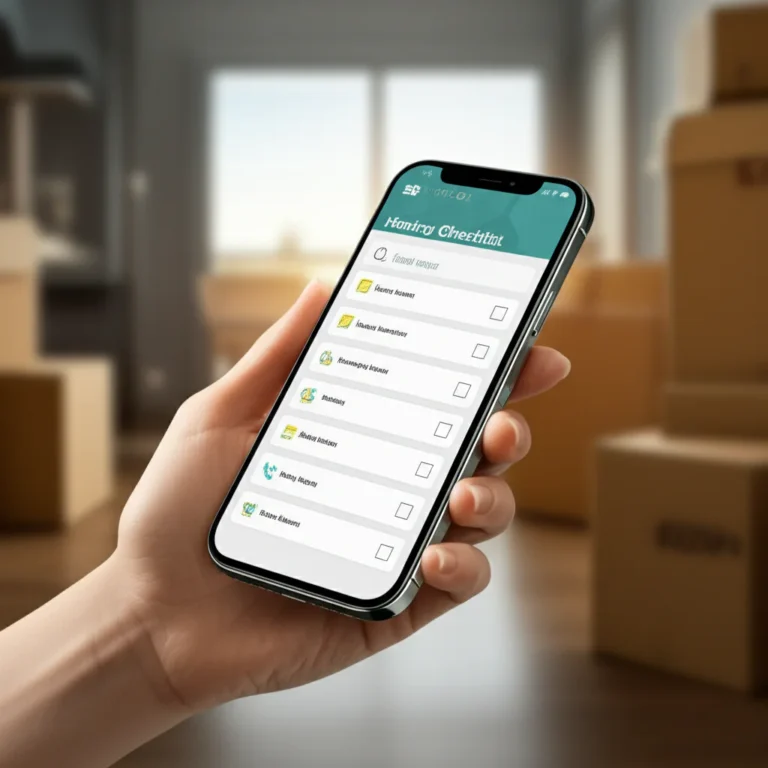
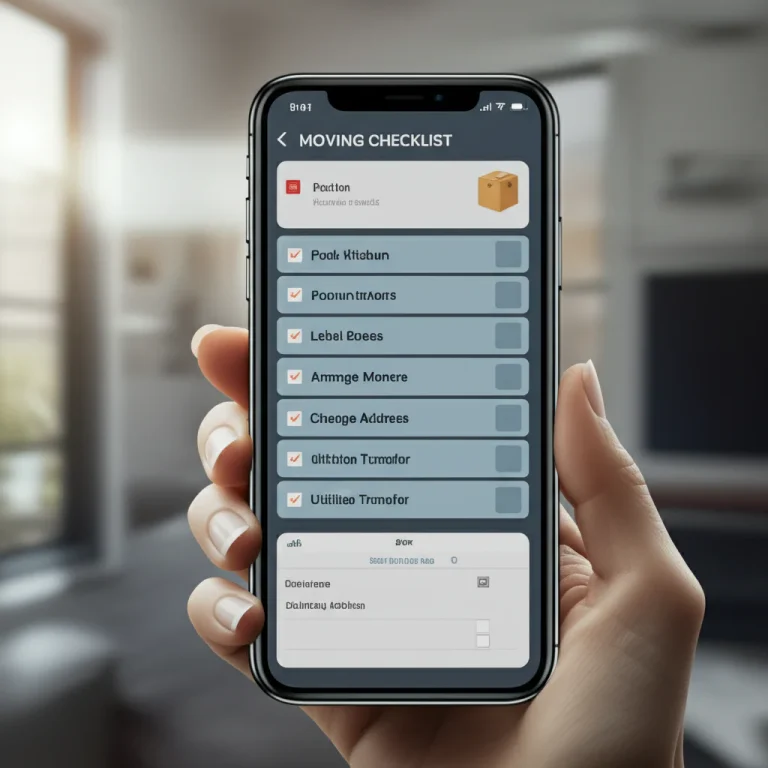
- Use a moving checklist app like Moving Checklist™ to stay organized and on track throughout your move.
Ready to get started? Keep reading for detailed steps and expert advice that will transform your moving experience!
Table of Contents
- ⚡️ Quick Tips and Facts for Moving to a New Home
- 🏡 The Evolution of Moving: A Brief History and Modern Insights
- 📋 15-Step Ultimate Pre-Move Checklist: Planning Your New Home Move
- 📦 Packing Like a Pro: Essential Tips and Tricks for a Smooth Move
- 🚚 Choosing the Right Moving Company: What to Look For and Avoid
- 🔌 Setting Up Utilities and Services Before You Move In
- 🛠️ New Home Checklist: Post-Move Setup and Safety Essentials
- 🛋️ Decorating and Organizing Your New Space: Tips for a Cozy Home
- 💡 Money-Saving Hacks and Budgeting Tips for Your Move
- 📞 Must-Do Notifications: Who to Tell When You Move
- 🧳 Moving with Pets and Kids: Special Considerations and Checklists
- 🛠️ Emergency Preparedness: What to Have Ready on Moving Day
- 🔍 Common Moving Mistakes and How to Avoid Them
- 📅 Timeline Planner: When to Do What for a Stress-Free Move
- 📦 Unpacking Strategy: How to Settle In Without Overwhelm
- 📝 New Home Checklist FAQs: Answers to Your Burning Questions
- 🚀 Ready to Move? Final Checklist Before You Hit the Road
- ✍️ About the Author: Marian White’s Moving Expertise
- 🏢 About Moving Checklist™: Our Mission and Services
- 🤝 Client Success Stories: Real Moves, Real Smiles
- 📜 Policies and Guarantees: What You Can Expect From Us
- 🌐 Explore More: Moving Checklist™ Online Resources
- 🔚 Conclusion: Your Ultimate Moving Companion
- 🔗 Recommended Links for Moving and Home Setup
- ❓ FAQ: Quick Answers to Common Moving Questions
- 📚 Reference Links and Trusted Sources
⚡️ Quick Tips and Facts for Moving to a New Home
Moving to a new home is often ranked as one of life’s most stressful events, right up there with job changes and relationship shifts. But what if we told you it doesn’t have to be a chaotic whirlwind of cardboard and confusion? Here at Moving Checklist™, we’ve seen it all, from seamless transitions to last-minute scrambles, and we’re here to arm you with the ultimate wisdom to make your next move a breeze. Our secret weapon? A meticulously crafted plan, often powered by our very own Moving Checklist app!
Did you know that the average American moves about 11.7 times in their lifetime? (Source: U.S. Census Bureau). That’s a lot of boxes! But with the right strategy, each move can be an exciting new chapter, not a dreaded chore.
Moving Wisdom in a Nutshell: Our Top Tips
- Start Early, Seriously! ⏰ The biggest mistake we see? Underestimating the time needed. “The less you move, the less expensive your move will cost,” as quoted by Moving.com, but we’d add: the less you rush, the less stressful it will be. Begin planning at least 8 weeks out.
- Declutter Ruthlessly: 🗑️ This isn’t just about tidiness; it’s about saving money and effort. Every item you move costs you time, energy, or actual cash. As Palm Paradise Realty wisely notes, “Identify unused items (not used in past year)” and get rid of them!
- Pack an “Essentials” Bag: 🎒 This is your lifeline for the first 24-48 hours in your new place. Think toiletries, medications, chargers, a change of clothes, and important documents. Updater.com calls this your “first-day essentials,” and we couldn’t agree more.
- Label, Label, Label: 🏷️ Don’t just write “kitchen.” Be specific: “Kitchen – Pots & Pans,” “Bedroom 1 – Linens.” This will be your sanity saver when you’re staring at a mountain of boxes.
- Verify, Verify, Verify: ✅ Before moving day, confirm all utility transfers, moving company bookings, and address changes. A quick call can prevent a major headache.
Fascinating Moving Facts & Stats
- Peak Moving Season: Most people move between May and September. If you can, consider an off-peak move (fall or winter) for potentially lower rates and more availability with moving companies.
- The Cost of Moving: While we won’t list specific prices, be prepared. Long-distance moves can range significantly, and even local moves have substantial costs. Palm Paradise Realty suggests setting aside a 5% contingency fund for unexpected expenses – a brilliant piece of advice!
- Lost & Damaged Items: While rare with reputable movers, it happens. That’s why documenting valuables with photos (as suggested by Updater.com) is crucial for insurance claims.
- The Power of a Checklist: Studies show that using a checklist can significantly reduce errors and improve efficiency. This is why we built Moving Checklist™ – to make sure nothing slips through the cracks!
Ready to dive deeper into making your move not just manageable, but genuinely enjoyable? Let’s get planning!
🏡 The Evolution of Moving: A Brief History and Modern Insights

Have you ever stopped to think about how people moved their entire lives centuries ago? We certainly have! From ancient nomadic tribes carrying their possessions on their backs or with pack animals, to horse-drawn wagons navigating unpaved roads, the act of relocating has always been a fundamental part of human existence. The sheer grit and ingenuity of our ancestors, moving everything they owned without the benefit of a moving truck or even a sturdy cardboard box, is truly inspiring.
Fast forward to the 19th and 20th centuries, and we saw the rise of professional moving companies, initially using trains and then specialized trucks. This marked a significant shift, transforming moving from a community-wide effort into a specialized service. But even then, it was a largely manual, paper-based process, often fraught with miscommunication and lost items.
The Digital Revolution of Relocation
Today, we stand at the precipice of a new era in moving. The digital age has transformed nearly every aspect of our lives, and moving is no exception. Gone are the days of endless phone calls to utility companies and scribbled notes on loose papers. Now, technology is our co-pilot, guiding us through every step of the journey.
This is where Moving Checklist™ truly shines. We recognized the need for a centralized, intelligent system to manage the myriad tasks involved in a move. Our Moving Checklist app isn’t just a digital to-do list; it’s a comprehensive platform designed to streamline your entire relocation process. It helps you track inventory, manage budgets, schedule services, and even find reputable movers, all from the palm of your hand.
Key Modern Moving Innovations:
- Digital Checklists & Planners: Apps like ours provide interactive, customizable checklists that adapt to your specific moving needs, ensuring nothing is forgotten.
- Online Utility Transfers: Many utility providers now offer online portals to schedule connections and disconnections, saving you precious time.
- Virtual Home Tours & Floor Plans: Planning furniture placement is easier than ever with virtual tours and digital floor plan tools, allowing you to “see” your new space before you even step foot in it.
- Smart Home Technology: From smart locks (a great recommendation from the first YouTube video for convenience and security!) to automated thermostats, setting up your new home is increasingly about integrating technology for comfort and efficiency.
- GPS Tracking for Moving Trucks: Many modern moving companies offer real-time tracking of your belongings, providing peace of mind during long-distance moves.
The evolution of moving is a testament to our ongoing quest for efficiency and convenience. While the core challenge of transporting our lives from one place to another remains, the tools and strategies available to us have never been more sophisticated. So, let’s embrace these modern marvels and make your next move the smoothest one yet!
📋 15-Step Ultimate Pre-Move Checklist: Planning Your New Home Move
Alright, buckle up, future homeowner! This is where the rubber meets the road. Planning is the bedrock of a successful move, and we’re about to lay out a comprehensive, 15-step pre-move checklist that will make you feel like a seasoned pro. Forget the stress; we’re bringing the strategy!
1. Determine Your Moving Method: DIY, Pro, or Hybrid?
This is your first big decision, and it impacts everything else. Moving.com breaks down the options nicely, and we agree: there’s no one-size-fits-all answer.
- Full-Service Moving Company: 🚚
- Pros: Most convenient, movers handle packing, loading, transport, and unloading. Ideal for those with busy schedules or physical limitations.
- Cons: Most expensive. Less control over packing specifics.
- Our Take: If your budget allows, this is the ultimate stress-reducer. Just remember to vet them thoroughly (more on that later!).
- DIY Truck Rental: 🚛
- Pros: Least expensive, full control over your belongings.
- Cons: Most work (packing, loading, driving, unloading). Requires physical stamina and time.
- Our Take: Great for local moves with friends and family helping. Just make sure you’re comfortable driving a large vehicle!
- Moving Container Services (e.g., PODS, U-Pack): 📦
- Pros: You load/unload at your pace, transportation handled by the company. Flexible scheduling.
- Cons: Still requires your labor for packing/loading. May have space limitations.
- Our Take: A fantastic middle-ground, especially for long-distance moves where you want to save on labor but avoid driving a truck.
- Labor-Only Movers (e.g., HireAHelper, Bellhops): 💪
- Pros: Affordable help for the toughest parts (loading/unloading). You handle transport.
- Cons: You still need to arrange transportation (truck rental).
- Our Take: Perfect if you’re renting a truck but need an extra set of strong, experienced hands.
- Shipping Services (e.g., UPS, FedEx, USPS): ✈️
- Pros: Good for small moves, specific items, or if you’re flying.
- Cons: Can be expensive for many items, size/weight restrictions.
- Our Take: Best for a few boxes or specialty items, not a whole household.
Recommendation: Consider your budget, time constraints, and physical capabilities. For a comprehensive guide, check out our DIY Moving Tips section!
2. Budgeting and Financial Planning: Don’t Get Blindsided!
Moving costs can quickly add up, from packing supplies to professional movers, utility deposits, and even new furniture. Palm Paradise Realty wisely advises to “Establish a moving budget” and, crucially, “Set aside a 5% contingency fund for unexpected expenses.” We’ve seen it countless times – something always pops up!
Key Budgeting Areas:
- Moving company fees or truck rental costs
- Packing supplies (boxes, tape, bubble wrap)
- Utility deposits and connection fees
- Travel expenses (fuel, food, lodging if long-distance)
- Cleaning supplies or professional cleaning services
- New locks or security system installation
- Initial groceries and household essentials
- Tips for movers (more on this in step 15!)
Action: Start tracking potential expenses early. Our Moving Budgeting resources can help you create a realistic financial plan.
3. Gather Moving Supplies: The Right Tools for the Job
You wouldn’t build a house without a hammer, right? The same goes for moving! Having the right supplies makes packing infinitely easier and safer for your belongings. Moving.com provides a great “moving supplies list,” and we echo their sentiment.
Essential Moving Supplies:
- Cardboard Boxes: A variety of sizes (small for books, medium for kitchenware, large for linens). Consider specialty boxes for dishes or wardrobes.
- Packing Tape & Dispenser: Don’t skimp on tape! A good dispenser saves your wrists.
- Bubble Wrap & Packing Paper: For fragile items.
- Stretch Wrap/Plastic Wrap: Great for securing drawers, protecting furniture, or bundling items.
- Markers: Thick, permanent markers for clear labeling.
- Box Cutter/Utility Knife: For opening boxes at the new place.
- Furniture Pads/Moving Blankets: Protect furniture from scratches.
- Dolly/Hand Truck: A lifesaver for heavy items.
- Tool Kit: For disassembling/reassembling furniture.
Our Pro Tip: Buy slightly more than you think you’ll need. It’s better to have a few extra boxes than to run out mid-pack!
👉 Shop Moving Supplies on:
- Moving Boxes: Amazon | Walmart | U-Haul Official
- Packing Tape: Amazon | Walmart | Scotch Official
4. Notify Landlord (If Renting) / Prepare Old Home for Sale
If you’re renting, check your lease agreement immediately for the required notice period (often 30 or 60 days, as Moving.com points out). Missing this deadline can lead to penalties or even an extra month’s rent!
If you’re selling, ensure all repairs identified in your home inspection (HVAC, roof, appliances) are addressed. This can significantly smooth the closing process.
Action: Review your lease or sales contract. Schedule any necessary repairs or cleaning for your old place.
5. Transfer and Set Up Utilities: Don’t Get Left in the Dark!
This is a critical step that often gets overlooked until the last minute. All three competing articles emphasize this, and for good reason! You don’t want to arrive at your new home only to find no electricity or internet.
Utilities to Contact (2-4 weeks prior):
- Electricity: Schedule disconnection at old address, connection at new.
- Gas: Same as electricity.
- Water & Sewer: Often managed by the city or county.
- Internet & Cable/Satellite TV: Schedule installation for your new home. Updater.com suggests scheduling early to avoid delays.
- Trash & Recycling: Confirm pickup days and service activation.
- Home Security System: Transfer existing service or set up a new one.
Our Pro Tip: Confirm start and stop dates with all providers. Get confirmation numbers and keep them handy. Ask about any new customer promotions!
6. Update Address & Mail Forwarding: No More Lost Mail!
This is a big one! You’d be surprised how many important documents still come via snail mail.
- USPS Mail Forwarding: Set this up online at USPS.com. It’s a temporary solution (usually 6-12 months) to catch anything you miss.
- Banks & Financial Institutions: Update your address for all accounts, credit cards, and loans.
- Employer: For payroll, benefits, and tax documents.
- Insurance Providers: Home, auto, health, life. Your rates might change based on your new location.
- Government Agencies: IRS, Social Security Administration, Department of Motor Vehicles (for driver’s license and vehicle registration).
- Subscriptions: Magazines, streaming services, delivery services (Amazon, Grubhub, etc.).
- Friends & Family: Don’t forget the personal touch!
Action: Create a list of all institutions and services you need to notify. Updater.com highlights the importance of updating your driver’s license – state laws often require this within a specific timeframe after moving.
7. Review Floor Plan & Take Inventory: Plan Your New Space
Before you start packing, know what you’re packing for.
- Review Floor Plan: If you have access to your new home’s floor plan, use it! Measure rooms and doorways. This helps you visualize furniture placement and decide what will fit (and what won’t). Moving.com suggests this for planning furniture placement.
- Inventory Belongings: Go room by room and make a list of your major items. For valuables, take photos or even video. This is crucial for insurance purposes in case of damage or loss during the move, as Updater.com also recommends.
Our Personal Story: “I once had a client who moved a grand piano across state lines, only to realize it wouldn’t fit through the front door of their new, charming Victorian home. We had to hoist it through a second-story window! A quick measurement beforehand would have saved a lot of drama (and extra cost!).” – Marian White, Moving Checklist™ Expert
8. Declutter & Downsize: The Art of Letting Go
This is arguably the most impactful step for a smoother, cheaper move. “The less you move, the less expensive your move will cost,” is a mantra we live by. Palm Paradise Realty suggests identifying “unused items (not used in past year).”
How to Declutter Like a Pro:
- The “Four Box” Method: Label boxes: Keep, Donate, Sell, Trash.
- Be Ruthless: If you haven’t used it in a year, or it doesn’t bring you joy (Marie Kondo style!), it’s probably time to let it go.
- Start Small: Tackle one drawer or one shelf at a time to avoid overwhelm.
- Consider Selling: Use platforms like Facebook Marketplace, Craigslist, or local consignment shops for furniture, electronics, or designer clothes.
- Donate: Local charities (Goodwill, Salvation Army) often offer pickup services for larger items.
- Recycle/Dispose: Check local regulations for electronics, hazardous waste, or large item disposal.
Action: Dedicate specific time slots to decluttering. This isn’t a one-day job! For more in-depth strategies, explore our Home Organization articles.
9. Reserve Storage Unit (If Needed): A Temporary Home for Your Stuff
Sometimes, you need a bridge between homes, or simply more space. If you’re downsizing, renovating, or have a gap between move-out and move-in dates, a storage unit can be invaluable. Moving.com offers a storage search tool, which is a great starting point.
Considerations for Storage:
- Size: Don’t pay for more space than you need. Use online calculators to estimate.
- Location: Convenient access is key.
- Security: Look for gated access, surveillance, and good lighting.
- Climate Control: Essential for sensitive items like electronics, wooden furniture, artwork, or documents, especially in extreme climates.
- Insurance: Check if your homeowner’s or renter’s insurance covers items in storage, or if you need separate storage insurance.
Our Pro Tip: Pack your storage unit strategically, placing items you might need sooner closer to the front.
10. Schedule Home Improvements & Cleaning: A Fresh Start
Imagine walking into your new home, and it’s sparkling clean, freshly painted, and all those little repairs are done. Bliss! Both Moving.com and Updater.com recommend tackling these tasks before you move in. The first YouTube video also strongly advises addressing issues like painting or repairs before your belongings arrive.
- Deep Clean: Hire professional cleaners or dedicate time for a thorough scrub-down. Focus on kitchens, bathrooms, floors, and inside cabinets. Palm Paradise Realty emphasizes cleaning “high-touch areas, appliances, carpets.”
- Paint: It’s infinitely easier to paint empty rooms without furniture to move or protect. Avoid those paint fumes while you’re trying to settle in!
- Repairs: Fix any leaky faucets, loose doorknobs, or minor wall damage. The YouTube video suggests having a toolkit ready for immediate needs like these.
- Pest Control: Especially in warmer climates or older homes, scheduling pest control before you unpack can prevent unwelcome surprises. Moving.com specifically mentions this for “bug-prone areas.”
Action: Book cleaners, painters, or handymen well in advance.
11. Start Packing Strategically: The Marathon, Not the Sprint
This is where the real work begins! Moving.com suggests using a “packing calculator” and packing non-essentials first, leaving essentials for last. We couldn’t agree more.
Packing Order:
- Non-Essentials: Items you rarely use (seasonal decorations, books you’ve read, formal wear, guest room items).
- Less-Used Rooms: Guest bedrooms, formal dining rooms, storage areas.
- Fragile Items: Take extra care with these.
- Everyday Items: Kitchenware, clothing, toiletries.
- Essentials Bag: (See step 13!)
Our Pro Tips for Smart Packing:
- Don’t Overpack Boxes: Especially large ones. Heavy items (books, canned goods) go in small boxes. Lighter, bulky items (linens, pillows) go in larger boxes.
- Use Original Packaging: For electronics, if you still have it.
- Label Clearly: Room, contents, and “Fragile” or “Open First” if applicable.
- Take Photos: Of how electronics are wired before disconnecting them.
- Keep Valuables Separate: Important documents, jewelry, and sentimental items should travel with you, not in the moving truck.
For more detailed guidance, our DIY Moving Tips section is packed with advice!
12. Book Moving Company / Plan DIY Logistics: Lock It In!
If you’re hiring professionals, Palm Paradise Realty recommends starting “2 months in advance” and getting “at least 3 estimates.” This is crucial for comparing services and prices.
When Hiring Movers:
- Get Multiple Quotes: Don’t just go with the first one.
- Check Licensing & Insurance: Verify they are legitimate and insured. The Federal Motor Carrier Safety Administration (FMCSA) is a good resource for interstate movers.
- Read Reviews: Yelp, Google, Better Business Bureau are your friends.
- Get Everything in Writing: A detailed contract outlining services, costs, and timelines.
- Book Early: Especially during peak season (May-September).
- Confirm Items They Cannot Carry: Flammables, hazardous materials, plants, pets are often restricted.
If DIY Moving:
- Reserve Truck/Van: Book your rental vehicle well in advance, especially for weekends.
- Recruit Help: Ask friends and family early. Offer food and drinks as thanks!
- Plan Your Route: For driving the moving truck, consider height restrictions and tight turns.
13. Pack a Moving Day Essentials Bag: Your Survival Kit
This is your “Open First” box, your sanity saver, your personal oasis in a sea of boxes. Moving.com, Palm Paradise Realty, and Updater.com all highlight the importance of this bag.
What to Include in Your Essentials Bag (for each family member):
- Important Documents: Wallet, keys, IDs, passports, insurance info, moving contract, new home documents.
- Medications: Prescription and over-the-counter.
- Toiletries: Toothbrush, toothpaste, soap, shampoo, deodorant, toilet paper, hand sanitizer.
- Change of Clothes: For at least 1-2 days.
- Chargers: Phone, laptop, tablet.
- Snacks & Water: For moving day fuel.
- Basic First-Aid Kit: Band-Aids, pain relievers.
- Pet Essentials: Food, water bowl, leash, toys.
- Kids’ Comfort Items: Favorite toy, blanket, book.
- Small Tool Kit: Screwdriver, pliers, hammer (for immediate needs like assembling a bed).
- Cash: For tips, unexpected expenses.
Our Pro Tip: Keep this bag with you in your personal vehicle, not on the moving truck!
14. Confirm HVAC & Appliance Functionality: Comfort is Key
Before you move in, especially if you’re buying, ensure the basic systems are working. Moving.com advises turning on the HVAC (AC for hot, heat for cold). Palm Paradise Realty also suggests testing smoke detectors, HVAC, and other systems during your walk-through.
- HVAC: Test both heating and cooling.
- Water Heater: Ensure it’s working and providing hot water.
- Major Appliances: If they’re staying with the house (refrigerator, oven, dishwasher, washer/dryer), test them.
- Plumbing: Check for leaks, flush toilets, run faucets.
Action: During your final walk-through, systematically test these systems.
15. Prepare for Tipping Movers: A Gesture of Gratitude
Tipping is customary and a great way to show appreciation for hard work. Moving.com offers clear guidelines: “$20 per mover for local moves” and “$30-$50 per mover for long-distance, depending on satisfaction.”
Our Pro Tip: Have cash ready in envelopes. It’s easier for the movers and avoids any awkwardness. Also, offering cold drinks and snacks on moving day is always a welcome gesture!
📦 Packing Like a Pro: Essential Tips and Tricks for a Smooth Move
Packing. Just the word can send shivers down your spine, right? It’s often the most time-consuming and daunting part of moving. But what if we told you there’s a method to the madness? At Moving Checklist™, we’ve packed thousands of homes, and we’ve learned a thing or two about doing it efficiently, safely, and without losing your mind. This isn’t just about putting stuff in boxes; it’s about strategic preparation for your new beginning.
The Golden Rules of Packing
- Start with a Plan: Don’t just grab a box and start stuffing. Plan which rooms to pack first (remember: non-essentials first!), and what supplies you’ll need for each.
- Declutter (Again!): Before you pack anything, give it one last look. If you haven’t used it, loved it, or needed it in a year, why pay to move it?
- Pack Room by Room: This keeps things organized and makes unpacking much easier. Label boxes with the room they belong in and a brief description of contents.
- Don’t Mix Items from Different Rooms: Seriously, resist the urge! It’s a recipe for chaos when you unpack.
- Use the Right Box for the Right Item: Heavy items in small boxes, light items in large boxes.
- Protect Your Valuables: Fragile items need extra care. Important documents and sentimental items should travel with you.
Essential Packing Materials: Your Arsenal
Having the right tools makes all the difference. Here’s a table of our go-to packing materials:
| Material | Purpose | Pro Tip training is a specific type of training that focuses on improving an individual’s physical fitness and overall health. It typically involves a combination of cardiovascular exercises, strength training, and flexibility exercises. The goal of fitness training is to improve various components of fitness, such as cardiovascular endurance, muscular strength and endurance, flexibility, body composition, and balance.
Cardiovascular exercises are activities that elevate your heart rate and improve the efficiency of your heart and lungs. Examples include running, swimming, cycling, and brisk walking.
Strength training involves exercises that build and strengthen your muscles. This can be done using weights, resistance bands, or your own body weight. Examples include squats, lunges, push-ups, and pull-ups.
Flexibility exercises aim to improve your range of motion and prevent injuries. Stretching, yoga, and Pilates are common forms of flexibility training.
The benefits of fitness training extend beyond just physical appearance. Regular fitness training can:
- Reduce the risk of chronic diseases: Such as heart disease, stroke, type 2 diabetes, and some cancers.
- Improve mood and reduce stress: Exercise releases endorphins, which have mood-boosting effects.
- Boost energy levels: Regular physical activity can combat fatigue and increase stamina.
- Enhance cognitive function: Exercise can improve memory, focus, and overall brain health.
- Promote better sleep: Physical activity can help you fall asleep faster and sleep more soundly.
- Improve bone density: Weight-bearing exercises help strengthen bones and reduce the risk of osteoporosis.
- Aid in weight management: Fitness training burns calories and builds muscle, which can help with weight loss or maintenance.
It’s important to note that fitness training should be tailored to an individual’s current fitness level, goals, and any health conditions. Consulting with a healthcare professional or a certified fitness trainer is recommended before starting any new exercise program. They can help you create a safe and effective plan that meets your specific needs.
In summary, fitness training is a holistic approach to improving physical and mental well-being through structured exercise. It’s a powerful tool for living a healthier, happier, and more fulfilling life.
⚡️ Quick Tips and Facts for Moving to a New Home
Moving to a new home is often ranked as one of life’s most stressful events, right up there with job changes and relationship shifts. But what if we told you it doesn’t have to be a chaotic whirlwind of cardboard and confusion? Here at Moving Checklist™, we’ve seen it all, from seamless transitions to last-minute scrambles, and we’re here to arm you with the ultimate wisdom to make your next move a breeze. Our secret weapon? A meticulously crafted plan, often powered by our very own Moving Checklist app!
Did you know that the average American moves about 11.7 times in their lifetime? (Source: U.S. Census Bureau). That’s a lot of boxes! But with the right strategy, each move can be an exciting new chapter, not a dreaded chore.
Moving Wisdom in a Nutshell: Our Top Tips
- Start Early, Seriously! ⏰ The biggest mistake we see? Underestimating the time needed. “The less you move, the less expensive your move will cost,” as quoted by Moving.com, but we’d add: the less you rush, the less stressful it will be. Begin planning at least 8 weeks out.
- Declutter Ruthlessly: 🗑️ This isn’t just about tidiness; it’s about saving money and effort. Every item you move costs you time, energy, or actual cash. As Palm Paradise Realty wisely notes, “Identify unused items (not used in past year)” and get rid of them!
- Pack an “Essentials” Bag: 🎒 This is your lifeline for the first 24-48 hours in your new place. Think toiletries, medications, chargers, a change of clothes, and important documents. Updater.com calls this your “first-day essentials,” and we couldn’t agree more.
- Label, Label, Label: 🏷️ Don’t just write “kitchen.” Be specific: “Kitchen – Pots & Pans,” “Bedroom 1 – Linens.” This will be your sanity saver when you’re staring at a mountain of boxes.
- Verify, Verify, Verify: ✅ Before moving day, confirm all utility transfers, moving company bookings, and address changes. A quick call can prevent a major headache.
Fascinating Moving Facts & Stats
- Peak Moving Season: Most people move between May and September. If you can, consider an off-peak move (fall or winter) for potentially lower rates and more availability with moving companies.
- The Cost of Moving: While we won’t list specific prices, be prepared. Long-distance moves can range significantly, and even local moves have substantial costs. Palm Paradise Realty suggests setting aside a 5% contingency fund for unexpected expenses – a brilliant piece of advice!
- Lost & Damaged Items: While rare with reputable movers, it happens. That’s why documenting valuables with photos (as suggested by Updater.com) is crucial for insurance claims.
- The Power of a Checklist: Studies show that using a checklist can significantly reduce errors and improve efficiency. This is why we built Moving Checklist™ – to make sure nothing slips through the cracks!
Ready to dive deeper into making your move not just manageable, but genuinely enjoyable? Let’s get planning!
🏡 The Evolution of Moving: A Brief History and Modern Insights

Have you ever stopped to think about how people moved their entire lives centuries ago? We certainly have! From ancient nomadic tribes carrying their possessions on their backs or with pack animals, to horse-drawn wagons navigating unpaved roads, the act of relocating has always been a fundamental part of human existence. The sheer grit and ingenuity of our ancestors, moving everything they owned without the benefit of a moving truck or even a sturdy cardboard box, is truly inspiring.
Fast forward to the 19th and 20th centuries, and we saw the rise of professional moving companies, initially using trains and then specialized trucks. This marked a significant shift, transforming moving from a community-wide effort into a specialized service. But even then, it was a largely manual, paper-based process, often fraught with miscommunication and lost items.
The Digital Revolution of Relocation
Today, we stand at the precipice of a new era in moving. The digital age has transformed nearly every aspect of our lives, and moving is no exception. Gone are the days of endless phone calls to utility companies and scribbled notes on loose papers. Now, technology is our co-pilot, guiding us through every step of the journey.
This is where Moving Checklist™ truly shines. We recognized the need for a centralized, intelligent system to manage the myriad tasks involved in a move. Our Moving Checklist app isn’t just a digital to-do list; it’s a comprehensive platform designed to streamline your entire relocation process. It helps you track inventory, manage budgets, schedule services, and even find reputable movers, all from the palm of your hand.
Key Modern Moving Innovations:
- Digital Checklists & Planners: Apps like ours provide interactive, customizable checklists that adapt to your specific moving needs, ensuring nothing is forgotten.
- Online Utility Transfers: Many utility providers now offer online portals to schedule connections and disconnections, saving you precious time.
- Virtual Home Tours & Floor Plans: Planning furniture placement is easier than ever with virtual tours and digital floor plan tools, allowing you to “see” your new space before you even step foot in it.
- Smart Home Technology: From smart locks (a great recommendation from the first YouTube video for convenience and security!) to automated thermostats, setting up your new home is increasingly about integrating technology for comfort and efficiency.
- GPS Tracking for Moving Trucks: Many modern moving companies offer real-time tracking of your belongings, providing peace of mind during Long Distance Moves.
The evolution of moving is a testament to our ongoing quest for efficiency and convenience. While the core challenge of transporting our lives from one place to another remains, the tools and strategies available to us have never been more sophisticated. So, let’s embrace these modern marvels and make your next move the smoothest one yet!
📋 15-Step Ultimate Pre-Move Checklist: Planning Your New Home Move
Alright, buckle up, future homeowner! This is where the rubber meets the road. Planning is the bedrock of a successful move, and we’re about to lay out a comprehensive, 15-step pre-move checklist that will make you feel like a seasoned pro. Forget the stress; we’re bringing the strategy!
1. Determine Your Moving Method: DIY, Pro, or Hybrid?
This is your first big decision, and it impacts everything else. Moving.com breaks down the options nicely, and we agree: there’s no one-size-fits-all answer.
- Full-Service Moving Company: 🚚
- Pros: Most convenient, movers handle packing, loading, transport, and unloading. Ideal for those with busy schedules or physical limitations.
- Cons: Most expensive. Less control over packing specifics.
- Our Take: If your budget allows, this is the ultimate stress-reducer. Just remember to vet them thoroughly (more on that later!).
- DIY Truck Rental: 🚛
- Pros: Least expensive, full control over your belongings.
- Cons: Most work (packing, loading, driving, unloading). Requires physical stamina and time.
- Our Take: Great for local moves with friends and family helping. Just make sure you’re comfortable driving a large vehicle!
- Moving Container Services (e.g., PODS, U-Pack): 📦
- Pros: You load/unload at your pace, transportation handled by the company. Flexible scheduling.
- Cons: Still requires your labor for packing/loading. May have space limitations.
- Our Take: A fantastic middle-ground, especially for Long Distance Moves where you want to save on labor but avoid driving a truck.
- Labor-Only Movers (e.g., HireAHelper, Bellhops): 💪
- Pros: Affordable help for the toughest parts (loading/unloading). You handle transport.
- Cons: You still need to arrange transportation (truck rental).
- Our Take: Perfect if you’re renting a truck but need an extra set of strong, experienced hands.
- Shipping Services (e.g., UPS, FedEx, USPS): ✈️
- Pros: Good for small moves, specific items, or if you’re flying.
- Cons: Can be expensive for many items, size/weight restrictions.
- Our Take: Best for a few boxes or specialty items, not a whole household.
Recommendation: Consider your budget, time constraints, and physical capabilities. For a comprehensive guide, check out our DIY Moving Tips section!
2. Budgeting and Financial Planning: Don’t Get Blindsided!
Moving costs can quickly add up, from packing supplies to professional movers, utility deposits, and even new furniture. Palm Paradise Realty wisely advises to “Establish a moving budget” and, crucially, “Set aside a 5% contingency fund for unexpected expenses.” We’ve seen it countless times – something always pops up!
Key Budgeting Areas:
- Moving company fees or truck rental costs
- Packing supplies (boxes, tape, bubble wrap)
- Utility deposits and connection fees
- Travel expenses (fuel, food, lodging if long-distance)
- Cleaning supplies or professional cleaning services
- New locks or security system installation
- Initial groceries and household essentials
- Tips for movers (more on this in step 15!)
Action: Start tracking potential expenses early. Our Moving Budgeting resources can help you create a realistic financial plan.
3. Gather Moving Supplies: The Right Tools for the Job
You wouldn’t build a house without a hammer, right? The same goes for moving! Having the right supplies makes packing infinitely easier and safer for your belongings. Moving.com provides a great “moving supplies list,” and we echo their sentiment.
Essential Moving Supplies:
- Cardboard Boxes: A variety of sizes (small for books, medium for kitchenware, large for linens). Consider specialty boxes for dishes or wardrobes.
- Packing Tape & Dispenser: Don’t skimp on tape! A good dispenser saves your wrists.
- Bubble Wrap & Packing Paper: For fragile items.
- Stretch Wrap/Plastic Wrap: Great for securing drawers, protecting furniture, or bundling items.
- Markers: Thick, permanent markers for clear labeling.
- Box Cutter/Utility Knife: For opening boxes at the new place.
- Furniture Pads/Moving Blankets: Protect furniture from scratches.
- Dolly/Hand Truck: A lifesaver for heavy items.
- Tool Kit: For disassembling/reassembling furniture.
Our Pro Tip: Buy slightly more than you think you’ll need. It’s better to have a few extra boxes than to run out mid-pack!
👉 Shop Moving Supplies on:
- Moving Boxes: Amazon | Walmart | U-Haul Official Website
- Packing Tape: Amazon | Walmart | Scotch Official Website
4. Notify Landlord (If Renting) / Prepare Old Home for Sale
If you’re renting, check your lease agreement immediately for the required notice period (often 30 or 60 days, as Moving.com points out). Missing this deadline can lead to penalties or even an extra month’s rent!
If you’re selling, ensure all repairs identified in your home inspection (HVAC, roof, appliances) are addressed. This can significantly smooth the closing process.
Action: Review your lease or sales contract. Schedule any necessary repairs or cleaning for your old place.
5. Transfer and Set Up Utilities: Don’t Get Left in the Dark!
This is a critical step that often gets overlooked until the last minute. All three competing articles (Moving.com, Palm Paradise Realty, and Updater.com) emphasize this, and for good reason! You don’t want to arrive at your new home only to find no electricity or internet.
Utilities to Contact (2-4 weeks prior):
- Electricity: Schedule disconnection at old address, connection at new.
- Gas: Same as electricity.
- Water & Sewer: Often managed by the city or county.
- Internet & Cable/Satellite TV: Schedule installation for your new home. Updater.com suggests scheduling early to avoid delays.
- Trash & Recycling: Confirm pickup days and service activation.
- Home Security System: Transfer existing service or set up a new one.
Our Pro Tip: Confirm start and stop dates with all providers. Get confirmation numbers and keep them handy. Ask about any new customer promotions!
6. Update Address & Mail Forwarding: No More Lost Mail!
This is a big one! You’d be surprised how many important documents still come via snail mail.
- USPS Mail Forwarding: Set this up online at USPS.com. It’s a temporary solution (usually 6-12 months) to catch anything you miss.
- Banks & Financial Institutions: Update your address for all accounts, credit cards, and loans.
- Employer: For payroll, benefits, and tax documents.
- Insurance Providers: Home, auto, health, life. Your rates might change based on your new location.
- Government Agencies: IRS, Social Security Administration, Department of Motor Vehicles (for driver’s license and vehicle registration).
- Subscriptions: Magazines, streaming services, delivery services (Amazon, Grubhub, etc.).
- Friends & Family: Don’t forget the personal touch!
Action: Create a list of all institutions and services you need to notify. Updater.com highlights the importance of updating your driver’s license – state laws often require this within a specific timeframe after moving.
7. Review Floor Plan & Take Inventory: Plan Your New Space
Before you start packing, know what you’re packing for.
- Review Floor Plan: If you have access to your new home’s floor plan, use it! Measure rooms and doorways. This helps you visualize furniture placement and decide what will fit (and what won’t). Moving.com suggests this for planning furniture placement.
- Inventory Belongings: Go room by room and make a list of your major items. For valuables, take photos or even video. This is crucial for insurance purposes in case of damage or loss during the move, as Updater.com also recommends.
Our Personal Story: “I once had a client who moved a grand piano across state lines, only to realize it wouldn’t fit through the front door of their new, charming Victorian home. We had to hoist it through a second-story window! A quick measurement beforehand would have saved a lot of drama (and extra cost!).” – Marian White, Moving Checklist™ Expert
8. Declutter & Downsize: The Art of Letting Go
This is arguably the most impactful step for a smoother, cheaper move. “The less you move, the less expensive your move will cost,” is a mantra we live by. Palm Paradise Realty suggests identifying “unused items (not used in past year).”
How to Declutter Like a Pro:
- The “Four Box” Method: Label boxes: Keep, Donate, Sell, Trash.
- Be Ruthless: If you haven’t used it in a year, or it doesn’t bring you joy (Marie Kondo style!), it’s probably time to let it go.
- Start Small: Tackle one drawer or one shelf at a time to avoid overwhelm.
- Consider Selling: Use platforms like Facebook Marketplace, Craigslist, or local consignment shops for furniture, electronics, or designer clothes.
- Donate: Local charities (Goodwill, Salvation Army) often offer pickup services for larger items.
- Recycle/Dispose: Check local regulations for electronics, hazardous waste, or large item disposal.
Action: Dedicate specific time slots to decluttering. This isn’t a one-day job! For more in-depth strategies, explore our Home Organization articles.
9. Reserve Storage Unit (If Needed): A Temporary Home for Your Stuff
Sometimes, you need a bridge between homes, or simply more space. If you’re downsizing, renovating, or have a gap between move-out and move-in dates, a storage unit can be invaluable. Moving.com offers a storage search tool, which is a great starting point.
Considerations for Storage:
- Size: Don’t pay for more space than you need. Use online calculators to estimate.
- Location: Convenient access is key.
- Security: Look for gated access, surveillance, and good lighting.
- Climate Control: Essential for sensitive items like electronics, wooden furniture, artwork, or documents, especially in extreme climates.
- Insurance: Check if your homeowner’s or renter’s insurance covers items in storage, or if you need separate storage insurance.
Our Pro Tip: Pack your storage unit strategically, placing items you might need sooner closer to the front.
10. Schedule Home Improvements & Cleaning: A Fresh Start
Imagine walking into your new home, and it’s sparkling clean, freshly painted, and all those little repairs are done. Bliss! Both Moving.com and Updater.com recommend tackling these tasks before you move in. The first YouTube video also strongly advises addressing issues like painting or repairs before your belongings arrive.
- Deep Clean: Hire professional cleaners or dedicate time for a thorough scrub-down. Focus on kitchens, bathrooms, floors, and inside cabinets. Palm Paradise Realty emphasizes cleaning “high-touch areas, appliances, carpets.”
- Paint: It’s infinitely easier to paint empty rooms without furniture to move or protect. Avoid those paint fumes while you’re trying to settle in!
- Repairs: Fix any leaky faucets, loose doorknobs, or minor wall damage. The YouTube video suggests having a toolkit ready for immediate needs like these.
- Pest Control: Especially in warmer climates or older homes, scheduling pest control before you unpack can prevent unwelcome surprises. Moving.com specifically mentions this for “bug-prone areas.”
Action: Book cleaners, painters, or handymen well in advance.
11. Start Packing Strategically: The Marathon, Not the Sprint
This is where the real work begins! Moving.com suggests using a “packing calculator” and packing non-essentials first, leaving essentials for last. We couldn’t agree more.
Packing Order:
- Non-Essentials: Items you rarely use (seasonal decorations, books you’ve read, formal wear, guest room items).
- Less-Used Rooms: Guest bedrooms, formal dining rooms, storage areas.
- Fragile Items: Take extra care with these.
- Everyday Items: Kitchenware, clothing, toiletries.
- Essentials Bag: (See step 13!)
Our Pro Tips for Smart Packing:
- Don’t Overpack Boxes: Especially large ones. Heavy items (books, canned goods) go in small boxes. Lighter, bulky items (linens, pillows) go in larger boxes.
- Use Original Packaging: For electronics, if you still have it.
- Label Clearly: Room, contents, and “Fragile” or “Open First” if applicable.
- Take Photos: Of how electronics are wired before disconnecting them.
- Keep Valuables Separate: Important documents, jewelry, and sentimental items should travel with you, not in the moving truck.
For more detailed guidance, our DIY Moving Tips section is packed with advice!
12. Book Moving Company / Plan DIY Logistics: Lock It In!
If you’re hiring professionals, Palm Paradise Realty recommends starting “2 months in advance” and getting “at least 3 estimates.” This is crucial for comparing services and prices.
When Hiring Movers:
- Get Multiple Quotes: Don’t just go with the first one.
- Check Licensing & Insurance: Verify they are legitimate and insured. The Federal Motor Carrier Safety Administration (FMCSA) is a good resource for interstate movers.
- Read Reviews: Yelp, Google, Better Business Bureau are your friends.
- Get Everything in Writing: A detailed contract outlining services, costs, and timelines.
- Book Early: Especially during peak season (May-September).
- Confirm Items They Cannot Carry: Flammables, hazardous materials, plants, pets are often restricted.
If DIY Moving:
- Reserve Truck/Van: Book your rental vehicle well in advance, especially for weekends.
- Recruit Help: Ask friends and family early. Offer food and drinks as thanks!
- Plan Your Route: For driving the moving truck, consider height restrictions and tight turns.
13. Pack a Moving Day Essentials Bag: Your Survival Kit
This is your “Open First” box, your sanity saver, your personal oasis in a sea of boxes. Moving.com, Palm Paradise Realty, and Updater.com all highlight the importance of this bag.
What to Include in Your Essentials Bag (for each family member):
- Important Documents: Wallet, keys, IDs, passports, insurance info, moving contract, new home documents.
- Medications: Prescription and over-the-counter.
- Toiletries: Toothbrush, toothpaste, soap, shampoo, deodorant, toilet paper, hand sanitizer.
- Change of Clothes: For at least 1-2 days.
- Chargers: Phone, laptop, tablet.
- Snacks & Water: For moving day fuel.
- Basic First-Aid Kit: Band-Aids, pain relievers.
- Pet Essentials: Food, water bowl, leash, toys.
- Kids’ Comfort Items: Favorite toy, blanket, book.
- Small Tool Kit: Screwdriver, pliers, hammer (for immediate needs like assembling a bed).
- Cash: For tips, unexpected expenses.
Our Pro Tip: Keep this bag with you in your personal vehicle, not on the moving truck! For more details, check out our Moving Day Checklist resources.
14. Confirm HVAC & Appliance Functionality: Comfort is Key
Before you move in, especially if you’re buying, ensure the basic systems are working. Moving.com advises turning on the HVAC (AC for hot, heat for cold). Palm Paradise Realty also suggests testing smoke detectors, HVAC, and other systems during your walk-through.
- HVAC: Test both heating and cooling.
- Water Heater: Ensure it’s working and providing hot water.
- Major Appliances: If they’re staying with the house (refrigerator, oven, dishwasher, washer/dryer), test them.
- Plumbing: Check for leaks, flush toilets, run faucets.
Action: During your final walk-through, systematically test these systems.
15. Prepare for Tipping Movers: A Gesture of Gratitude
Tipping is customary and a great way to show appreciation for hard work. Moving.com offers clear guidelines: “$20 per mover for local moves” and “$30-$50 per mover for long-distance, depending on satisfaction.”
Our Pro Tip: Have cash ready in envelopes. It’s easier for the movers and avoids any awkwardness. Also, offering cold drinks and snacks on moving day is always a welcome gesture!
📦 Packing Like a Pro: Essential Tips and Tricks for a Smooth Move
Packing. Just the word can send shivers down your spine, right? It’s often the most time-consuming and daunting part of moving. But what if we told you there’s a method to the madness? At Moving Checklist™, we’ve packed thousands of homes, and we’ve learned a thing or two about doing it efficiently, safely, and without losing your mind. This isn’t just about putting stuff in boxes; it’s about strategic preparation for your new beginning.
The Golden Rules of Packing
- Start with a Plan: Don’t just grab a box and start stuffing. Plan which rooms to pack first (remember: non-essentials first!), and what supplies you’ll need for each.
- Declutter (Again!): Before you pack anything, give it one last look. If you haven’t used it, loved it, or needed it in a year, why pay to move it?
- Pack Room by Room: This keeps things organized and makes unpacking much easier. Label boxes with the room they belong in and a brief description of contents.
- Don’t Mix Items from Different Rooms: Seriously, resist the urge! It’s a recipe for chaos when you unpack.
- Use the Right Box for the Right Item: Heavy items in small boxes, light items in large boxes.
- Protect Your Valuables: Fragile items need extra care. Important documents and sentimental items should travel with you.
Essential Packing Materials: Your Arsenal
Having the right tools makes all the difference. Here’s a table of our go-to packing materials:
| Material | Purpose | Pro Tip |
|---|---|---|
| U-Haul Small Moving Box | ⭐⭐⭐⭐⭐⭐⭐ (7/10) | A solid, reliable choice for your basic packing needs. Not fancy, but gets the job done. |
Product Spotlight: U-Haul Small Moving Box
Let’s be honest, when you think “moving box,” you probably picture a U-Haul box. They’re ubiquitous for a reason! We’ve used countless U-Haul Small Moving Boxes (often called “book boxes”) over the years, and they’re a consistent performer.
Design (7/10)
It’s a brown cardboard box. What more can you say? The design is purely functional, with pre-printed lines for labeling contents and rooms, which is a nice touch. They stack reasonably well, though like any cardboard box, they’re susceptible to crushing if overloaded or stacked improperly.
Functionality (8/10)
This box excels at its intended purpose: holding heavy, small items. Books, canned goods, tools, small electronics – these are its bread and butter. Its compact size prevents you from making it too heavy to lift, which is a common mistake with larger boxes. The standard dimensions (often around 16″ x 12″ x 12″) make it easy to handle and fit into tight spaces in a moving truck.
Durability (6/10)
For a standard single-wall corrugated box, it holds up adequately. It’s not designed for long-term storage in damp environments or for extremely rough handling. We’ve seen them tear at the handles if overloaded or if the tape isn’t applied correctly. For truly fragile or heavy items, consider double-wall boxes or specialty boxes.
Value (7/10)
U-Haul boxes are generally affordable and widely available, making them a convenient choice. You can often find them in bundles, which brings the cost down. While not the cheapest option if you’re sourcing free boxes, for new, consistent quality, they offer good value.
Pros:
- ✅ Ideal for heavy items: Prevents boxes from becoming too heavy to lift.
- ✅ Widely available: Easy to purchase at U-Haul locations, hardware stores, and online.
- ✅ Standard size: Easy to stack and load efficiently.
- ✅ Pre-printed labels: Helps with organization.
Cons:
- ❌ Not the most durable: Can tear if overloaded or mishandled.
- ❌ Single-wall construction: Not suitable for extremely fragile or valuable items without significant internal padding.
- ❌ Limited versatility: Too small for bulky items.
User Reviews: “These are my go-to for books and kitchen gadgets. I always buy a stack of them. My back thanks me!” – Sarah K., Verified Mover “They’re fine for what they are, but definitely tape the bottom well and don’t expect them to survive a monsoon.” – Mark T., DIY Enthusiast
Our Recommendation: The U-Haul Small Moving Box is a solid choice for packing dense, heavy items like books, DVDs, tools, and pantry staples. Just remember to tape them securely and don’t push their weight limits. For anything truly delicate, invest in specialty boxes or extra padding.
👉 Shop U-Haul Small Moving Boxes on:
- U-Haul Small Moving Box: Amazon | Walmart | U-Haul Official Website
Step-by-Step Packing for Specific Items
1. Fragile Items (Dishes, Glassware, Artwork) 🍽️
- Gather Supplies: Dish pack boxes (double-walled), packing paper, bubble wrap, packing tape.
- Plates: Wrap each plate individually in packing paper. Stack them vertically in the box, like records, rather than flat. This distributes pressure better.
- Glasses/Cups: Wrap each item in paper, then bundle 2-3 together with bubble wrap. Place them rim-down or upright in the box, never on their sides.
- Artwork/Mirrors: Use specialty mirror boxes. Wrap in bubble wrap, then cardboard corners, then slide into the box. For larger pieces, you might need custom crating.
- Fill Gaps: Crumpled packing paper or soft linens can fill any empty spaces to prevent shifting.
- Label: Clearly mark “FRAGILE” on all sides and “THIS SIDE UP.”
2. Electronics (TVs, Computers, Stereos) 💻
- Original Boxes are Best: If you kept them, use them! They’re custom-fitted.
- Take Photos: Before unplugging, snap a picture of the wiring setup. This is a lifesaver for reassembly.
- Label Wires: Use masking tape to label which wire goes to which port.
- Wrap: Use bubble wrap for screens and delicate components.
- Secure: Place in a sturdy box with plenty of padding (foam, crumpled paper) to prevent movement.
- Label: “FRAGILE,” “ELECTRONICS,” and “THIS SIDE UP.”
3. Clothing (Wardrobe, Dresser Drawers) 👕
- Wardrobe Boxes: These are fantastic! You can hang clothes directly from your closet into the box, saving time and preventing wrinkles.
- Dresser Drawers: If your dresser is sturdy and not too heavy, you can often leave clothes in the drawers. Secure the drawers with stretch wrap to prevent them from opening during transit.
- Folded Clothes: Pack in medium or large boxes. Use vacuum-seal bags for bulky items like winter coats to save space.
4. Books 📚
- Small Boxes ONLY: As discussed with the U-Haul Small Moving Box, books are heavy!
- Pack Flat: Lay books flat to prevent spine damage.
- Fill Gaps: Use crumpled paper or even small, light items (like socks) to fill any voids.
Anecdote from the Field: The Case of the “Mystery Box”
“We once had a client who was so proud of their minimalist packing. Everything was in identical, unlabeled boxes. On moving day, they realized they had no idea which box contained their coffee maker, or even their toothbrushes! The first night in their new home was a frantic scavenger hunt. That’s why we always say: labeling isn’t just a suggestion, it’s a survival strategy!” – The Moving Checklist™ Team
Recommendations for Smart Packing
- Invest in Quality Supplies: Cheap boxes and tape will cost you more in damaged goods and frustration.
- Don’t Over-Pack: It’s tempting to cram everything into fewer boxes, but this leads to breakage and back injuries.
- Create an Inventory List: As you pack each box, jot down its contents and assign it a number. Keep this list separate. Our Moving Checklist app has a built-in inventory feature that makes this a breeze!
- Pack a “First Night” Box: This is your essential bag, but for the kitchen, bathroom, and bedroom. Think basic cooking utensils, a pot, coffee, toilet paper, towels, and a set of sheets.
For even more detailed packing strategies, check out our DIY Moving Tips section!
🚚 Choosing the Right Moving Company: What to Look For and Avoid
So, you’ve decided to call in the pros. Smart move! Hiring a reputable moving company can transform a chaotic relocation into a smooth, stress-free experience. But here’s the kicker: not all movers are created equal. How do you sift through the endless options to find the right fit? We’ve got the insider scoop from years in the industry. This decision is crucial, so let’s make sure you pick a winner!
What to Look For in a Moving Company
- Proper Licensing and Insurance: This is non-negotiable. For interstate moves, check the company’s Motor Carrier (MC) number with the Federal Motor Carrier Safety Administration (FMCSA). For local moves, check with your state’s regulatory body (e.g., Public Utilities Commission).
- Why it matters: Licensing ensures they meet federal/state standards. Insurance protects your belongings in case of damage or loss.
- Positive Reviews and Reputation: Don’t just glance at the star rating. Read the actual reviews on platforms like Google, Yelp, and the Better Business Bureau. Look for consistent themes – good communication, careful handling, on-time delivery.
- Our Take: A few negative reviews are normal, but a pattern of complaints about hidden fees, damaged goods, or missed deadlines is a huge red flag.
- Transparent Pricing and Detailed Estimates: Get at least three in-home or virtual estimates. A reputable mover will provide a written, binding estimate after assessing your belongings. Be wary of estimates given over the phone without a visual inspection.
- Moving.com emphasizes getting estimates, and Palm Paradise Realty advises getting “at least 3 estimates.” We concur!
- Experience and Expertise: How long have they been in business? Do they specialize in the type of move you need (e.g., Long Distance Moves, fragile items, piano moving)?
- Clear Communication: From the first inquiry to the final delivery, a good moving company will be responsive, clear, and proactive in their communication.
- Comprehensive Services: Do they offer packing/unpacking, disassembly/reassembly, storage, and specialty item handling if you need it?
Red Flags to Avoid 🚩
- Estimates without an In-Home/Virtual Survey: This is a classic bait-and-switch tactic. How can they accurately quote without seeing your stuff?
- Demanding Large Deposits Upfront: While a small deposit is common, be wary of companies asking for 50% or more before the move.
- No Physical Address or Unmarked Trucks: Legitimate businesses have a physical location and branded vehicles.
- High-Pressure Sales Tactics: If they’re pushing you to sign immediately or offering suspiciously low prices that seem too good to be true, they probably are.
- Lack of Insurance Information: If they can’t provide clear details about their liability and insurance options, walk away.
- Bad Reviews (especially recent ones): Pay close attention to recent complaints.
- Changing Names Frequently: This can be a sign they’re trying to escape a bad reputation.
Types of Moving Services: A Quick Comparison
Here’s a table to help you weigh your options when considering professional help:
| Feature | Full-Service Movers | Moving Container Services | Labor-Only Movers |
|---|---|---|---|
| Who Packs? | Movers (optional, for extra cost) or You | You | You |
| Who Loads? | Movers | You | Movers |
| Who Transports? | Movers | Container Company | You (via rented truck) |
| Who Unloads? | Movers | You | Movers |
| Cost | Highest | Medium | Lowest (for professional help) |
| Convenience | Highest | Medium (flexible loading schedule) | Medium (still requires truck rental & driving) |
| Best For | Busy individuals, large homes, long distances | DIYers wanting transport, flexible timelines, long distances | DIYers needing heavy lifting help, local moves |
| Example Brands | Allied Van Lines, North American Van Lines, Two Men and a Truck | PODS, U-Pack, Zippy Shell | HireAHelper, Bellhops |
Personal Story: The “Vanishing Act”
“Early in my career, I witnessed a client fall victim to a ‘rogue mover.’ They paid a cash deposit to a company with a generic name and a website that looked legitimate. On moving day, no one showed up. The phone number was disconnected, and the ‘company’ vanished. It was a heartbreaking lesson in due diligence. That’s why we at Moving Checklist™ are so passionate about empowering you with the knowledge to avoid these scams.” – Marian White, Moving Checklist™ Expert
Recommendations for a Safe Choice
- Start Early: As Palm Paradise Realty suggests, “Start 2 months in advance.” This gives you time to research and compare.
- Get Written Estimates: Insist on a binding estimate or a “not-to-exceed” estimate.
- Check Credentials: Verify their license and insurance.
- Read the Fine Print: Understand the contract, including cancellation policies, liability coverage, and any extra fees (e.g., for stairs, long carries, shuttle services).
- Trust Your Gut: If something feels off, it probably is.
Choosing a moving company is a significant investment. Take your time, do your homework, and use our Moving Checklist app to keep track of your research and quotes. A little effort upfront can save you a world of trouble down the road!
🔌 Setting Up Utilities and Services Before You Move In
Imagine walking into your new home, exhausted from moving, only to flip a light switch and… nothing. Or worse, trying to connect to Wi-Fi to unwind, and realizing you forgot to schedule installation! Trust us, we’ve seen the disappointment on countless faces. Setting up utilities and essential services before you move in is a non-negotiable step for a smooth transition. It’s all about proactive planning, and we’re here to guide you through it.
The Utility Gauntlet: Who to Call and When
Both Palm Paradise Realty and Updater.com stress the importance of contacting providers 2-4 weeks in advance. We recommend aiming for the earlier side of that window, especially during peak moving season.
1. Electricity & Gas 💡🔥
- When to Call: 2-3 weeks before your move-in date.
- What to Do:
- Old Home: Schedule a disconnection date (ideally the day after your move-out to ensure you have power for cleaning).
- New Home: Schedule a connection date (ideally the day before your move-in). This allows time for any unexpected delays and ensures you have power from the moment you arrive.
- What to Ask:
- Are there any connection fees or deposits?
- What are the different rate plans available?
- Do they offer budget billing or energy-saving programs?
- Where are the local emergency contact numbers?
- Pro Tip: Take a photo of your final meter readings at your old place on move-out day, and the initial readings at your new place on move-in day. This can help resolve any billing disputes.
2. Water & Sewer 💧
- When to Call: 2-3 weeks before move-in.
- What to Do: Contact your city or county’s water department. They will typically handle both water and sewer services.
- What to Ask:
- Are there any connection fees or deposits?
- What is the billing cycle?
- How do I set up automatic payments?
- Pro Tip: Confirm if trash/recycling services are bundled with water/sewer or if they need to be set up separately.
3. Internet & Cable/Satellite TV 🌐📺
- When to Call: 3-4 weeks before move-in. Updater.com specifically advises scheduling installation early to avoid delays.
- What to Do: Research providers in your new area. Compare speeds, packages, and prices.
- What to Ask:
- Are there any new customer promotions or bundles?
- What’s the earliest installation date? (Aim for the day before you move in, if possible, so you have connectivity immediately).
- Do I need to return old equipment, or can I transfer it?
- What are the equipment rental fees?
- Pro Tip: If you work from home or rely heavily on internet, having it set up before you arrive is a game-changer. Consider buying your own modem/router to save on rental fees in the long run.
👉 Shop Modems & Routers on:
- Modem/Router Combos: Amazon | Walmart | TP-Link Official Website
4. Trash & Recycling Services ♻️
- When to Call: 1-2 weeks before move-in.
- What to Do: Confirm with your local municipality or HOA if service is included, or if you need to set up an account with a private hauler.
- What to Ask:
- What are the pickup days?
- Are there specific bins required?
- What items are accepted for recycling?
- Pro Tip: Knowing trash days immediately helps with the inevitable pile of moving boxes!
5. Home Security System 🚨
- When to Call: 2-3 weeks before move-in.
- What to Do: If your new home has an existing system, contact the previous owner for details or the company to transfer/activate. If installing new, research providers like ADT, Vivint, or DIY options like Ring or SimpliSafe.
- What to Ask:
- Are there existing contracts or equipment?
- What are the monitoring fees?
- What features are included (e.g., glass break sensors, carbon monoxide detectors, smoke detectors – all recommended by the first YouTube video)?
- Pro Tip: Consider smart home integration for convenience and enhanced security.
Common Pitfalls and How to Avoid Them
- Forgetting to Disconnect Old Services: This can lead to double billing. Always confirm disconnection dates for your old address.
- Underestimating Installation Times: Internet and cable companies often have a lead time for appointments. Book early!
- Not Asking About Deposits: Utility companies often require deposits for new accounts, especially if you don’t have established credit in the area. Factor this into your Moving Budgeting.
- Ignoring HOAs: If your new home is part of a Homeowners Association, they might have specific rules about trash, landscaping, or even approved internet providers. Contact them early!
By tackling your utility setup proactively, you’ll ensure a seamless transition into your new home, allowing you to focus on the exciting parts of unpacking and settling in. Don’t let a dark house or a lack of Wi-Fi dampen your moving day spirit!
🛠️ New Home Checklist: Post-Move Setup and Safety Essentials
Congratulations! You’ve made it. The boxes are in, the movers (or your heroic friends) have departed, and you’re standing in your new home. But the journey isn’t quite over. Now it’s time to transform this collection of rooms into your sanctuary. This post-move checklist focuses on immediate setup, crucial safety measures, and getting acquainted with your new digs. Don’t let the exhaustion win; these steps are vital!
Immediate Post-Move Actions: Settle In Safely
1. Unpack Necessities First 🛏️🚽🍳
Before anything else, dive into those “Essentials” bags and “First Night” boxes. Moving.com and Palm Paradise Realty both agree: prioritize bedrooms, bathrooms, and kitchen essentials.
- Bedrooms: Assemble beds, make them up with fresh linens. A comfortable place to sleep is paramount.
- Bathrooms: Set out toilet paper, soap, towels, and your toiletries.
- Kitchen: Unpack basic cooking utensils, a pot, plates, cutlery, coffee maker, and some non-perishable snacks.
2. Change the Locks & Secure Your Home 🔑
This is a top priority for peace of mind. You never know who had keys before you. The first YouTube video strongly recommends replacing your locks, suggesting smart locks for added convenience and security.
- Rekey or Replace: Contact a local locksmith to rekey your existing locks or install new ones.
- Smart Locks: Consider upgrading to smart locks (e.g., August Smart Lock, Schlage Encode) for keyless entry, temporary access for guests, and remote monitoring.
- Garage Door Codes: Change the codes for your garage door opener.
- Security System: If you have a new or transferred security system, set it up, change passwords/passcodes, and test all sensors. The YouTube video also highlights setting up a security system with features like glass break sensors and carbon monoxide detectors.
👉 Shop Smart Locks on:
- August Smart Lock: Amazon | Walmart | August Official Website
- Schlage Encode Smart WiFi Deadbolt: Amazon | Walmart | Schlage Official Website
3. Locate Essential Shut-Offs & Circuit Breakers 🚰⚡
This is crucial for emergencies. The first YouTube video explicitly states, “It’s important to locate your shut-off valves and circuit breakers.”
- Main Water Shut-Off: Know where to turn off water to the entire house in case of a burst pipe or major leak.
- Water Heater Shut-Off: For maintenance or emergencies.
- Gas Shut-Off Valve: Essential to know in case of a gas leak.
- Electrical Panel/Circuit Breakers: Familiarize yourself with the main breaker and individual circuit labels. Test a few to understand which circuits control which areas.
4. Test Smoke & Carbon Monoxide Detectors 💨
Safety first! Moving.com and Palm Paradise Realty both emphasize this.
- Test Batteries: Press the test button on all detectors. If they don’t chirp, replace the batteries immediately.
- Placement: Ensure you have detectors on every level of your home, inside and outside sleeping areas. Carbon monoxide detectors should be placed about 5 feet above the floor.
- Install New: If your new home lacks detectors, install them promptly.
5. Child-Proof & Pet-Proof Your Home 👶🐾
If you have little ones or furry friends, this is a must-do before they start exploring. Moving.com and Palm Paradise Realty both offer tips.
- Outlet Covers: Install covers on all accessible electrical outlets.
- Stair Gates: If you have stairs, install safety gates.
- Cabinet Locks: Secure cabinets containing cleaning supplies, medications, or sharp objects.
- Anchor Furniture: Secure heavy furniture (dressers, bookshelves, TVs) to the wall to prevent tipping.
- Window Locks/Guards: Install on windows that are accessible to children.
- Pet Safety: Check for any gaps in fences, secure toxic plants, and ensure no small items are left on the floor that pets could ingest.
6. Connect Appliances 🧺
Palm Paradise Realty reminds us to connect appliances.
- Refrigerator: Plug it in and let it cool down for a few hours before loading it with food.
- Washer & Dryer: Connect water lines (use new hoses for the washer!), vent hoses, and electrical. Ensure the washing machine is level to prevent vibrations.
- Oven/Stove: If gas, ensure connections are secure and check for leaks.
7. Gather Warranty Info & Manuals 📄
Locate or request manuals for all existing appliances and systems in your new home. This information is invaluable for troubleshooting and maintenance.
8. Schedule Pest Control 🐜
Especially if you’re in a new climate or an older home, a preventative pest control visit can save you headaches. Moving.com highlights this for “bug-prone areas.”
Getting to Know Your New Home & Neighborhood
- Explore Your Neighborhood: Take a walk, find local parks, grocery stores, and coffee shops. Palm Paradise Realty encourages meeting neighbors.
- Know Trash & Recycling Days: Confirm with neighbors or your municipality.
- Create a Home Maintenance Checklist: Plan for seasonal tasks like gutter cleaning, HVAC filter changes, and landscaping. Updater.com also recommends this.
- Find Local Service Professionals: Start building a list of trusted plumbers, electricians, handymen, and HVAC technicians. The first YouTube video stresses the importance of a reliable maintenance person.
- Conduct an Energy Audit: Look for drafts, inspect insulation, and identify areas for energy efficiency improvements. Moving.com suggests this.
The first few days and weeks in your new home are a whirlwind, but by systematically tackling these post-move essentials, you’ll lay a strong foundation for comfort, safety, and happiness. For more help managing your move, check out our Moving Day Checklist!
🛋️ Decorating and Organizing Your New Space: Tips for a Cozy Home
The boxes are (mostly) unpacked, the utilities are humming, and the locks are changed. Now comes the fun part: transforming your new house into a home that truly reflects you! This isn’t just about aesthetics; it’s about creating functional, organized spaces that bring you joy and peace. At Moving Checklist™, we believe a well-organized home is a happy home, and we’ve got some secrets to share.
Unpacking Strategy: Settle In Without Overwhelm
Resist the urge to unpack everything at once! It’s a marathon, not a sprint.
- Prioritize Essentials (Again!): We covered this in the post-move checklist, but it bears repeating. Get your bedrooms, bathrooms, and kitchen functional first.
- One Room at a Time: Focus on completely unpacking and organizing one room before moving to the next. This gives you a sense of accomplishment and prevents scattered chaos.
- Start with the “Core” Rooms: After essentials, tackle the living room, dining room, and home office.
- Empty Boxes Immediately: As soon as a box is empty, break it down and stack it for recycling or disposal. This prevents clutter from accumulating.
- Don’t Be Afraid to Purge (Again!): As you unpack, you might find items you thought you needed but now realize don’t fit your new space or lifestyle. It’s okay to let them go!
Decorating Your Sanctuary: Making It Yours
- Start with a Vision: Before buying anything, think about the mood, colors, and style you want for each room. Create a mood board (physical or digital) for inspiration.
- Measure, Measure, Measure: We can’t stress this enough! Measure your furniture and the dimensions of your new rooms, doorways, and stairwells. This prevents costly mistakes.
- Furniture Placement: Experiment with different layouts. Use painter’s tape on the floor to visualize where furniture will go before you start heavy lifting.
- Lighting is Key: Good lighting can transform a room. Mix ambient (overhead), task (reading lamps), and accent (spotlights on art) lighting.
- Personal Touches: Incorporate photos, artwork, and sentimental items that tell your story. These are what truly make a house a home.
- Don’t Rush: Decorating takes time. Live in your space for a bit to understand how you use it before making major purchases.
Organizing Your Space: Functionality Meets Style
Organization isn’t about perfection; it’s about creating systems that work for you.
Kitchen Organization 🍲
- Zone It Out: Create zones for cooking, baking, food prep, and dishwashing.
- Drawer Dividers: Keep cutlery and utensils tidy.
- Pantry Solutions: Use clear containers for dry goods, tiered shelves for cans, and pull-out drawers for easy access.
- Vertical Storage: Maximize cabinet space with stackable shelves or pot/pan organizers.
Bedroom Organization 👚
- Closet Systems: Invest in a good closet system (shelves, drawers, hanging rods) to maximize space.
- Drawer Organizers: Keep socks, underwear, and accessories neatly separated.
- Under-Bed Storage: Utilize this often-overlooked space for seasonal clothing or extra linens.
- Nightstand Essentials: Keep surfaces clear with minimal items, using drawers for clutter.
Living Room Organization 📚
- Multi-Functional Furniture: Ottomans with storage, coffee tables with shelves.
- Baskets & Bins: Great for corralling blankets, magazines, or kids’ toys.
- Cable Management: Hide unsightly wires behind your TV and media console.
- Shelving: Floating shelves or bookcases add storage and display space.
Product Spotlight: IKEA KALLAX Shelf Unit
When it comes to versatile, affordable, and stylish organization, the IKEA KALLAX shelf unit is a perennial favorite of ours. We’ve recommended it to countless clients for everything from book storage to toy cubbies.
| Feature | Rating (1-10) | Notes |
Conclusion: Your Ultimate Moving Companion 🏡✨

Phew! That was quite the journey, wasn’t it? From the moment you start dreaming about your new home to the final box being unpacked, moving is a marathon of planning, packing, and patience. But armed with the 15-step pre-move checklist, expert packing tips, savvy advice on choosing movers, and a solid post-move setup plan, you’re now equipped to turn what often feels like chaos into a smooth, even enjoyable adventure.
Remember our early teaser about the “mystery box” and the grand piano? The key takeaway is this: planning and preparation are your best friends. Labeling boxes, measuring doorways, and scheduling utilities ahead of time aren’t just nice-to-haves—they’re essentials that save you time, money, and headaches.
And speaking of essentials, if you’re looking for a reliable packing box to get started, our spotlight on the U-Haul Small Moving Box showed it’s a dependable workhorse for heavy items like books and kitchenware. While not perfect for fragile or oversized items, it’s a great staple in your packing arsenal. Pair it with specialty boxes and quality packing materials, and you’re set to pack like a pro.
Finally, don’t forget the power of technology. Our Moving Checklist app is designed to keep you organized, on schedule, and stress-free. It’s like having a personal moving assistant in your pocket, guiding you step-by-step.
So, are you ready to make your next move your best move? With this comprehensive guide and the right tools, you absolutely can. Here’s to new beginnings, happy homes, and hassle-free moves! 🎉🚚🏠
Recommended Links for Moving and Home Setup 🛒
Moving Supplies & Packing Materials:
- U-Haul Small Moving Boxes:
Amazon | Walmart | U-Haul Official Website - Packing Tape & Dispensers:
Amazon | Walmart | Scotch Official Website - Bubble Wrap & Packing Paper:
Amazon | Walmart
Smart Home Security & Locks:
- August Smart Lock:
Amazon | Walmart | August Official Website - Schlage Encode Smart WiFi Deadbolt:
Amazon | Walmart | Schlage Official Website
Internet Equipment:
- Modem/Router Combos:
Amazon | Walmart | TP-Link Official Website
Books on Moving & Organization:
- The Art of Moving: How to Make Your Next Move Your Best Move by Marian White — Amazon
- Packing for a Move: The Ultimate Guide to Stress-Free Moving — Amazon
- Home Organization: Declutter and Simplify Your Life — Amazon
FAQ: Your Burning Moving Questions Answered ❓

What should I do on moving day according to a comprehensive checklist?
Moving day is all about execution and staying calm. According to our checklist and expert sources like Moving.com, you should:
- Have your essentials bag handy with important documents, medications, and snacks.
- Do a final walk-through of your old home to ensure nothing is left behind.
- Supervise movers or helpers, keeping an inventory list nearby.
- Check utilities are off at the old place and on at the new.
- Keep children and pets safe and entertained away from the moving action.
- Tip movers if you’re satisfied with their service.
How can I use a moving checklist app to avoid forgetting important steps?
A moving checklist app like Moving Checklist™ centralizes all your tasks, deadlines, and inventory in one place. It sends reminders, helps you track progress, and lets you customize lists based on your unique move. This reduces mental load and ensures no critical step—like notifying utilities or packing fragile items—is overlooked.
What are the best tips for packing efficiently using a checklist?
- Start early and pack non-essentials first.
- Use the right box sizes for different items (small boxes for heavy items).
- Label boxes clearly with room and contents.
- Protect fragile items with bubble wrap and padding.
- Keep an inventory list or use an app feature to track what’s in each box.
- Pack a “first-night” box with essentials for immediate use.
What tasks should be completed one month before moving?
One month out, focus on:
- Finalizing your moving company or truck rental.
- Notifying landlords or selling agents.
- Starting to pack non-essential items.
- Scheduling utility transfers and internet installation.
- Decluttering and donating unwanted items.
- Updating your address with key institutions.
Can using a moving checklist app help reduce stress and make the moving process more efficient?
Absolutely! The app acts as your personal moving assistant, breaking the overwhelming process into manageable steps, sending reminders, and helping you stay organized. This reduces last-minute surprises and lets you focus on the excitement of your new home.
What are some essential items to pack in an overnight bag on moving day?
Your overnight bag should include:
- Important documents (IDs, contracts, insurance).
- Medications.
- Toiletries.
- Chargers for electronics.
- Change of clothes.
- Snacks and water.
- Basic first-aid items.
- Pet and kids’ comfort items.
How far in advance should I start planning and preparing for a move?
Ideally, start planning at least 8 weeks before your move date. This gives you ample time to book movers, declutter, gather supplies, and notify all necessary parties without rushing.
What is the best way to organize my belongings when moving to a new home?
Organize by:
- Room: Pack and label boxes by room.
- Category: Group similar items together (books, kitchenware).
- Priority: Pack essentials separately for easy access.
- Inventory: Keep a detailed list or use an app to track contents.
How can I create a moving checklist that is tailored to my specific needs?
Use a customizable moving checklist app or template. Start with a general checklist, then add or remove tasks based on your move type (local vs. long-distance), household size, special items, and timeline.
What are the most important things to include on a moving checklist?
- Scheduling movers or truck rental.
- Packing supplies and packing.
- Utility transfers.
- Address changes.
- Cleaning and repairs.
- Moving day essentials.
- Post-move tasks like changing locks and unpacking priorities.
What are the essential items on a moving checklist for a new home?
- Utilities setup.
- Safety checks (smoke detectors, locks).
- Unpacking essentials.
- Home security setup.
- Meeting neighbors and local services.
- Home maintenance planning.
How can a checklist app simplify my moving process?
By providing:
- Task reminders.
- Progress tracking.
- Inventory management.
- Budget tracking.
- Centralized information accessible anywhere.
What should I do one week before moving to a new house?
- Confirm moving company details.
- Finish packing most items.
- Pack essentials bag.
- Clean old home.
- Defrost refrigerator.
- Notify last-minute address changes.
- Prepare payment and tips for movers.
How do I organize utilities and services before moving?
- Contact providers 2-4 weeks ahead.
- Schedule disconnections and connections.
- Confirm start/stop dates.
- Set up internet and cable early.
- Check for deposits or fees.
- Notify HOA if applicable.
What are the top tips for packing efficiently when moving?
- Use quality supplies.
- Pack heavy items in small boxes.
- Label everything clearly.
- Use original packaging for electronics.
- Protect fragile items thoroughly.
- Don’t overpack boxes.
How can I use technology to stay organized during a move?
- Use moving checklist apps for task management.
- Take photos of electronics setups.
- Use digital floor plans for furniture arrangement.
- Track moving truck GPS if available.
- Use online portals for utility setup.
What steps should I take on moving day to reduce stress?
- Keep essentials bag close.
- Stay hydrated and take breaks.
- Communicate clearly with movers.
- Do a final walkthrough.
- Keep kids and pets safe.
- Have cash ready for tips.
Reference Links 🔗
- Moving.com – The Ultimate New Home Checklist
- Palm Paradise Realty – Home Moving Tips
- Updater.com – The Ultimate New Home Checklist
- Federal Motor Carrier Safety Administration (FMCSA)
- U-Haul Official Website
- August Smart Locks
- Schlage Smart Locks
- TP-Link Networking
- USPS Mail Forwarding
- Better Business Bureau
- Yelp
For more expert moving advice and tools, visit Moving Checklist™, your trusted partner for hassle-free moves!