Support our educational content for free when you purchase through links on our site. Learn more
Which Room Takes the Longest to Pack? Top 6 Revealed! 🕰️ (2025)

Ever wondered why packing your kitchen feels like an epic saga while the bathroom seems to zip by in no time? You’re not alone! Packing is one of those moving tasks that can either fly by or drag on forever, depending on the room. In this deep dive, we reveal which rooms in your house take the longest to pack—and why. Spoiler alert: the kitchen isn’t just the heart of the home, it’s also the ultimate time-sucker when it comes to packing. But don’t worry, we’ve got insider tips and pro strategies to help you tackle every room efficiently and with less stress.
Did you know that professional movers often spend up to 12 hours just packing the kitchen? Meanwhile, bedrooms and living rooms follow closely behind due to their volume and sentimental clutter. Curious how to speed things up and avoid common pitfalls? Stick around—we’ll unpack the secrets to mastering your move, room by room.
Key Takeaways
- The kitchen is the longest to pack, mainly due to fragile dishes, appliances, and food sorting.
- Bedrooms come next with clothes, shoes, and sentimental items slowing the process.
- Living rooms and home offices require careful organization of electronics and paperwork.
- Decluttering before packing can cut your packing time in half and reduce moving costs.
- Using quality packing supplies like U-Haul dish pack boxes and Duck Brand bubble wrap protects your belongings and speeds packing.
- Tech tools like the Moving Checklist™ app keep you organized and stress-free.
👉 CHECK PRICE on:
- U-Haul Dish Pack Boxes: Amazon | Walmart | U-Haul Official Website
- U-Haul Moving Supplies Kit: Amazon | Walmart | U-Haul Official Website
Table of Contents
- ⚡️ Quick Tips and Facts About Packing Time
- 🏠 The Packing Puzzle: Why Some Rooms Take Longer Than Others
- 1. The Kitchen Conundrum: Why It’s the Ultimate Time-Consumer
- 2. The Bedroom Breakdown: Sorting Clothes, Shoes, and Sentimental Stuff
- 3. The Living Room Labyrinth: Electronics, Décor, and Fragile Items
- 4. The Home Office Hassle: Paperwork, Tech Gear, and Organization
- 5. The Bathroom Bottleneck: Toiletries, Medications, and Essentials
- Decluttering Like a Pro: How to Speed Up Packing by Purging
- Packing Supplies and Prep: Tools That Save You Hours
- Room-by-Room Packing Strategies: From Chaos to Control
- What NOT to Pack: Avoid These Common Mistakes
- Bonus Tips: Insider Secrets from Professional Movers
- How Long Does It Really Take to Pack Each Room? A Detailed Breakdown
- Packing Challenges and How to Overcome Them
- The Emotional Side of Packing: Handling Sentimental Items
- Tech-Savvy Packing: Using Apps and Tools to Stay Organized
- Conclusion: Which Room Takes the Longest and How to Tame It
- Recommended Links for Packing and Moving
- FAQ: Your Burning Questions About Packing Times Answered
- Reference Links and Resources
⚡️ Quick Tips and Facts About Packing Time
Packing up your home can feel like trying to solve a Rubik’s Cube blindfolded—frustrating, time-consuming, and sometimes downright puzzling. But fear not! At Moving Checklist™, we’ve packed thousands of homes and cracked the code on which rooms take the longest and why. Here are some quick facts to kickstart your packing journey:
- The kitchen is the notorious time-eater 🕰️, often taking up to twice as long as other rooms due to fragile items, appliances, and food.
- Bedrooms come next, thanks to mountains of clothes, shoes, and sentimental keepsakes.
- Bathrooms and laundry rooms usually pack up quickly but require special care with liquids and medications.
- Decluttering before packing can cut your packing time in half—trust us, we’ve seen it!
- Professional movers can pack a 3-bedroom home in 1-2 days, but DIY? Expect 30-50 hours of work spread over weeks.
For a deeper dive into packing order and strategy, check out our related article: What Room Should You Pack First When Moving? 5 Essential Tips for a Smooth Transition 2024 🚚.
Ready to unpack the mystery? Let’s go!
🏠 The Packing Puzzle: Why Some Rooms Take Longer Than Others
Why does packing feel like a breeze in one room and a marathon in another? It boils down to volume, fragility, and complexity. Rooms with lots of small, delicate, or heavy items naturally take longer. Plus, emotional attachment can slow you down—hello, sentimental bedroom treasures!
Key factors influencing packing time:
- Item variety: More types of items = more sorting and specialized packing.
- Fragility: Glassware, electronics, and antiques need extra care.
- Organization: Cluttered rooms can double packing time.
- Accessibility: Rooms with bulky furniture or awkward layouts slow you down.
Understanding these factors helps you plan better and avoid last-minute chaos.
1. The Kitchen Conundrum: Why It’s the Ultimate Time-Consumer
If packing rooms were a race, the kitchen would be the tortoise—slow but steady, and it wins the “longest to pack” title every time. Here’s why:
- Fragile items galore: Dishes, glassware, and stemware require careful wrapping and boxing.
- Appliances: Small gadgets need disassembling and padding; large appliances require defrosting and disconnecting.
- Food: Sorting perishable vs. non-perishable, deciding what to toss or donate.
- Utensils and cookware: Odd shapes and sizes make packing tricky.
Step-by-Step Kitchen Packing Tips
- Declutter first: Toss expired food and donate unused gadgets.
- Gather supplies: Sturdy boxes, bubble wrap, packing paper, and dish pack boxes (like U-Haul’s specialty kitchen boxes).
- Wrap vertically: Stack plates vertically with paper between to prevent chipping.
- Label carefully: Mark boxes “Fragile” and specify contents.
- Appliance prep: Defrost fridge 48 hours before move; disconnect gas stove safely.
- Pack food smart: Take non-perishables with you or donate.
Pro tip: Use your kitchen towels and oven mitts as extra padding!
👉 CHECK PRICE on:
- U-Haul Dish Pack Boxes: Amazon | Walmart | U-Haul Official Website
2. The Bedroom Breakdown: Sorting Clothes, Shoes, and Sentimental Stuff
Bedrooms often feel like a black hole of belongings—clothes, shoes, jewelry, books, and oh, the memories! Packing bedrooms can be deceptively time-consuming because of the sheer volume and emotional weight.
Why Bedrooms Take Time
- Clothing: Sorting out-of-season vs. daily wear, deciding what to donate.
- Shoes: Bulky, oddly shaped, and often neglected until packing day.
- Sentimental items: Photos, keepsakes, and heirlooms slow you down.
- Furniture disassembly: Beds, dressers, and nightstands need careful dismantling.
Bedroom Packing Hacks
- Use wardrobe boxes for hanging clothes to avoid wrinkles.
- Pack shoes in pairs inside shoe boxes or stuff them with socks to save space.
- Use vacuum-seal bags for bulky winter clothes.
- Tape drawers shut if you prefer not to empty dressers.
- Keep jewelry and valuables in a carry-on or personal suitcase.
Fun fact: One of our movers once found a long-lost childhood diary while packing a dresser drawer—proof that bedrooms hold surprises!
3. The Living Room Labyrinth: Electronics, Décor, and Fragile Items
The living room is a mixed bag—electronics, artwork, fragile décor, and bulky furniture. It’s a room where packing speed depends heavily on your organization skills.
Challenges in the Living Room
- Electronics: Cables, remotes, and devices require careful labeling.
- Fragile décor: Vases, picture frames, and collectibles need bubble wrap and sturdy boxes.
- Furniture: Disassembly or protective wrapping.
- Rugs and curtains: Rolling and securing without damage.
Pro Tips for Living Room Packing
- Take photos of electronic setups before unplugging to speed up reassembly.
- Use original boxes for TVs and gaming consoles if possible.
- Wrap lampshades in plastic bags to keep dust off.
- Roll rugs tightly and secure with twine or packing tape.
4. The Home Office Hassle: Paperwork, Tech Gear, and Organization
Home offices are a packing paradox: small space, but packed with important, often delicate items. Paperwork alone can be overwhelming.
What Makes Home Offices Time-Consuming?
- Paper overload: Bills, documents, manuals, and receipts.
- Tech gear: Computers, printers, cables, and accessories.
- Books and files: Heavy and bulky.
- Sentimental clutter: Awards, photos, and personal mementos.
How to Pack Your Home Office Like a Pro
- Sort paperwork into “keep,” “shred,” and “digitize” piles.
- Use file boxes or banker’s boxes for documents.
- Label cables with masking tape and a marker.
- Pack electronics in original boxes or padded containers.
- Back up important files digitally before packing.
5. The Bathroom Bottleneck: Toiletries, Medications, and Essentials
Bathrooms might be small, but packing them requires attention to detail and care to avoid spills and lost essentials.
Bathroom Packing Challenges
- Liquids that can leak.
- Medications that need to stay accessible.
- Personal care items used daily.
- Fragile glass bottles and mirrors.
Bathroom Packing Tips
- Use sturdy plastic tubs with lids for toiletries.
- Secure caps with masking tape to prevent leaks.
- Pack medications in a clear, labeled bag and carry with you.
- Take your daily essentials in a separate bag for easy access.
- Wrap mirrors and glass shelves in bubble wrap or towels.
Decluttering Like a Pro: How to Speed Up Packing by Purging
Here’s the secret sauce to slashing packing time: declutter first! The less stuff you have, the less you have to pack—and unpack later.
Decluttering Strategies
- Start early and tackle one room at a time.
- Use the “Four-Box Method”: Keep, Donate, Sell, Trash.
- Donate to reputable organizations like Goodwill or Salvation Army.
- Host a garage sale or use apps like OfferUp or Facebook Marketplace.
- Be ruthless—if you haven’t used it in a year, it’s probably time to say goodbye.
Our movers’ tip: Decluttering not only saves time but also reduces moving costs!
Packing Supplies and Prep: Tools That Save You Hours
Having the right gear is like having a secret weapon in your packing arsenal. The right supplies can speed up packing, protect your belongings, and reduce stress.
Must-Have Packing Supplies
| Supply | Purpose | Recommended Brands |
|---|---|---|
| Sturdy cardboard boxes | General packing | U-Haul, Home Depot, Amazon Basics |
| Bubble wrap | Fragile item protection | Duck Brand, Sealed Air |
| Packing paper | Cushioning and wrapping | U-Haul, Duck Brand |
| Packing tape | Securing boxes | Scotch, Duck Brand |
| Markers | Labeling | Sharpie, Crayola |
| Furniture blankets | Protecting large items | U-Haul, Moving Blanket Co. |
| Wardrobe boxes | Hanging clothes | U-Haul, Home Depot |
👉 CHECK PRICE on:
- U-Haul Moving Supplies: Amazon | Walmart | U-Haul Official Website
Room-by-Room Packing Strategies: From Chaos to Control
Packing room-by-room is the best way to stay organized and sane. Here’s a battle-tested plan to conquer each space efficiently:
- Start with non-essential rooms: Guest rooms, storage, attic, or basement.
- Move to less-used rooms: Home office, dining room.
- Tackle the kitchen and bedrooms last: You’ll need these daily until moving day.
- Label boxes by room and content: Use color-coded stickers or markers.
- Create a packing schedule: Allocate specific days for each room.
This method prevents overwhelm and keeps your move on track.
What NOT to Pack: Avoid These Common Mistakes
Packing isn’t just about what you put in boxes—it’s also about what you leave out! Here are some items movers won’t pack or you should keep separate:
- Hazardous materials: Paints, propane tanks, pesticides, aerosols.
- Perishables: Milk, fresh produce, frozen foods.
- Plants: Often restricted by moving companies and airlines.
- Valuables and important documents: Jewelry, passports, birth certificates.
- Family heirlooms: Keep with you for safety.
- Scuba gear and flammable items.
Tip: Pack a “moving essentials” bag with things you’ll need right away, like chargers, snacks, and toiletries.
Bonus Tips: Insider Secrets from Professional Movers
We’ve gathered some golden nuggets from our Moving Checklist™ pros to make your packing smoother:
- Use small boxes for heavy items (books, tools) and large boxes for light items (linens, pillows).
- Fill empty spaces in boxes with soft items like towels or clothing to prevent shifting.
- Take photos of complex electronics setups before unplugging.
- Tape the bottoms of boxes twice for extra strength.
- Use suitcases, laundry baskets, and drawers as packing containers.
- Label boxes on multiple sides for easy identification.
- Pack a “first-night” box with essentials like bedding, toiletries, and a change of clothes.
How Long Does It Really Take to Pack Each Room? A Detailed Breakdown
Wondering how many hours you’ll spend packing each room? Here’s a realistic estimate based on our experience and industry data:
| Room | Average Packing Time (Hours) | Why It Takes This Long |
|---|---|---|
| Kitchen | 8-12 | Fragile items, appliances, food sorting |
| Bedrooms | 4-8 | Clothes, shoes, sentimental items, furniture disassembly |
| Living Room | 4-7 | Electronics, décor, furniture |
| Home Office | 3-6 | Paperwork, tech gear, organization |
| Bathrooms | 1-2 | Toiletries, medications, fragile bottles |
| Garage/Basement | 6-10 | Tools, seasonal items, clutter |
Pro tip: These times can double if you’re packing alone or if you haven’t decluttered.
Packing Challenges and How to Overcome Them
Packing isn’t always smooth sailing. Here are common hurdles and how we recommend tackling them:
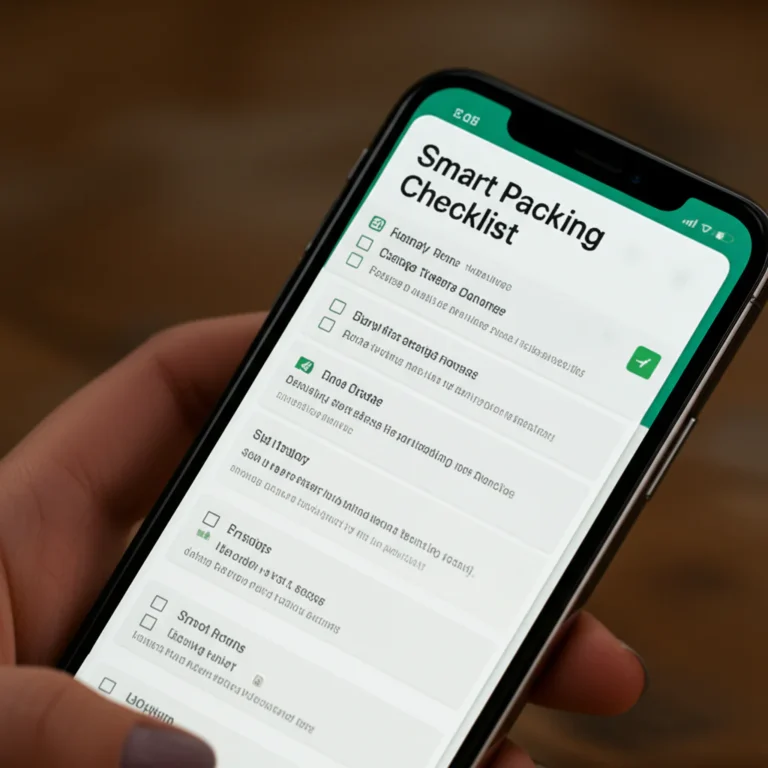
- Overwhelm: Break packing into small sessions; use a checklist app like Moving Checklist™ to stay on track.
- Sentimental attachment: Set a timer to limit time spent on nostalgic items; take photos to preserve memories without keeping everything.
- Lack of supplies: Stock up early; don’t wait until the last minute.
- Fragile item damage: Use quality packing materials and double-wrap delicate items.
- Disorganization: Label boxes clearly and keep an inventory spreadsheet.
The Emotional Side of Packing: Handling Sentimental Items
Packing isn’t just physical—it’s emotional. Sentimental items can slow you down or cause stress. Here’s how to handle them:
- Create a “memory box” for keepsakes you want to keep but don’t need daily access to.
- Digitize photos and documents to reduce physical clutter.
- Ask for help: Sometimes a friend’s perspective helps you decide what to keep.
- Set limits: For example, one box per family member for sentimental items.
- Remember: Moving is a fresh start, not a loss.
Tech-Savvy Packing: Using Apps and Tools to Stay Organized
Want to pack smarter, not harder? Technology is your friend! Here are some tools we love:
- Moving Checklist™ App: Organize tasks, track packing progress, and get reminders.
- Sortly: Inventory your belongings with photos and tags.
- Google Keep or Evernote: Make packing lists and notes accessible on the go.
- Label Maker: Print clear, consistent box labels.
- Packing Calculator Tools: Estimate how many boxes and supplies you need.
Using these tools can save you hours and keep stress at bay.
Conclusion: Which Room Takes the Longest and How to Tame It
So, which room in the house takes the longest to pack? Without a doubt, the kitchen reigns supreme as the ultimate time-sucker. With its fragile dishes, bulky appliances, and endless assortment of utensils and pantry items, it demands patience, planning, and plenty of bubble wrap. Bedrooms come in a close second, thanks to the sheer volume of clothing and sentimental treasures. But fear not! With the right strategy—starting with decluttering, gathering quality packing supplies, and tackling rooms methodically—you can transform packing from a dreaded chore into a manageable, even satisfying, process.
Remember the golden rules: start early, pack smart, and don’t be afraid to ask for help. Use tools like the Moving Checklist™ app to stay organized and keep your sanity intact. And if you’re feeling overwhelmed, consider hiring professional packers for the trickiest rooms—they save time and protect your valuables.
Packing doesn’t have to be a marathon of stress. With our insider tips and your newfound knowledge, you’re ready to conquer the packing puzzle and make your move hassle-free. Happy packing! 🎉
Recommended Links for Packing and Moving
Ready to gear up for your move? Here are some top-rated packing supplies and helpful resources to get you started:
-
U-Haul Dish Pack Boxes:
Amazon | Walmart | U-Haul Official Website -
U-Haul Moving Supplies Kit (boxes, tape, bubble wrap):
Amazon | Walmart | U-Haul Official Website -
Books to Help You Master Moving and Packing:
FAQ: Your Burning Questions About Packing Times Answered
What are the most time-consuming items to pack in a house?
The kitchen items top the list, especially fragile dishes, glassware, and appliances. These require careful wrapping and specialized boxes. Bedrooms follow closely due to the volume of clothing, shoes, and sentimental items. Electronics and paperwork in home offices also take considerable time because of the need for organization and labeling. Finally, garages and basements can be unexpectedly time-consuming due to clutter and bulky items.
How can I create a packing plan to reduce moving stress?
Start by decluttering to reduce what you need to pack. Then, gather all necessary packing supplies in advance. Use a room-by-room approach, beginning with non-essential spaces like storage or guest rooms. Label boxes clearly and keep an inventory. Set a realistic schedule, breaking packing into manageable daily tasks. Use apps like the Moving Checklist™ to track progress and get reminders. Don’t forget to pack a “first-night” essentials box for easy access after the move.
Which packing supplies do I need to pack each room efficiently?
- Kitchen: Dish pack boxes, bubble wrap, packing paper, sturdy tape.
- Bedrooms: Wardrobe boxes, vacuum-seal bags, small boxes for shoes and accessories.
- Living Room: Electronics boxes, bubble wrap, furniture blankets.
- Home Office: File boxes, cable labels, padded boxes for tech.
- Bathroom: Plastic tubs with lids, masking tape for securing caps.
- General: Sharpie markers, packing tape, scissors, and gloves.
Investing in quality supplies like U-Haul boxes and Duck Brand bubble wrap can save time and protect your belongings.
What is the average time it takes to pack a house for moving?
Packing time varies by home size and belongings but expect:
- Small apartment: 10-20 hours
- 2-3 bedroom home: 25-50 hours
- 4+ bedroom home: 50+ hours
The kitchen alone can take 8-12 hours, bedrooms 4-8 hours each, and living rooms 4-7 hours. These estimates assume moderate clutter and some help. Starting early and decluttering can significantly reduce these times.
Reference Links and Resources
For further reading and verification, check out these reputable sources:
- How Long Does It Take to Pack an Entire House? | Beltway Movers DMV
- Goodwill Donation Information
- Salvation Army Donation Guidelines
- U-Haul Moving Supplies
- Moving Checklist™ App
- Bekins Packing Tips and Time Estimates
- HomeLight Packing Guide
Ready to pack like a pro? Dive into our Moving Essentials and Moving Day Checklist for more expert tips!