Support our educational content for free when you purchase through links on our site. Learn more
🏙️ 15 Critical Things to Consider When Relocating to a New City (2026)

The single most important thing to consider when relocating is not just the rent price, but the total cost of living combined with a verified job market and a neighborhood safety profile that matches your lifestyle. When you ask yourself, “What are the most important things to consider when relocating to a new city?”, the answer lies in balancing your financial runway with the reality of daily commutes and community fit before you ever sign a lease.
We once watched a young couple move to a trendy downtown district because the Instagram photos looked perfect, only to realize three months later that their “walkable” neighborhood required a 45-minute drive to the nearest grocery store and their new salary barely covered the inflated utility bills. It’s a classic case of falling in love with a brochure instead of the actual city.
According to recent data, nearly 15% of movers cite finding a “better place to live” as their primary motivation, yet a significant portion regret their decision within the first year due to unforeseen cultural or financial clashes. Don’t let your big move become a cautionary tale; preparation is the only way to turn a risky gamble into a fresh start.
Key Takeaways
- Budget Beyond Rent: Always calculate the total cost of living, including taxes, utilities, and insurance, not just the monthly rent or mortgage payment.
- Verify the Job Market: Ensure your industry is thriving in the new location and that your current employer supports remote work if you plan to stay employed.
- Test the Neighborhood: Never rent or buy “sight unseen”; visit at different times of day to check safety, noise levels, and commute times.
- Plan for the Social Shift: Acknowledge that building a new social network takes 6–12 months and start connecting with locals before you arrive.
- Prepare for Legal Changes: Don’t forget to update your driver’s license, vehicle registration, and voter registration within the state-mandated timeframe.
Table of Contents
- ⚡️ Quick Tips and Facts
- 🏙️ The Evolution of Urban Relocation: Why Moving Cities Has Changed
- 📊 15 Critical Factors to Consider When Moving to a New City
- 1. Cost of Living and Budgeting Realities
- 2. Job Market Stability and Career Trajectory
- 3. Neighborhood Vibe and Safety Ratings
- 4. Commute Times and Public Transit Reliability
- 5. School Districts and Educational Resources
- 6. Healthcare Access and Quality of Care
- 7. Climate, Weather Patterns, and Seasonal Adjustments
- 8. Tax Burdens: Income, Property, and Sales Taxes
- 9. Housing Market Trends: Renting vs. Buying
- 10. Local Culture, Diversity, and Community Spirit
- 1. Lifestyle Amenities: Parks, Dining, and Entertainment
- 12. Pet-Friendliness and Veterinary Services
- 13. Internet Infrastructure and Connectivity Speeds
- 14. Political Climate and Civic Engagement
- 15. Future Growth and Urban Development Plans
- 🧭 How to Research a City Before You Pack Your Boxes
- 💰 Financial and Legal Preparations for a Cross-City Move
- 🏠 Neighborhood Selection: Finding Your Perfect Fit
- 💼 Employment and Career Factors in Your New Location
- 🌦️ Climate and Weather Patterns: Are You Ready for the Change?
- 📝 The Ultimate Checklist for Moving to a New City
- 🚚 What to Do When You Move to a New City: The First 30 Days
- 🤝 Building a Social Network in an Unfamiliar Place
- 🎒 Things to Think About for Specific Situations
- Relocating with Children and Teenagers
- Moving with Pets: A Guide for Furry Friends
- Remote Workers and Digital Nomads
- Seniors and Downsizing Moves
- 🚀 Tips for Relocating Successfully: Avoiding Common Pitfalls
- 🏁 Final Thoughts on Planning a Move
- 🛠️ We Make It Easier: How Professional Movers Can Help
- 🗺️ How Local Moves Work: Costs and Logistics Explained
- 🏡 Residential Movers: A Homeowner’s Guide to Moving Houses
- 🎹 Specialized Item Moving: Pricing for Pianos and Fragile Goods
- ✅ Conclusion
- 🔗 Recommended Links
- ❓ FAQ
- 📚 Reference Links
⚡️ Quick Tips and Facts
Before you start frantically Gogling “how to move to a new city,” let’s hit the pause button and drop some hard truths straight from the Moving Checklist™ trenches. We’ve seen it all: the couple who moved to a “bustling” downtown only to realize “bustling” meant a 45-minute commute to the nearest grocery store, and the solo professional who packed their entire life into a U-Haul without checking the local humidity, only to watch their wooden furniture warp in three days.
Here is the golden rule of relocation: Preparation beats panic every single time.
- The 30% Rule: Never spend more than 30% of your pre-tax income on housing. If you ignore this, you’ll be eating instant noodles for a year.
- The “Sight Unseen” Trap: Renting a place you’ve never seen is like buying a cat blindfolded. It might be a Persian, or it might be a hairless Sphynx that hates you. Always visit, or at least do a live video tour.
- The Adjustment Period: It takes an average of 6 months to a year to truly feel “at home” in a new city. Don’t judge your decision in the first week of culture shock.
- Budget Buffer: Always add a 20% buffer to your moving budget. Unexpected fees (like elevator reservations or stair fees) love to sneak up on you.
- The “Plan B” Mandate: As our friends in the video industry say, “Make sure to have a plan B in place before making any changes to your life that may be considered permanent.” What if the job falls through? What if the neighborhood is a no-go? Have an exit strategy.
Ready to dive deeper? Let’s start by understanding how we got here and why moving cities is more complex than just throwing boxes in a truck.
🏙️ The Evolution of Urban Relocation: Why Moving Cities Has Changed
Moving used to be a rite of passage for the brave: a wagon, a horse, and a prayer. Today, it’s a data-driven, algorithm-optimized, high-stakes gamble. The landscape of urban relocation has shifted dramatically. In the past, people moved primarily for jobs or family. Now, according to the 2024-25 HireAHelper Migration Report, 14.95% of people moved specifically to find a “new or better place to live,” and 7.5% moved for cheaper housing.
We are no longer just chasing paychecks; we are chasing lifestyle. The rise of remote work has decoupled location from employment, allowing people to flee high-cost areas for sunier, cheaper climates. But this freedom comes with a catch: the cost of living in these “new” hubs is skyrocketing as everyone else has the same idea.
“When you arrive [in your new city], you can take leisurely walks, drives, or public transport to check out interesting spots along the way. This is the best way to find great local bakeries and hole-in-the-wall diners that can become new go-to places.” — HireAHelper Blog
The modern mover must be part detective, part economist, and part sociologist. You aren’t just moving your stuff; you’re moving your entire ecosystem.
📊 15 Critical Factors to Consider When Moving to a New City
We’ve compiled the ultimate list of 15 critical factors to ensure you don’t end up regreting your decision. While some sources might list 5 or 7 factors, we believe in thoroughness. If you miss one of these, you might find yourself paying for snow tires in Miami or realizing your “quiet” neighborhood is next to a highway.
1. Cost of Living and Budgeting Realities
This is the big one. It’s not just about rent; it’s about the total cost of living.
- Housing: Compare rent vs. mortgage, property taxes, and HOA fees.
- Daily Expenses: Groceries, utilities, and entertainment vary wildly. A latte in San Francisco costs double what it does in Cleveland.
- Variable Costs: Car insurance rates can differ by state, and parking permits in dense cities can be a monthly subscription you didn’t sign up for.
Actionable Tip: Use a Cost of Living Calculator (like those from Bankrate or Nerdwallet) to see exactly how much you need to earn to maintain your current lifestyle.
2. Job Market Stability and Career Trajectory
Even if you have a job lined up, look at the big picture.
- Major Industries: Is the city’s economy reliant one sector (e.g., oil, tech, tourism)? If that sector crashes, your city crashes.
- Unemployment Rates: Check the local unemployment stats. A low rate is good, but a too low rate might mean it’s hard to find a new job if you need one.
- Networking: Are there professional associations and meetups for your field?
3. Neighborhood Vibe and Safety Ratings
Don’t just look at the house; look at the block.
- Safety: Use tools like Neighborhood Scout or Family Watchdog to check crime rates.
- Vibe: Is it a party central? A quiet suburb? A family enclave?
- Walkability: Check the Walk Score to see if you can live without a car.
4. Commute Times and Public Transit Reliability
A 30-minute commute on paper can turn into a 90-minute nightmare in reality.
- Peak Hours: Drive the route during rush hour before you sign the lease.
- Public Transit: If you plan to ditch the car, check the transit maps and reliability. Is the bus late every day? Does the train stop running at 10 PM?
5. School Districts and Educational Resources
Even if you don’t have kids, school districts matter.
- Property Values: Homes in top-rated school districts hold their value better.
- Future Proofing: If you plan to have kids later, or if you have aging parents who might need specialized education, check the GreatSchools ratings.
6. Healthcare Access and Quality of Care
Your health is your wealth.
- Providers: Are there specialists for your specific needs?
- Insurance: Does your current insurance network cover doctors in the new city?
- Hospitals: Check the proximity top-rated hospitals and urgent care centers.
7. Climate, Weather Patterns, and Seasonal Adjustments
Can you handle the humidity? The snow? The heat?
- Seasonal Costs: Heating bills in Minnesota vs. AC bills in Arizona.
- Natural Disasters: Research risks like hurricanes, earthquakes, or wildfires.
- Lifestyle Impact: Does the weather limit your outdoor activities for half the year?
8. Tax Burdens: Income, Property, and Sales Taxes
Some states have no income tax, but high sales or property taxes.
- State Income Tax: Check if the state has one.
- Property Tax: This can vary even within the same city.
- Sales Tax: Affects everything you buy.
9. Housing Market Trends: Renting vs. Buying
Is it a renter’s market or a buyer’s market?
- Inventory: Are there plenty of listings, or is it a bidding war?
- Trends: Are prices rising or falling?
- Rent Control: Some cities have rent control laws that protect tenants.
10. Local Culture, Diversity, and Community Spirit
Will you fit in?
- Diversity: Is the city welcoming to people from your background?
- Community: Are there cultural centers, places of worship, or community groups?
- Dating Scene: If you’re single, check out local dating apps and social scenes.
1. Lifestyle Amenities: Parks, Dining, and Entertainment
What will you do on a Saturday night?
- Parks: Are there green spaces for jogging or picnics?
- Dining: Is there a food scene that matches your tastes?
- Entertainment: Museums, theaters, sports teams, concerts.
12. Pet-Friendliness and Veterinary Services
If you have fur babies, this is non-negotiable.
- Pet Policies: Are rentals pet-friendly? Are there breed restrictions?
- Vets: Are there good veterinarians nearby?
- Parks: Are there dog parks and off-leash areas?
13. Internet Infrastructure and Connectivity Speeds
For remote workers, this is as important as electricity.
- Providers: Who offers service? Is it fiber, cable, or DSL?
- Speed: Are speeds reliable for video calls?
- Cost: How much does high-speed internet cost?
14. Political Climate and Civic Engagement
Does the local government align with your values?
- Laws: Check local laws on gun control, abortion, voting, etc.
- Civic Engagement: How active is the community in local politics?
15. Future Growth and Urban Development Plans
Is the city growing or shrinking?
- Development: Are there new infrastructure projects?
- Population Trends: Is the population increasing or declining?
- Economic Health: A thriving local economy provides security and opportunities for career growth.
🧭 How to Research a City Before You Pack Your Boxes
You wouldn’t buy a house without an inspection, so why move to a city without a “test drive”? Here is our step-by-step guide to researching a city effectively.
Step 1: The Digital Deep Dive
Start with the data.
- Niche.com: Great for finding the “best places to live” based on reviews.
- City-data.com: A goldmine for detailed demographic and economic data.
- Subreddits: Search for
r/[CityName]. Read the complaints and the praises. It’s the unfiltered truth. - Google Maps: Switch to “Street View” and walk the neighborhood virtually. Look for potholes, graffiti, and the condition of the houses.
Step 2: The Physical Reconaissance
If possible, visit the city for a few days.
- Timing: Visit on a weekday and a weekend.
- Activities: Go to the grocery store, the gym, and the coffee shop. Talk to locals.
- Housing: If you’re renting, book a short-term rental (like an Airbnb) for a month to explore neighborhoods before signing a lease.
Step 3: The Human Element
- Interview Residents: Ask people you meet about the pros and cons.
- Join Online Groups: Join Facebook groups or Nextdoor communities for the specific neighborhoods you’re interested in.
“Don’t be shy and take advantage of the opportunity to ask questions and find a property that works best for you.” — First Video Perspective
💰 Financial and Legal Preparations for a Cross-City Move
Money talks, and in a move, it screams. You need a bulletproof budget and a legal checklist.
The Moving Budget Breakdown
Don’t just guess. Create a spreadsheet.
- Moving Costs: Professional movers vs. truck rental vs. hybrid (labor only).
- Travel: Flights, hotels, gas, food on the road.
- Security Deposits: First and last month’s rent, utility deposits.
- Living Expenses: Save for 3–6 months of living expenses in case of job loss.
- Buffer: Add 20% for the unexpected.
Legal and Administrative Checklist
- USPS Change of Address: Do this early.
- Driver’s License: Most states require you to update your license within 30–90 days.
- Vehicle Registration: Update your car registration and insurance.
- Voter Registration: Don’t forget to vote!
- Immigration: If you are an immigrant, you must update your address with USCIS within 10 days.
🏠 Neighborhood Selection: Finding Your Perfect Fit
Choosing a neighborhood is like choosing a partner: it’s personal, and you have to live with the consequences.
The “Three-Block” Test
Before you fall in love with a house, walk three blocks in every direction.
- Noise: Is there a train track? A highway? A bar?
- Amenities: Is there a grocery store within walking distance?
- Safety: Does it feel safe at night?
Renting vs. Buying
- Renting: More flexibility, less maintenance, but no equity.
- Buying: Equity, stability, but high maintenance and less flexibility.
💼 Employment and Career Factors in Your New Location
Your job is the anchor of your move. But what if the job falls through?
Networking Before You Move
- LinkedIn: Connect with people in your industry in the new city.
- Professional Associations: Join local chapters.
- Meetup: Find industry-specific groups.
Negotiating Relocation Packages
If your employer is moving you, negotiate.
- Coverage: Ask if they cover moving expenses, temporary housing, or home sale assistance.
- Tax Implications: Relocation benefits are often taxable.
🌦️ Climate and Weather Patterns: Are You Ready for the Change?
We’ve all seen the memes of people from California trying to shovel snow. Don’t be that person.
Seasonal Adjustments
- Wardrobe: Do you need a heavy coat? Snow tires?
- Home Maintenance: Do you need a generator for power outages? A dehumidifier?
- Health: Do you have seasonal allergies? Check the pollen count.
📝 The Ultimate Checklist for Moving to a New City
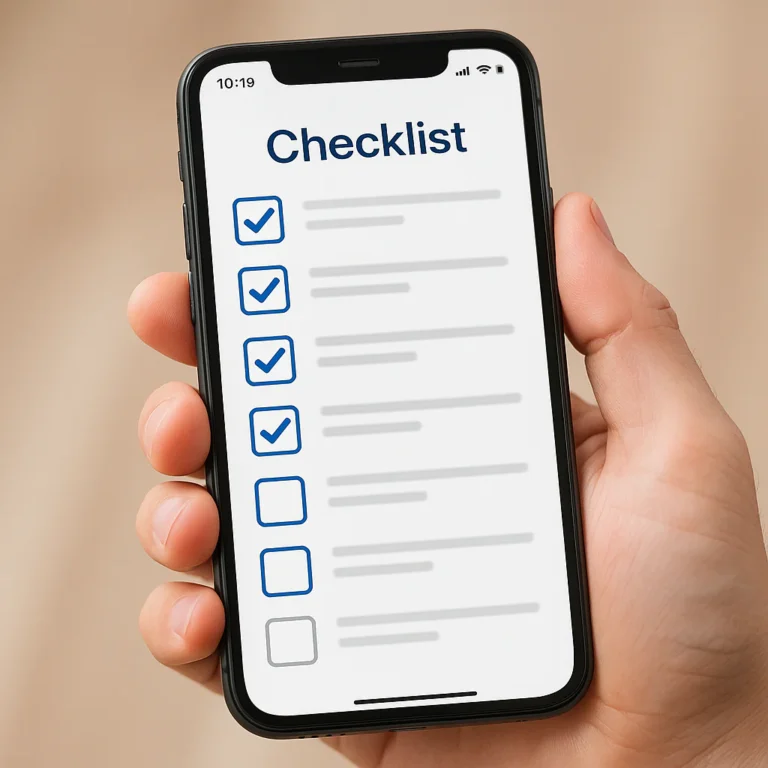
We at Moving Checklist™ believe in organization. Use our app to track every step.
3 Months Before
- Research neighborhoods and housing.
- Visit the city.
- Get moving quotes.
- Declutter and start packing.
- Research schools and healthcare.
2 Months Before
- Secure housing.
- Book movers or rent a truck.
- Schedule utilities.
- Update address with banks and insurers.
1 Month Before
- Submit USPS change of address.
- Arrange school transfers.
- Confirm moving logistics.
- Plan travel.
Moving Week
- Pack essentials.
- Confirm with movers.
- Final walkthrough.
- Prepare document folder.
🚚 What to Do When You Move to a New City: The First 30 Days
You’ve arrived. Now what?
Week 1: Survival Mode
- Unpack Essentials: Bed, bathroom, kitchen.
- Explore: Find the nearest grocery store, pharmacy, and coffee shop.
- Register: Update your driver’s license and car registration.
Week 2-4: Integration
- Find Providers: Find a new doctor, dentist, and vet.
- Join Groups: Sign up for a class, a sports league, or a volunteer group.
- Explore: Try new restaurants and parks.
“Building meaningful friendships takes time, and it’s normal to feel lonely initially.” — Element Moving
🤝 Building a Social Network in an Unfamiliar Place
Loneliness is the silent killer of new moves. Here’s how to fix it.
Digital Tools
- Meetup: Find groups based on interests.
- Bumble BFF: Find friends, not dates.
- Nextdoor: Connect with neighbors.
Real Life
- Become a Regular: Go to the same coffee shop at the same time.
- Volunteer: It’s a great way to meet like-minded people.
- Join a Club: Book clubs, running clubs, board game groups.
🎒 Things to Think About for Specific Situations
Not everyone moves the same way. Here are some specific considerations.
Relocating with Children and Teenagers
- Schools: Research schools early.
- Involvement: Involve kids in the process. Let them pick their room colors.
- Routines: Maintain routines as much as possible.
Moving with Pets: A Guide for Furry Friends
- Vets: Find a new vet before you move.
- Policies: Verify pet-friendly housing.
- Leash Laws: Understand local leash laws.
Remote Workers and Digital Nomads
- Internet: Test the internet speed before signing a lease.
- Coworking: Find a coworking space for social interaction.
- Time Zones: If you work with a global team, consider the time zone.
Seniors and Downsizing Moves
- Accessibility: Ensure the new home is accessible.
- Healthcare: Proximity to hospitals is crucial.
- Social: Look for communities with social activities.
🚀 Tips for Relocating Successfully: Avoiding Common Pitfalls
We’ve seen the mistakes. Don’t make them.
Under-budgeting
Always add a 20% buffer.
Insufficient Research
Don’t rely on a single weekend visit.
Romanticizing
Be realistic about affordability and lifestyle challenges.
Over-packing
Declutter. You don’t need that box of old magazines.
Isolation
Don’t live and work alone. Get out there!
🏁 Final Thoughts on Planning a Move
Moving is a marathon, not a sprint. It’s stressful, but it’s also an adventure. Remember the Plan B. Remember that it takes time to adjust. And remember that preparation is the key to a smooth move.
🛠️ We Make It Easier: How Professional Movers Can Help
Sometimes, you just need a hand. Professional movers can handle the heavy lifting, the packing, and the logistics.
Why Hire Pros?
- Efficiency: They do it faster.
- Safety: They know how to handle fragile items.
- Stress Reduction: You can focus on the new city, not the boxes.
🗺️ How Local Moves Work: Costs and Logistics Explained
Local moves are different from long-distance ones.
- Pricing: Usually charged by the hour.
- Logistics: Need to coordinate with building management for elevators and parking.
🏡 Residential Movers: A Homeowner’s Guide to Moving Houses
Moving a house is a big deal.
- Preparation: Declutter, pack, and prepare the home.
- Logistics: Coordinate with the new home’s sellers and the movers.
🎹 Specialized Item Moving: Pricing for Pianos and Fragile Goods
Some items need special care.
- Pianos: Upright, grand, and stair pricing vary.
- Fragile Items: Art, antiques, and electronics need extra protection.
✅ Conclusion

So, are you ready to make the leap? Moving to a new city is a transformative experience that requires careful planning, a flexible mindset, and a solid checklist. From the 15 critical factors we’ve discussed to the specific situations that might apply to you, the key is to research thoroughly and prepare for the unexpected.
Remember, the cost of living isn’t just about rent; it’s about the lifestyle you want to live. The neighborhood you choose will define your daily happiness. And the social network you build will determine how quickly you feel at home.
Don’t let the fear of the unknown stop you. Use the tools we’ve recommended, like Niche, Walk Score, and our very own Moving Checklist™ app, to navigate the process. And if you get stuck, remember that professional movers are there to help.
Final Recommendation: If you are serious about moving, start your research today. Create your budget, visit the city, and build your checklist. The new city is waiting for you!
🔗 Recommended Links
Moving Supplies & Gear
- Moving Boxes: Amazon Moving Boxes | U-Haul Moving Boxes
- Packing Tape: Amazon Packing Tape | U-Haul Packing Tape
- Bubble Wrap: Amazon Bubble Wrap | U-Haul Bubble Wrap
- Furniture Covers: Amazon Furniture Covers | U-Haul Furniture Covers
Books on Moving
- The Moving Book: Amazon: The Moving Book
- Relocation Guides: Amazon: Relocation Guides
Professional Services
- HireAHelper: HireAHelper
- Element Moving: Element Moving
❓ FAQ

How can a checklist app help me organize my city relocation?
A checklist app like Moving Checklist™ acts as your central command center. It breaks down the overwhelming process of relocation into manageable, bite-sized tasks. Instead of trying to remember every detail—from notifying the post office to finding a new vet—the app provides a structured timeline and reminders. It ensures you don’t miss critical steps like updating your driver’s license or transferring medical records. Plus, it allows you to track your progress, reducing stress and keeping you on schedule.
Read more about “🚚 2 Weeks Before Moving: The Ultimate 14-Day Survival Guide (2026)”
What are the essential items to include in a moving checklist for a new city?
Your checklist should cover three main phases: Pre-Move, Moving Day, and Post-Move.
- Pre-Move: Research neighborhoods, secure housing, book movers, declutter, notify banks, and schedule utilities.
- Moving Day: Pack essentials, confirm with movers, do a final walkthrough, and prepare a “first-night” box.
- Post-Move: Unpack essentials, update address with USPS, register vehicle, find new doctors, and join local groups.
Read more about “12 Often-Overlooked Moving Details You Can’t Ignore (2026) 🏠”
How do I find the best neighborhoods using a digital moving planner?
Digital tools are your best friend. Use Niche.com for overall neighborhood ratings, Walk Score for walkability, and Neighborhood Scout for safety data. Cross-reference these with Google Maps Street View to get a visual feel for the area. Join local Facebook groups and Nextdoor communities to get the “insider” scoop from residents. Don’t forget to visit the neighborhood at different times of the day to get a true sense of the vibe.
Read more about “The Ultimate Moving Planner: Your Comprehensive Guide to a Stress-Free Move … ✅”
What common mistakes should I avoid when moving to a new city?
- Under-budgeting: Always add a 20% buffer to your budget for unexpected costs.
- Insufficient Research: Don’t rely on a single weekend visit. Investigate costs, jobs, and social scenes deeply.
- Romanticizing: Be realistic about affordability and lifestyle challenges.
- Over-packing: Declutter to reduce moving costs and unpacking time.
- Isolation: Avoid living and working alone; consider roomates or in-office jobs to build community faster.
Read more about “15 Best Moving Checklist Apps with Collaboration Tools in 2026 🚚✨”
📚 Reference Links
- HireAHelper: Factors to Consider When Moving to a New City
- Element Moving: The Complete Guide: Essential Things to Consider When Moving to a New City
- USA Hello: How to Move to the USA
- Bankrate: Cost of Living Calculator
- Nerdwallet: Cost of Living Calculator
- Walk Score: Walk Score
- GreatSchools: GreatSchools
- Neighborhood Scout: Neighborhood Scout
- Family Watchdog: Family Watchdog
- Niche: Niche
- City-Data: City-Data
- USPS: Change of Address
- USCIS: Change of Address
- AirNow: AirNow
- Eventbrite: Eventbrite
- Meetup: Meetup
- Bumble BFF: Bumble
- Zillow: Zillow
- Apartments.com: Apartments.com
- Move.org: Printable Moving Checklist