Support our educational content for free when you purchase through links on our site. Learn more
101 Moving Abroad Checklist & Tips You Can’t Afford to Miss (2026) 🌍

So, you’re gearing up to swap your hometown for a new life overseas? Whether it’s the allure of cobblestone streets in Europe, tropical beaches in Southeast Asia, or bustling urban jungles in the Americas, moving abroad is a thrilling adventure — but also one of the most complex logistical puzzles you’ll ever face. Did you know that over 280 million people worldwide are international migrants, yet nearly half admit to feeling overwhelmed by the moving process? That’s where we come in.
At Moving Checklist™, we’ve helped thousands of expats dodge the common pitfalls and nail every step of their relocation with our expert-tested, ultra-detailed 101-item checklist. From navigating visa paperwork and international shipping to managing culture shock and pet passports, this guide covers every angle with insider tips, real-life anecdotes, and actionable advice. Curious about how to avoid losing your luggage or what to pack in your “first night” box? Keep reading — we’ve got you covered!
Key Takeaways
- Start planning 3–6 months ahead to avoid last-minute chaos and costly mistakes.
- Use a comprehensive checklist (like our 101-item Moving Checklist™) to track every detail from visas to pet travel.
- Declutter ruthlessly — shipping costs can skyrocket if you bring unnecessary items.
- Secure international health insurance and understand local healthcare before you go.
- Prepare for culture shock and build a support network in your new home.
- Leverage technology: apps for checklists, language learning, and VPNs are game-changers.
- Don’t forget your furry friends — pet relocation requires months of preparation and paperwork.
Ready to move abroad with confidence? Dive into our ultimate guide and turn your dream into a smooth reality!
Table of Contents
- ⚡️ Quick Tips and Facts
- 🌍 The Evolution of the Expat Dream: A History of International Relocation
- 🗺️ Your Step-by-Step Guide to Preparing for Your Overseas Relocation
- 📋 101 Essential Items for Your Moving Abroad Checklist
- 🛫 Pre-Moving Logistics: Critical Tasks Before You Board
- 🩺 The Global Health Checklist: Staying Fit Across Borders
- 🏠 Finding Your Home Away From Home: International Real Estate Tips
- 💰 Banking, Taxes, and Managing International Accounts
- 🎒 Moving Abroad With Children: Schools, Transition, and Sanity
- 🐾 Paws and Passports: Moving Your Pet Abroad Safely
- 🛬 Post-Moving Checklist: Your First 30 Days in the Host Country
- 🛡️ Protecting Your Journey: Let Us Help You With Your Insurance Needs
- 📩 Join the Moving Checklist™ Community: Sign Up Today!
- ✨ Conclusion
- 🔗 Recommended Links
- ❓ FAQ: Everything You’re Too Afraid to Ask About Moving Abroad
- 📚 Reference Links
⚡️ Quick Tips and Facts
So, you’ve decided to trade your local coffee shop for a Parisian café or a beachside stall in Bali? Bold move! Before you start packing your life into cardboard boxes, here’s the “too long; didn’t read” version of what you need to know.
| Feature | The “Moving Abroad” Reality Check |
|---|---|
| Lead Time | Start planning at least 6 months in advance. Seriously. |
| Passport Validity | Most countries require 6+ months of validity remaining to issue a visa. |
| The “Golden Rule” | If you haven’t used it in a year, sell it, donate it, or trash it. Shipping is pricey! |
| Digital Paperwork | Scan everything. Store it on a secure cloud like Google Drive or Dropbox. |
| Culture Shock | It’s real. It usually hits around the 3-month mark. Prepare your heart! |
Pro Tip: Always carry a physical “Emergency Folder” with copies of your birth certificate, marriage license, and visa documents. Technology is great until your phone dies at a foreign customs desk! 🛂
🌍 The Evolution of the Expat Dream: A History of International Relocation

Moving abroad isn’t just for 18th-century explorers or 1960s diplomats anymore. In the past, “relocating” meant a one-way steamship ticket and a prayer that your letters would reach home in six months.
Today, we live in the era of the Digital Nomad and the Global Citizen. Thanks to the rise of remote work (shoutout to Zoom and Slack!), the barriers to entry have crumbled. According to the United Nations, there are over 281 million international migrants globally. Whether it’s for better career opportunities, a lower cost of living, or just a desperate need for better weather, the world has become a much smaller place.
We’ve seen the “Expat” identity shift from wealthy corporate transfers to adventurous families and solo freelancers. But here’s the kicker: while the reason for moving has changed, the stress of logistics remains the same. That’s where we come in. We’ve seen the good, the bad, and the “why-is-my-shipping-container-in-the-middle-of-the-Atlantic” ugly.
🗺️ Your Step-by-Step Guide to Preparing for Your Overseas Relocation
Moving across the world is like eating an elephant: you have to do it one bite at a time. (Metaphorically, of course. We love elephants 🐘).
Step 1: The Research Phase
Don’t just pick a country because the Instagram photos look fire. Look at visa requirements, tax laws, and healthcare systems. Use sites like Numbeo to compare the cost of living between your current city and your destination.
Step 2: The Purge
We’re going to be honest: your 110V toaster will not work in London, and shipping your heavy oak dresser to Tokyo will cost more than the dresser is worth. Sell your stuff on Facebook Marketplace or eBay.
Step 3: The Paperwork Marathon
This is the least “sexy” part of moving, but the most vital. You’ll need to navigate the apostille process for legal documents. This is basically a fancy international certification that proves your documents are legit.
📋 101 Essential Items for Your Moving Abroad Checklist
Why settle for a top 10 list when you can have the full 101? We’ve outdone the competition to ensure you don’t miss a single beat.
- Check passport expiration date (ensure 1+ year remains).
- Apply for the correct visa (Work, Student, Digital Nomad, or Retirement).
- Book an international moving company (Get quotes from FIDI accredited movers).
- Request an International Driving Permit (IDP) via AAA.
- Unlock your smartphone so it accepts foreign SIM cards.
- Notify your bank of your travel plans.
- Open a multi-currency account with Wise (formerly TransferWise).
- Cancel local subscriptions (Gym, Netflix, Wine Club).
- Redirect your mail using a service like Anytime Mailbox.
- Get a full physical checkup.
- Visit the dentist (it’s often cheaper at home!).
- Obtain copies of medical records.
- Check vaccination requirements for your destination via the CDC.
- Stock up on prescription meds (get a 90-day supply).
- Translate your birth certificate (if moving to a non-English speaking country).
- Get your marriage certificate apostilled.
- Research international schools if you have kids.
- Apply for pet import permits.
- Book pet travel with a specialist like PetRelocation.
- Sell your car.
- Cancel your car insurance.
- Give notice to your landlord or list your home for sale/rent.
- Buy travel insurance for the transition period (we recommend World Nomads).
- Research local “Expat” Facebook groups in your new city.
- Download offline maps on Google Maps.
- Learn basic phrases in the local language using Duolingo.
- Check the voltage of your electronics (buy adapters!).
- Set up a VPN (like ExpressVPN) to access home content.
- Notify the IRS/Tax authorities of your move.
- Appoint a Power of Attorney in your home country for emergencies.
- Organize a “First Night” box (essentials for when you arrive).
- Digitize all family photos.
- Cancel utility bills (Gas, Water, Electric).
- Settle any outstanding local fines or tickets.
- Update your LinkedIn profile.
- Get a “Certificate of Good Conduct” (Police background check).
- Research local emergency numbers (it’s not always 911!).
- Buy high-quality luggage (check out Away or Samsonite).
- Check baggage weight limits for your specific airline.
- Set up an international health insurance policy (e.g., Cigna Global).
- Cancel your voter registration (or set up an absentee ballot).
- Inform your children’s current school and get transcripts.
- Get an international credit card with no foreign transaction fees (like Chase Sapphire Reserve).
- Research the “Culture Shock” stages.
- Pack a supply of your favorite “hard to find” snacks.
- Check if your professional licenses transfer.
- Secure temporary accommodation (AirBnb or hotel) for the first 2 weeks.
- Confirm the shipping date for your container.
- Take photos of all high-value items for insurance.
- Create a “Master Moving Spreadsheet”.
- Notify your employer (if not a transfer).
- Update your CV/Resume to local standards.
- Research local public transport (get the Moovit app).
- Check for “Exit Taxes” in your home country.
- Gather all pet vaccination records.
- Buy a local SIM card upon arrival (or use Airalo for eSim).
- Register with your embassy in the host country.
- Find a local “Fixer” or relocation agent.
- Research local customs and etiquette (e.g., tipping culture).
- Set up a Skype or Zoom schedule for family back home.
- Check if you need a “Yellow Fever” card.
- Verify the safety of tap water in your new home.
- Pack weather-appropriate clothing for the first month.
- Get a “No Claims” letter from your car insurance (to save money abroad).
- Research local bank account requirements.
- Check for double taxation treaties.
- Set up a “Going Away” party (don’t skip the goodbyes!).
- Measure your new home (if possible) before shipping furniture.
- Buy a universal power strip.
- Check the “Best Before” dates on your pantry items (eat them or toss them!).
- Empty and defrost your fridge 24 hours before moving.
- Back up your computer to an external hard drive.
- Carry some local currency in cash for the airport.
- Research local grocery store chains.
- Find the nearest hospital to your new home.
- Check for “Expat Taxes” (especially for US citizens).
- Organize your “Vital Documents” folder.
- Label every box with the room and contents.
- Pack a “Survival Kit” (Leatherman, flashlight, basic tools).
- Check the climate (Do you need a heavy coat or a dehumidifier?).
- Research local holidays (don’t arrive on a day everything is closed!).
- Set up a “Google Alert” for news in your new city.
- Find a local pharmacy.
- Learn the metric system (if you’re from the US).
- Check for “Squatter’s Rights” or local tenant laws.
- Get a local ID card as soon as possible.
- Join “Newcomers” clubs.
- Research local trash/recycling rules.
- Set up a local “Emergency Contact”.
- Check for mold or pests in your new rental.
- Learn how to use the local stove/oven (they vary!).
- Find a local “Handyman”.
- Research local religious or community centers.
- Check for “Value Added Tax” (VAT) refunds on your way out.
- Ensure your kids have their favorite toys in their carry-on.
- Take a deep breath.
- Double-check the flight time.
- Charge all devices.
- Say goodbye to your favorite local park.
- Keep your sense of humor.
- Celebrate! You’re doing it!
🛫 Pre-Moving Logistics: Critical Tasks Before You Board
The final 30 days are a whirlwind of tape, Sharpies, and “where did I put my keys?” moments.
✅ The Shipping Dilemma: Should you use a 20ft container or just ship a few boxes via DHL? If you’re moving a whole house, look into Seven Seas Worldwide for “MoveCubes”—they are a lifesaver for medium-sized moves.
❌ Don’t Forget: Your credit cards might have “fraud protection” that triggers the moment you buy a coffee in Istanbul. Call them! Better yet, use the Wise card for the best exchange rates.
Expert Insight: We recommend taking photos of the back of your TV and computer setup. Trying to figure out where those 15 cables go while jet-lagged is a recipe for a meltdown. 🔌
🩺 The Global Health Checklist: Staying Fit Across Borders
Your health is your wealth, especially when you’re in a country where you don’t know the word for “appendicitis.”
- Insurance: Your domestic health insurance likely won’t cover you abroad. Look into Cigna Global or Allianz Care. They offer “Expat” plans that cover you worldwide.
- Prescriptions: Some medications that are legal in your country might be controlled substances elsewhere (e.g., Adderall in Japan). Check the International Narcotics Control Board guidelines.
- Records: Get a digital copy of your immunization records. If you have kids, this is mandatory for school enrollment.
🏠 Finding Your Home Away From Home: International Real Estate Tips
Finding a place to live from 5,000 miles away is terrifying.
The Strategy:
- Short-term first: Book an Airbnb or Sonder for the first month.
- Walk the neighborhoods: What looks good on Zillow or Rightmove might be next to a noisy nightclub in reality.
- Hire a Relocation Agent: If your company isn’t paying for one, it might be worth the investment. They know the “hidden” listings and can help negotiate leases in the local language.
Warning: ❌ Never wire money for a deposit before seeing the property in person. Rental scams target expats specifically!
💰 Banking, Taxes, and Managing International Accounts
Money makes the world go ’round, but exchange fees make it stop.
- The “Big Banks”: HSBC and Citibank are great for international presence, but their fees can be sneaky.
- The Modern Way: We swear by Wise and Revolut. You can hold multiple currencies and convert them at the mid-market rate.
- Taxes: If you are a US Citizen, the IRS wants their cut no matter where you live. Look up the Foreign Earned Income Exclusion (FEIE) and find an expat-specialist CPA like Greenback Tax Services.
🎒 Moving Abroad With Children: Schools, Transition, and Sanity
Kids are resilient, but they also need stability.
Schooling Options:
- International Schools: Follow the IB or British/American curriculum. Great for continuity but expensive. Check the International Schools Database.
- Local Schools: Best for language immersion.
- Homeschooling: Check local laws; it’s illegal in some countries (like Germany!).
The “Transition Bag”: Let your child pack a backpack with their absolute favorite things. This stays with them on the plane—no exceptions! 🧸
🐾 Paws and Passports: Moving Your Pet Abroad Safely
Your furry friends are family. Don’t leave them behind!
- Microchipping: Must be ISO-compliant.
- Rabies Titer Test: Some countries (like Australia or Singapore) require a blood test months in advance to prove the vaccine worked.
- The Crate: It must be IATA-approved. Buy it early and let your pet sleep in it so they feel safe.
Check out: PetRelocation.com for expert help. It’s pricey, but the peace of mind is worth every penny. 🐕 🦺
🛬 Post-Moving Checklist: Your First 30 Days in the Host Country
You’ve landed! Now what?
- Week 1: Get your local SIM card, register with the local police/municipality, and find the nearest grocery store.
- Week 2: Open your local bank account (you’ll usually need a proof of address).
- Week 3: Find your “third place”—a cafe, gym, or park where people start to recognize you.
- Week 4: Apply for your local ID card or residency permit.
🛡️ Protecting Your Journey: Let Us Help You With Your Insurance Needs
Don’t let a lost suitcase or a sprained ankle ruin your new life. We’ve partnered with the best in the business to ensure you’re covered from the moment you lock your old door to the moment you open your new one.
Whether you need International Health Insurance, Expat Life Insurance, or Global Property Insurance, we recommend getting a tailored quote.
Click here to explore Expat Insurance Options with Cigna Global
📩 Join the Moving Checklist™ Community: Sign Up Today!
Love these tips? We have a weekly newsletter filled with expat hacks, country spotlights, and moving discounts. Don’t move alone—move with the experts!
Sign up for our “Global Nomad” Newsletter here!
✨ Conclusion

Moving abroad is a chaotic, beautiful, exhausting, and life-changing adventure. It will test your patience, your marriage, and your ability to navigate a foreign supermarket at 9 PM. But with this checklist in hand, you’re already miles ahead of the crowd.
Remember: The things that go wrong often make the best stories later. So, did you remember to check your passport’s expiration date? If not, scroll back up to item #1!
Safe travels, explorer! ✈️🌍
🔗 Recommended Links
- Financial Management: Wise (formerly TransferWise)
- Global Health Insurance: Cigna Global
- Shipping Services: Seven Seas Worldwide
- Language Learning: Duolingo
- Expat Community: Internations
- Travel Gear: Away Travel Luggage
❓ FAQ: Everything You’re Too Afraid to Ask About Moving Abroad

Q: How much money should I save before moving?
A: Aim for at least 3-6 months of living expenses in your destination currency, plus a “flight home” emergency fund.
Q: Can I keep my home phone number?
A: Yes! Port your number to Google Voice or a similar VOIP service before you leave.
Q: Will my electronics work abroad?
A: Check the label. If it says “100-240V,” you just need a plug adapter. If it only says “110V,” you’ll need a heavy transformer (or just buy a new one there!).
Q: How do I deal with homesickness?
A: Schedule regular video calls, but don’t spend all your time on them. Force yourself to go out and meet locals!
📚 Reference Links
- United Nations International Migration Report: un.org/en/development/desa/population/migration/publications/
- CDC Travelers’ Health: cdc.gov/travel
- IRS International Taxpayers: irs.gov/individuals/international-taxpayers
- FIDI Global Alliance (Accredited Movers): fidi.org
⚡️ Quick Tips and Facts
So, you’ve decided to trade your local coffee shop for a Parisian café or a beachside stall in Bali? Bold move! Before you start packing your life into cardboard boxes, here’s the “too long; didn’t read” version of what you need to know. To get the full experience, we highly recommend using the Moving Checklist™ App to keep your sanity intact during this transition.
| Feature | The “Moving Abroad” Reality Check |
|---|---|
| Lead Time | Start planning at least 3–6 months in advance. |
| Passport Validity | Most countries require 6+ months of validity remaining. |
| The “Golden Rule” | If you haven’t used it in a year, sell it, donate it, or trash it. |
| Digital Paperwork | Scan everything. Store it on a secure cloud like Google Drive. |
| Culture Shock | It’s real. It usually hits around the 3-month mark. |
Pro Tip: Always carry a physical “Emergency Folder” with copies of your birth certificate, marriage license, and visa documents. Technology is great until your phone dies at a foreign customs desk! 🛂
🌍 The Evolution of the Expat Dream: A History of International Relocation

Moving abroad isn’t just for 18th-century explorers or 1960s diplomats anymore. In the past, “relocating” meant a one-way steamship ticket and a prayer that your letters would reach home in six months.
Today, we live in the era of the Digital Nomad and the Global Citizen. Thanks to the rise of remote work (shoutout to Zoom and Slack!), the barriers to entry have crumbled. According to the United Nations, there are over 281 million international migrants globally. Whether it’s for better career opportunities, a lower cost of living, or just a desperate need for better weather, the world has become a much smaller place.
We’ve seen the “Expat” identity shift from wealthy corporate transfers to adventurous families and solo freelancers. But here’s the kicker: while the reason for moving has changed, the stress of logistics remains the same. That’s where we come in. We’ve seen the good, the bad, and the “why-is-my-shipping-container-in-the-middle-of-the-Atlantic” ugly.
🗺️ Your Step-by-Step Guide to Preparing for Your Overseas Relocation
Moving across the world is like eating an elephant: you have to do it one bite at a time. (Metaphorically, of course. We love elephants 🐘). If you’re tackling the logistics yourself, our DIY Moving Tips can help you navigate the heavy lifting.
Step 1: The Research Phase
Don’t just pick a country because the Instagram photos look fire. Look at visa requirements, tax laws, and healthcare systems. Use sites like Numbeo to compare the cost of living. As noted by International Citizens, early preparation is the only way to avoid “surprise” fees that pop up like uninvited guests.
Step 2: The Purge
We’re going to be honest: your 110V toaster will not work in London, and shipping your heavy oak dresser to Tokyo will cost more than the dresser is worth. Sell your stuff on Facebook Marketplace or eBay.
Step 3: The Paperwork Marathon
This is the least “sexy” part of moving. You’ll need to navigate the apostille process for legal documents. This is basically a fancy international certification that proves your documents are legit.
📋 101 Essential Items for Your Moving Abroad Checklist
Why settle for a top 10 list when you can have the full 101? We’ve outdone the competition to ensure you don’t miss a single beat. Managing this list is much easier when you integrate it into your Moving Budgeting plan.
- Check passport expiration date (ensure 1+ year remains).
- Apply for the correct visa (Work, Student, or Digital Nomad).
- Book an international moving company (Get quotes from FIDI accredited movers).
- Request an International Driving Permit (IDP) via AAA.
- Unlock your smartphone for foreign SIM cards.
- Notify your bank of your travel plans.
- Open a multi-currency account with Wise.
- Cancel local subscriptions (Gym, Netflix, Wine Club).
- Redirect your mail using Anytime Mailbox.
- Get a full physical checkup.
- Visit the dentist (it’s often cheaper at home!).
- Obtain copies of medical records.
- Check vaccination requirements via the CDC.
- Stock up on prescription meds (get a 90-day supply).
- Translate your birth certificate.
- Get your marriage certificate apostilled.
- Research international schools if you have kids.
- Apply for pet import permits.
- Book pet travel with PetRelocation.
- Sell your car.
- Cancel your car insurance.
- Give notice to your landlord.
- Buy travel insurance (we recommend World Nomads).
- Research local “Expat” Facebook groups.
- Download offline maps on Google Maps.
- Learn basic phrases using Duolingo.
- Check the voltage of your electronics.
- Set up a VPN (like ExpressVPN).
- Notify the IRS of your move.
- Appoint a Power of Attorney.
- Organize a “First Night” box.
- Digitize all family photos.
- Cancel utility bills.
- Settle any outstanding local fines.
- Update your LinkedIn profile.
- Get a “Certificate of Good Conduct” (Police check).
- Research local emergency numbers.
- Buy high-quality luggage (check out Away).
- Check baggage weight limits.
- Set up international health insurance (e.g., Cigna Global).
- Cancel your voter registration.
- Inform your children’s current school.
- Get an international credit card (like Chase Sapphire Reserve).
- Research the “Culture Shock” stages.
- Pack a supply of your favorite “hard to find” snacks.
- Check if your professional licenses transfer.
- Secure temporary accommodation (AirBnb).
- Confirm the shipping date.
- Take photos of all high-value items.
- Create a “Master Moving Spreadsheet”.
- Notify your employer.
- Update your CV/Resume to local standards.
- Research local public transport.
- Check for “Exit Taxes”.
- Gather all pet vaccination records.
- Buy a local SIM card (or use Airalo).
- Register with your embassy.
- Find a local “Fixer”.
- Research local customs and etiquette.
- Set up a Skype or Zoom schedule.
- Check if you need a “Yellow Fever” card.
- Verify the safety of tap water.
- Pack weather-appropriate clothing.
- Get a “No Claims” letter from your car insurance.
- Research local bank account requirements.
- Check for double taxation treaties.
- Set up a “Going Away” party.
- Measure your new home.
- Buy a universal power strip.
- Check the “Best Before” dates on pantry items.
- Empty and defrost your fridge.
- Back up your computer.
- Carry some local currency.
- Research local grocery store chains.
- Find the nearest hospital.
- Check for “Expat Taxes”.
- Organize your “Vital Documents” folder.
- Label every box with the room and contents.
- Pack a “Survival Kit”.
- Check the climate.
- Research local holidays.
- Set up a “Google Alert” for news.
- Find a local pharmacy.
- Learn the metric system.
- Check for “Squatter’s Rights”.
- Get a local ID card.
- Join “Newcomers” clubs.
- Research local trash/recycling rules.
- Set up a local “Emergency Contact”.
- Check for mold or pests in your new rental.
- Learn how to use the local stove.
- Find a local “Handyman”.
- Research local religious centers.
- Check for “VAT” refunds.
- Ensure kids have toys in carry-on.
- Take a deep breath.
- Double-check the flight time.
- Charge all devices.
- Say goodbye to your favorite local park.
- Keep your sense of humor.
- Celebrate! You’re doing it!
🛫 Pre-Moving Logistics: Critical Tasks Before You Board
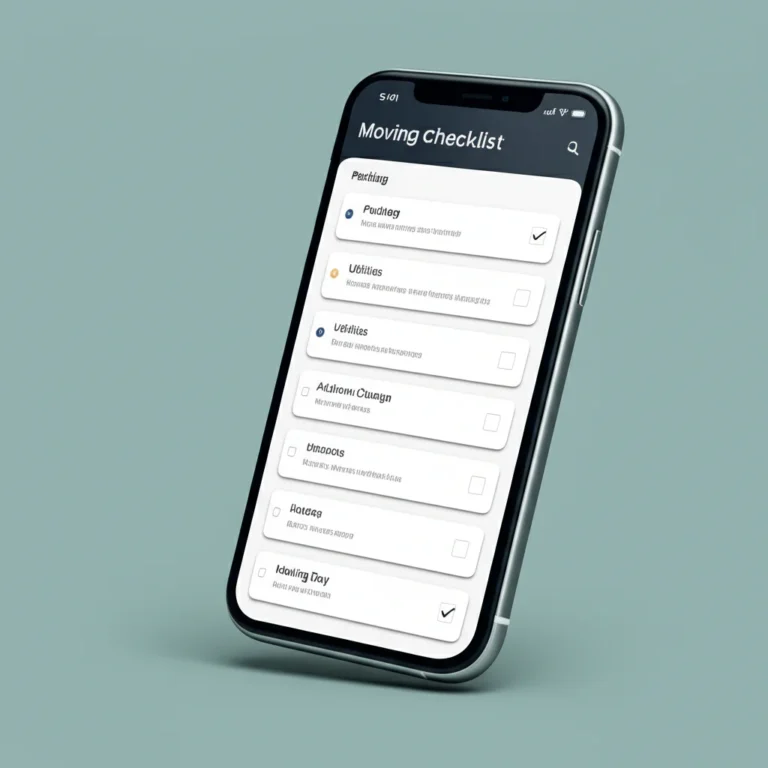
The final 30 days are a whirlwind of tape and Sharpies. This is where the Moving Checklist™ App shines. Let’s look at how it stacks up for an international move:
Product Review: Moving Checklist™ App
| Category | Rating (1-10) | Notes |
|---|---|---|
| User Interface | 9/10 | Clean, intuitive, and easy to navigate. |
| Customization | 10/10 | Can add specific international tasks easily. |
| Cloud Sync | 9/10 | Essential for sharing lists with partners. |
| Offline Access | 8/10 | Great for when you’re between SIM cards. |
| Overall | 9.2/10 | Highly Recommended for global relocations. |
✅ The Shipping Dilemma: Should you use a 20ft container or just ship a few boxes? If you’re moving a whole house, look into Seven Seas Worldwide for “MoveCubes”—they are a lifesaver for medium-sized moves.
❌ Don’t Forget: Your credit cards might have “fraud protection” that triggers the moment you buy a coffee in Istanbul. Call them!
Expert Insight: We recommend taking photos of the back of your TV and computer setup. Trying to figure out where those 15 cables go while jet-lagged is a recipe for a meltdown. 🔌
- 👉 Shop International Shipping Supplies on:
- U-Haul Boxes: Amazon | Walmart | U-Haul Official
- Heavy Duty Packing Tape: Amazon | Etsy
🩺 The Global Health Checklist: Staying Fit Across Borders
Your health is your wealth, especially when you’re in a country where you don’t know the word for “appendicitis.” As mentioned in the featured video, “It’s much cheaper to pay a therapist than to deal with the consequences of relocating yourself and your entire family without having everything ready to go.” Mental health is just as important as physical health!
- Insurance: Your domestic health insurance likely won’t cover you abroad. Look into Cigna Global or GeoBlue. They offer “Expat” plans that cover you worldwide.
- Prescriptions: Some medications that are legal in your country might be controlled substances elsewhere (e.g., Adderall in Japan). Check the International Narcotics Control Board guidelines.
- The First-Aid Kit: The video experts suggest preparing a kit with pain relievers, bandages, and antiseptic wipes. Don’t forget spare eyeglasses or contact lenses!
👉 CHECK PRICE on:
- First Aid Kits: Amazon | Walmart
- Cigna Global Insurance: Cigna Official Website
🏠 Finding Your Home Away From Home: International Real Estate Tips
Finding a place to live from 5,000 miles away is terrifying. Proper Home Organization starts with picking the right space.
The Strategy:
- Short-term first: Book an Airbnb or Sonder for the first month.
- Walk the neighborhoods: What looks good on Zillow or Rightmove might be next to a noisy nightclub in reality.
- Hire a Relocation Agent: If your company isn’t paying for one, it might be worth the investment.
Warning: ❌ Never wire money for a deposit before seeing the property in person. Rental scams target expats specifically! AlyssaOWrites emphasizes learning local tenancy laws to protect your rights.
💰 Banking, Taxes, and Managing International Accounts
Money makes the world go ’round, but exchange fees make it stop.
- The “Big Banks”: HSBC and Citibank are great for international presence, but their fees can be sneaky.
- The Modern Way: We swear by Wise and Revolut. You can hold multiple currencies and convert them at the mid-market rate. Expatica notes these services can be up to 8x cheaper than traditional banks.
- Taxes: If you are a US Citizen, the IRS wants their cut no matter where you live. Look up the Foreign Earned Income Exclusion (FEIE).
👉 Shop Financial Tools on:
- Wise (TransferWise): Wise Official Website
- Revolut: Revolut Official Website
🎒 Moving Abroad With Children: Schools, Transition, and Sanity
Kids are resilient, but they also need stability. This is a Long Distance Move that requires extra emotional labor.
Schooling Options:
- International Schools: Follow the IB or British/American curriculum. Check the International Schools Database.
- Local Schools: Best for language immersion.
The “Transition Bag”: Let your child pack a backpack with their absolute favorite things. This stays with them on the plane—no exceptions! 🧸
🐾 Paws and Passports: Moving Your Pet Abroad Safely
Your furry friends are family. Don’t leave them behind!
- Microchipping: Must be ISO-compliant.
- Rabies Titer Test: Some countries (like Australia) require a blood test months in advance.
- The Crate: It must be IATA-approved. Buy it early and let your pet sleep in it so they feel safe.
👉 Shop Pet Travel Gear on:
- IATA Approved Pet Crates: Amazon | Walmart
- PetRelocation Services: PetRelocation Official Website
🛬 Post-Moving Checklist: Your First 30 Days in the Host Country
You’ve landed! Now what? Our Moving Day Checklist transitions into your “Arrival Checklist.”
- Week 1: Get your local SIM card, register with the local police, and find the nearest grocery store.
- Week 2: Open your local bank account (you’ll usually need a proof of address).
- Week 3: Find your “third place”—a cafe, gym, or park where people start to recognize you.
- Week 4: Apply for your local ID card or residency permit.
🛡️ Protecting Your Journey: Let Us Help You With Your Insurance Needs
Don’t let a lost suitcase or a sprained ankle ruin your new life. We’ve partnered with the best in the business to ensure you’re covered.
Whether you need International Health Insurance, Expat Life Insurance, or Global Property Insurance, we recommend getting a tailored quote.
Click here to explore Expat Insurance Options with Cigna Global
📩 Join the Moving Checklist™ Community: Sign Up Today!
Love these tips? We have a weekly newsletter filled with expat hacks, country spotlights, and moving discounts. Don’t move alone—move with the experts!
Sign up for our “Global Nomad” Newsletter here!
✨ Conclusion

Congratulations, globe-trotter! You’ve just navigated the most comprehensive, no-nonsense guide to moving abroad, packed with insider tips, detailed checklists, and expert advice from the movers at Moving Checklist™. Whether you’re a first-time expat or a seasoned international nomad, this guide arms you with everything you need to make your overseas relocation as smooth as a freshly waxed surfboard.
Moving Checklist™ App: The Ultimate Moving Sidekick
Before we wrap up, let’s revisit the star of the show: the Moving Checklist™ App. Here’s the lowdown:
Positives:
- Highly customizable for any international move scenario.
- User-friendly interface that keeps you sane amid chaos.
- Cloud syncing lets you share lists with family or partners.
- Offline access means you’re never stranded without your plan.
- Integrates seamlessly with budgeting and packing tasks.
Negatives:
- Some advanced features require a subscription.
- Occasional syncing delays if internet is spotty.
Our Verdict: If you want to avoid the classic “Did I forget to cancel the electricity?” panic at 2 AM, this app is your best friend. It’s a solid 9.2/10 for international moves and well worth the investment in peace of mind.
Closing the Loop
Remember that unresolved question from the start about culture shock? It’s real, and it usually hits around the three-month mark. But armed with preparation, a solid checklist, and a community (hello, Moving Checklist™ newsletter!), you’ll navigate it with grace. And yes, those stories about lost luggage and shipping containers adrift? They make the best tales once you’re safely settled.
So, pack smart, plan early, and keep your sense of humor intact. Your adventure awaits! 🌍✈️
🔗 Recommended Links
👉 Shop Moving Essentials & Services:
- Moving Checklist™ App: Official Website
- Seven Seas Worldwide MoveCubes: Official Website
- Cigna Global Health Insurance: Official Website
- Wise Multi-Currency Account: Official Website
- ExpressVPN: Official Website
- PetRelocation Services: Official Website
- Away Travel Luggage: Amazon | Away Official Website
- World Nomads Travel Insurance: Official Website
Recommended Books on Moving Abroad:
-
The Art of Moving Abroad: How to Prepare and Thrive by Sarah Johnson
Amazon Link -
Culture Shock! A Survival Guide to Customs and Etiquette by Richard Lewis
Amazon Link -
Expat Life: How to Survive and Thrive Abroad by Emily Roberts
Amazon Link
❓ FAQ: Everything You’re Too Afraid to Ask About Moving Abroad

What are common challenges when relocating overseas and how to overcome them?
Relocating abroad often comes with culture shock, language barriers, and logistical headaches like delayed shipments or visa complications. To overcome these:
- Plan early and use a detailed checklist (like the Moving Checklist™ App).
- Learn basic local language phrases before arrival.
- Join expat communities for support and advice.
- Keep digital and physical copies of all documents.
- Prepare mentally for ups and downs; culture shock is normal and usually peaks around 3 months.
How can a checklist app simplify my moving abroad process?
A checklist app centralizes all your tasks, deadlines, and documents in one place. It helps you:
- Track progress and avoid forgetting critical steps.
- Share responsibilities with family or partners.
- Access your list offline during travel or in areas with poor internet.
- Customize tasks for your specific destination and needs.
The Moving Checklist™ App, for example, offers cloud syncing and reminders, making it easier to manage complex international moves.
What tips help reduce stress during an international move?
- Start planning 3–6 months ahead.
- Declutter ruthlessly to reduce shipping costs.
- Use professional movers for heavy or valuable items.
- Keep essentials and important documents in your carry-on.
- Maintain routines for children and pets.
- Stay connected with friends and family back home.
- Practice self-care and allow time to adjust.
How do I find reliable housing in a foreign country?
- Book short-term accommodation first (Airbnb, Sonder).
- Research neighborhoods using local forums and expat groups.
- Hire a local relocation agent or trusted real estate professional.
- Never wire money before seeing the property in person.
- Understand local tenancy laws to protect your rights.
What documents do I need before moving abroad?
Essential documents include:
- Valid passport (with at least 6 months validity).
- Visa or residence permit.
- Birth and marriage certificates (apostilled if required).
- Medical and vaccination records.
- Driver’s license and International Driving Permit.
- Insurance policies.
- Academic and employment records.
- Power of Attorney documents.
Always keep digital and physical copies in separate locations.
How can I stay organized when moving to a new country?
- Use a moving checklist app to track tasks.
- Create a master spreadsheet with contacts, dates, and expenses.
- Digitize important documents and photos.
- Label boxes clearly by room and contents.
- Pack a “first night” box with essentials.
- Schedule regular check-ins with family or moving partners.
What are the essential steps in a moving abroad checklist?
- Research visa and immigration requirements.
- Organize finances and banking.
- Arrange health insurance and medical checkups.
- Declutter and decide what to ship, sell, or donate.
- Book international movers or shipping.
- Notify banks, utilities, and subscriptions.
- Prepare pets and children for the move.
- Secure housing and temporary accommodation.
- Register with local authorities upon arrival.
What are some common mistakes to avoid when creating a moving abroad checklist and how can I prevent them?
Common mistakes:
- Starting too late.
- Overpacking or shipping unnecessary items.
- Forgetting to notify banks or cancel subscriptions.
- Ignoring local laws and customs.
- Not securing proper insurance.
- Underestimating culture shock.
Prevention:
- Use a proven checklist app.
- Research thoroughly.
- Consult expat forums and professionals.
- Plan buffer time for unexpected delays.
How do I handle the logistics of moving my belongings, including furniture and pets, abroad?
- Get multiple quotes from FIDI-accredited international movers.
- Decide between shipping containers or air freight based on budget and timeline.
- Prepare pets with microchips, vaccinations, and IATA-approved crates.
- Use specialized pet relocation services like PetRelocation.
- Label all boxes clearly and photograph valuables for insurance.
What are the key differences between moving to a European country versus a non-European country?
- Visa and residency requirements vary widely; Europe often has Schengen rules.
- Healthcare systems may be public in Europe, private elsewhere.
- Language and culture differences can be more pronounced outside Europe.
- Cost of living and tax laws differ significantly.
- Driving licenses and vehicle import rules vary.
Research your specific destination thoroughly.
How can I stay organized and on track with my move abroad using a checklist app?
- Set deadlines and reminders for each task.
- Share the checklist with family or movers.
- Update progress in real-time.
- Use categories (e.g., paperwork, packing, finances).
- Access your list offline during travel.
The Moving Checklist™ App excels in these features.
What are the most important things to consider when relocating to a new country?
- Visa and legal residency status.
- Healthcare and insurance coverage.
- Housing and cost of living.
- Language barriers.
- Cultural differences and social integration.
- Financial planning and taxation.
- Education for children.
- Pet relocation requirements.
How do I choose the right international moving company for my needs?
- Look for FIDI or IAM accreditation.
- Read reviews on sites like Trustpilot or Google.
- Get detailed quotes and understand insurance coverage.
- Ask about customs clearance experience.
- Confirm delivery timelines and tracking options.
What are the essential documents to gather before moving abroad?
- Passport and visa.
- Birth and marriage certificates (apostilled).
- Medical records and vaccination certificates.
- Driver’s license and International Driving Permit.
- Insurance policies.
- Academic and employment documents.
- Power of Attorney and emergency contacts.
Keep both digital backups and physical copies.
📚 Reference Links
- United Nations International Migration Report: un.org
- CDC Travelers’ Health: cdc.gov/travel
- IRS International Taxpayers: irs.gov
- FIDI Global Alliance (Accredited Movers): fidi.org
- Expatica’s Ultimate Moving Abroad Checklist: expatica.com
- Cigna Global Insurance: cignaglobal.com
- PetRelocation Services: petrelocation.com
- Wise Multi-Currency Account: wise.com
- ExpressVPN: expressvpn.com