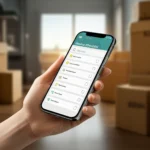
Support our educational content for free when you purchase through links on our site. Learn more
25 Must-Have Moving Day Essentials Checklist You Can’t Miss (2026) 📦

Moving day is often dubbed one of life’s most stressful events — and for good reason! Imagine arriving at your new home, utterly exhausted, only to realize your toothbrush, phone charger, or even toilet paper is nowhere to be found. We’ve been there, done that, and learned the hard way. That’s why we at Moving Checklist™ have crafted the ultimate 25-item moving day essentials checklist to make sure you’re not caught off guard.
From the sacred “No-Pack Zone” to the lifesaving “Open First” box, this guide covers every must-have item to keep you comfortable, organized, and sane during those crucial first 48 hours in your new place. Plus, we’ll share insider tips on pre-move prep, smart packing, and unpacking strategies that will transform your moving day from chaotic to controlled. Ready to discover the secrets to a hassle-free move? Keep reading — your future self will thank you!
Key Takeaways
- Prepare a ‘No-Pack Zone’ for last-minute essentials you’ll need before leaving your old home.
- Pack an ‘Open First’ box with must-haves like toiletries, chargers, and snacks to keep with you.
- Prioritize important documents, valuables, and personal care items to avoid last-minute panic.
- Plan ahead with utility transfers, mail forwarding, and clear communication with movers.
- Use labeling, color-coding, and a smart unpacking strategy to make settling in easier.
- Don’t forget self-care: stay hydrated, take breaks, and reward yourself for a job well done!
Dive into our comprehensive checklist and expert advice to turn your moving day into a smooth, even enjoyable, adventure.
Table of Contents
- ⚡️ Quick Tips and Essential Moving Facts
- 🗓️ The Unsung Hero: Why a Moving Day Essentials Checklist is Your Secret Weapon
- 🤯 Moving Day Reality Check: What Really Happens Behind the Scenes
- 🚫 The Sacred ‘No-Pack Zone’: What Stays Out Until the Last Minute?
- 📦 ‘No Pack’ vs. ‘Open First’ Box: Unpacking the Crucial Difference
- 🔑 The Ultimate Moving Day Essentials Checklist: Your First Night Survival Kit & Beyond!
- 1. 🗄️ Important Documents & Valuables: Your Secure Stash
- 2. 💊 Personal Care & First Aid: Stay Fresh, Stay Safe
- 3. 👕 A Change of Clothes & Sleep Essentials: Comfort After Chaos
- 4. 🍽️ Kitchen & Eating Essentials: Fueling Your Moving Crew
- 5. 🧼 Cleaning Supplies for Both Homes: The Tidy Transition
- 6. 🛠️ Basic Tools & Utilities: The Handy Helper Kit
- 7. 🔋 Electronics & Chargers: Staying Connected
- 8. 🐾 Pet Comfort Kit: Happy Tails on Moving Day
- 9. 👶 Kids’ Entertainment & Comfort Kit: Keeping Little Ones Content
- 10. 💰 Payment & Communication Essentials: Your Lifelines
- 11. 💡 Lighting & Safety Gear: Illuminating Your New Space
- 12. ☕ Coffee Maker & Morning Rituals: The Essential Wake-Up Call
- 13. 🚿 Bathroom Basics: Instant Refreshment
- 14. 🗑️ Trash Bags & Paper Towels: The Unsung Heroes of Clean-Up
- 15. 🔑 Spare Keys & Locks: Security from Day One
- 16. 🛏️ Bedding for the First Night: Sweet Dreams, Finally
- 17. 📦 Box Cutter & Markers: Your Unpacking Arsenal
- 18. 🥤 Snacks & Drinks: Hydration & Energy Boosts
- 19. 🩹 Basic First Aid Kit: For Life’s Little Bumps
- 20. 🧸 Comfort Items (for everyone!): A Touch of Familiarity
- 21. 🗺️ Local Info & Takeout Menus: Your New Neighborhood Guide
- 22. ✉️ Mail Forwarding Confirmation: Don’t Miss a Beat
- 23. 🔌 Power Strips & Extension Cords: Instant Power-Up
- 24. 🧻 Toilet Paper & Hand Soap: Non-Negotiable Necessities
- 25. 🧹 Quick Clean-Up Crew: For Those Unexpected Spills
- 🚀 Beyond the Boxes: Pre-Moving Day Preparations You Absolutely Can’t Skip!
- 🚚 The Big Day Itself: Navigating Moving Day Like a Pro
- 🏡 Unpacking Strategy: Making Your New House a Home, One Box at a Time
- 🧠 Expert Moving Tips & Tricks from the Moving Checklist™ Team
- 🛠️ Recommended Resources & Tools for a Seamless, Stress-Free Move
- ❓ Moving Day FAQs: Your Burning Questions Answered by the Pros
- 🎉 Conclusion: Our Final Word – Embrace the Adventure!
- 📚 Reference Links & Further Reading for Your Moving Journey
Body
⚡️ Quick Tips and Essential Moving Facts
Moving day. The very phrase can conjure images of chaos, cardboard boxes, and perhaps a few choice words. But what if we told you it doesn’t have to be that way? Here at Moving Checklist™, we’ve seen it all – the good, the bad, and the “why did I pack my coffee maker in the garage?!” moments. Our mission? To arm you with the knowledge and tools to Move Hassle-Free with Checklist App!
Here are some quick, eye-opening facts to kick things off:
- The Average American Moves 11.7 Times: That’s nearly once every six years! So, if you feel like a seasoned pro or a bewildered newbie, you’re in good company. (Source: U.S. Census Bureau, https://www.census.gov/library/stories/2023/09/why-people-move.html?wpmobileexternal=true&wpappninja_v=0lw5ep05t)
- Most Stressful Life Event? Moving Ranks High: Studies consistently place moving among the top five most stressful life events, often alongside divorce and job loss. (Source: Zillow, https://www.zillow.com/research/moving-stress-2022-31649/) But with the right strategy, we can dial that stress down to a manageable hum.
- The “First Night” Box is a Game Changer: Consumer insights show that the biggest regret for movers is not having immediate access to essentials. We’ll show you exactly how to conquer this.
- Financial Preparedness is Key: Before you even think about packing, make sure your finances are in order. As the first YouTube video embedded in this article highlights, having 3-6 months of living expenses saved is a crucial financial cushion. Landlords often require income to be at least three times the monthly rent, and a credit score of 600+ is generally recommended for apartment rentals. Don’t forget to budget for essential furnishings beyond rent! (Source: Featured Video)
🗓️ The Unsung Hero: Why a Moving Day Essentials Checklist is Your Secret Weapon
Imagine this: It’s moving day. The truck is packed, the old house is empty, and you’ve just arrived at your new abode. You’re exhausted, hungry, and desperately need to brush your teeth… but where is your toothbrush? And the toilet paper? And your phone charger?! This, dear reader, is the nightmare scenario a moving day essentials checklist is designed to prevent.
We’ve been there. Our co-founder, Mark, once spent his first night in a new apartment using a paper towel as a makeshift pillow because his bedding was lost in the abyss of “Box #73: Miscellaneous.” Never again! A well-crafted checklist isn’t just a list; it’s your first night survival guide, your sanity preserver, and your roadmap to a smooth transition. It ensures that the items you absolutely cannot live without for the first 24-48 hours are not only packed but are also immediately accessible. As The Homes I Have Made aptly puts it, “Having these items easily accessible will greatly reduce the overall discomfort and disruption usually caused by moving.” We couldn’t agree more!
🤯 Moving Day Reality Check: What Really Happens Behind the Scenes
Let’s get real for a moment. Moving day is rarely the perfectly choreographed ballet you envision. It’s more like a high-stakes game of Tetris, with unexpected plot twists.
- The “Unexpected Delay”: Movers might be late. Traffic happens. The elevator might break. Flexibility is your superpower. We once had a client whose moving truck broke down two hours from their destination. Their “Open First” box, thankfully, was in their car, saving them from a night without essentials.
- The “Where Does This Go?”: Even with labels, there will be moments of confusion. Having a floor plan or clear instructions for movers can save precious time and prevent furniture from ending up in the wrong room.
- The “Energy Drain”: Moving is physically and mentally exhausting. You’ll be surprised how quickly your energy reserves deplete. This is why pre-packed snacks, water, and a designated rest area are non-negotiable.
- The “Emotional Rollercoaster”: It’s okay to feel overwhelmed, sad to leave, or excited for what’s next. Acknowledge these feelings, and remember that a little preparation goes a long way in managing them.
Our team member, Sarah, recalls a move where she forgot to pack a single roll of toilet paper. “It was late, all the stores were closed, and let’s just say it was a very creative solution,” she laughs. Don’t be like Sarah! Learn from our collective wisdom.
🚫 The Sacred ‘No-Pack Zone’: What Stays Out Until the Last Minute?
Before we dive into the nitty-gritty of what to pack, let’s talk about what not to pack – at least not yet. Enter the ‘No-Pack Zone’. This isn’t just a concept; it’s a strategic sanctuary for items you’ll need right up until the movers arrive, and possibly even after they leave the old place.
As The Homes I Have Made wisely advises, you should “Create a dedicated, clearly labeled ‘No Pack’ area (e.g., closet, bathroom, car).” We recommend a specific closet, a corner of a room, or even your car trunk. The key is to make it impossible for movers to accidentally pack these items. A bright, bold sign saying “🚫 DO NOT PACK! 🚫” is your best friend here.
What belongs in your ‘No-Pack Zone’?
- Cleaning supplies for a final sweep of the old place (broom, dustpan, all-purpose cleaner, paper towels).
- Basic toiletries you’ll use on moving morning (toothbrush, toothpaste, face wash).
- A change of clothes for moving day.
- Snacks and drinks for the journey.
- Important documents you’re carrying with you.
- Pet essentials for their travel day.
- Kids’ comfort items for the car ride.
This zone is your last line of defense against packing regrets. Keep it sacred!
📦 ‘No Pack’ vs. ‘Open First’ Box: Unpacking the Crucial Difference
These two terms often get confused, but understanding their distinct roles is paramount for a smooth move. Think of them as two sides of the same organizational coin, each serving a unique purpose in your moving strategy.
The ‘No-Pack Zone’ (as discussed above): ✅ Purpose: To hold items you need before the movers leave your old home and during the transition. These are things you’ll use right up until the last minute. ✅ Location: A designated area in your old home that movers are explicitly told to avoid. ✅ Example: The broom you’ll use for the final sweep, the hand soap in the bathroom, your coffee mug for that last cup in the old kitchen.
The ‘Open First’ Box (also known as a “First Night” or “Essentials” box): ✅ Purpose: To contain everything you’ll need immediately upon arrival at your new home for the first 24-48 hours. This box is your survival kit. ✅ Location: This box NEVER goes on the moving truck. It travels with you in your personal vehicle. ✅ Example: Toilet paper, a change of clothes, basic toiletries, phone chargers, a first aid kit.
Dumpsters.com emphasizes the importance of this distinction, advising you to “Use a clear bin for easy access” for your ‘Open First’ box and to “Keep with you, not in the moving van.” We couldn’t agree more with the clear bin suggestion – being able to see what’s inside can be a lifesaver when you’re tired and disoriented.
Why the distinction matters: If your ‘No-Pack Zone’ items accidentally get packed, it’s annoying. If your ‘Open First’ box gets lost in the moving truck, it’s a crisis. By separating these two crucial categories, you ensure that no matter what logistical hiccups arise, your immediate comfort and essential needs are covered.
🔑 The Ultimate Moving Day Essentials Checklist: Your First Night Survival Kit & Beyond!
Alright, buckle up! This is the core of your moving day strategy. This comprehensive list goes beyond just the basics, ensuring you’re prepared for anything the first 24-48 hours in your new home throws at you. Remember, this entire kit should be packed into a clearly labeled box (or two!) and travel with you, not with the movers.
1. 🗄️ Important Documents & Valuables: Your Secure Stash
This is your “don’t-you-dare-pack-this-in-a-box” category. These items are irreplaceable and should be in a secure bag or briefcase that stays with you at all times.
-
What to include:
- Moving paperwork: Contracts, Bill of Lading, inventory sheets, contact info for movers, real estate agents, and utility companies. MoveAdvisor.com highlights the importance of having “Moving paperwork: Contract, Bill of Lading, inventory sheet” readily available.
- Personal identification: Passports, driver’s licenses, birth certificates, social security cards.
- Financials: Credit cards, debit cards, checkbook, a small amount of cash.
- Medical records & prescriptions: Especially crucial if you have ongoing health needs.
- Valuables: Jewelry, heirlooms, external hard drives with backups, important keys. The Homes I Have Made suggests storing jewelry “in a safe, e.g., inside suitcase or safe.”
- Pet records: Vaccination history, microchip info.
- New home documents: Lease agreement, closing documents, new keys!
-
Why it’s essential: Losing these items or not having them accessible can cause significant delays, stress, and even financial hardship. Imagine trying to sign for your new utilities without your ID!
2. 💊 Personal Care & First Aid: Stay Fresh, Stay Safe
After a long day of moving, a little personal hygiene goes a long way. And accidents, big or small, can happen.
-
What to include:
- Toiletries: Toothbrush, toothpaste, shampoo, conditioner, soap/body wash, deodorant, contact lens solution, glasses. Dumpsters.com lists “Toothpaste, toothbrush” and “Prescription medications” as bedroom and bathroom essentials.
- Prescription medications: Ensure you have enough for several days.
- Basic first aid kit: Band-Aids, antiseptic wipes, pain relievers (e.g., Tylenol, Advil), allergy medication (e.g., Benadryl), antacids. MoveAdvisor.com recommends “First-aid kit” and “Painkillers & allergy meds.”
- Hand sanitizer: For quick clean-ups when water isn’t readily available.
-
Why it’s essential: Feeling clean and addressing minor ailments can significantly boost morale and prevent small issues from becoming bigger problems.
3. 👕 A Change of Clothes & Sleep Essentials: Comfort After Chaos
You’ll likely be sweaty, dusty, and tired. A fresh outfit and a comfortable place to rest are non-negotiable.
-
What to include:
- 1-2 changes of clothes: Comfortable pajamas, underwear, socks, and an outfit for the next day. Dumpsters.com suggests “1-2 sets of clothing” and “Pajamas or loungewear.”
- Basic bedding: A sheet, a light blanket, and a pillow per person. The Homes I Have Made recommends “Complete sets for each family member.” If you’re using an air mattress, ensure you have sheets for it.
- Small towel: For a quick shower or face wash.
-
Why it’s essential: A fresh start to the next day and a decent night’s sleep are crucial for recovery and tackling unpacking.
4. 🍽️ Kitchen & Eating Essentials: Fueling Your Moving Crew
You’ll be hungry, and cooking a full meal is probably the last thing on your mind.
-
What to include:
- Non-perishable snacks: Granola bars, nuts, dried fruit, crackers, fruit snacks. Dumpsters.com suggests “Non-perishable food and snacks.”
- Bottled water & drinks: Stay hydrated!
- Disposable plates, cups, and utensils: Brands like Dixie or Chinet are reliable. The Homes I Have Made and MoveAdvisor.com both recommend “Disposable tableware.”
- Paper towels & napkins: For spills and quick clean-ups.
- Can opener/bottle opener: For those essential refreshments.
- A single pot and pan: If you plan to make something simple like pasta or eggs. The Homes I Have Made suggests “1 pot, 1 pan, 1 cookie sheet.”
- Dish soap & sponge: For any reusable items.
-
Why it’s essential: Hunger can quickly turn into “hanger.” Keeping everyone fed and hydrated maintains energy levels and good spirits.
5. 🧼 Cleaning Supplies for Both Homes: The Tidy Transition
You’ll want to leave your old place sparkling and give your new place a quick once-over.
-
What to include:
- All-purpose cleaner: Method All-Purpose Cleaner or Mrs. Meyer’s Clean Day Multi-Surface Everyday Cleaner are great options.
- Disinfecting wipes: Clorox or Lysol wipes are super handy.
- Paper towels: Bounty or Viva are strong and absorbent.
- Trash bags: Heavy-duty Hefty or Glad bags. MoveAdvisor.com lists “Trash bags” as a cleaning essential.
- Hand soap: For both bathrooms.
- Small broom/dustpan: For a final sweep.
- Vacuum: If you’re doing a deep clean of the old place yourself.
-
Why it’s essential: A clean slate feels good, and it’s respectful to leave your old home in good condition.
6. 🛠️ Basic Tools & Utilities: The Handy Helper Kit
You never know when you’ll need to tighten a screw or open a stubborn box.
-
What to include:
- Basic toolkit: Screwdrivers (Phillips and flathead), hammer, pliers, adjustable wrench. The Homes I Have Made suggests a “Basic toolkit (screwdriver, hammer, pliers).”
- Box cutter/utility knife: For opening boxes safely.
- Duct tape: The universal problem solver.
- Measuring tape: For quick furniture placement decisions.
- Flashlight or headlamp: For dark corners or if utilities aren’t fully on. MoveAdvisor.com recommends a “Flashlight.”
- Permanent markers: Sharpie markers for labeling boxes as you unpack.
-
Why it’s essential: These tools are invaluable for minor repairs, assembly, and general problem-solving on moving day.
7. 🔋 Electronics & Chargers: Staying Connected
In our digital age, staying connected is non-negotiable.
-
What to include:
- Mobile phones & chargers: For everyone.
- Laptops/tablets & chargers: If you need them for work or entertainment. The Homes I Have Made lists “Laptops, tablets, gaming devices, chargers.”
- Power bank: A fully charged portable power bank (e.g., Anker PowerCore) is a lifesaver if outlets aren’t immediately accessible.
- Power strip/extension cord: For charging multiple devices from one outlet. MoveAdvisor.com suggests “Power strips & batteries.”
-
Why it’s essential: Communication, navigation, and entertainment are all tied to these devices.
8. 🐾 Pet Comfort Kit: Happy Tails on Moving Day
Our furry friends need extra care during a move.
-
What to include:
- Pet food & water bowls: Collapsible bowls are great for travel.
- Enough pet food for a few days: In a sealed container.
- Leash, collar with ID tags: Essential for safety.
- Favorite toys & comfort blanket: Familiar smells can reduce stress.
- Medications: If applicable.
- Waste bags/litter & scoop: For immediate needs.
- Carrier: For safe transport. MoveAdvisor.com lists “Pet food, bowls” and “Carrier/leash.”
-
Why it’s essential: Moving is stressful for pets. Having their familiar items and necessities readily available helps them adjust.
9. 👶 Kids’ Entertainment & Comfort Kit: Keeping Little Ones Content
Keeping kids happy and occupied is key to reducing parental stress.
-
What to include:
- Favorite toys & books: A few familiar items can provide comfort. MoveAdvisor.com suggests “Favorite toys, books, games.”
- Snacks & drinks: Kid-friendly options.
- Diapers, wipes, formula/bottles: If applicable.
- Change of clothes: Accidents happen!
- Comfort item: A “lovey” or special blanket. The Homes I Have Made mentions “Loveys (blankets, stuffed animals).”
- Portable charger: For tablets or handheld games.
- Nightlight: To make a new room feel less scary.
- Pac’n’Play with extra sheets: For infants/toddlers. The Homes I Have Made recommends this.
-
Why it’s essential: A happy child means a less stressed parent. Keeping them engaged and comfortable is a top priority.
10. 💰 Payment & Communication Essentials: Your Lifelines
Beyond your phone, have backup communication and payment methods.
-
What to include:
- Cash: For tips, unexpected small purchases, or if card readers are down.
- Physical list of important phone numbers: Movers, emergency contacts, utility companies – just in case your phone dies. MoveAdvisor.com suggests “Contact info & emergency numbers (write down).”
- Notepad & pen: For jotting down notes, questions, or inventory checks.
-
Why it’s essential: Technology can fail. Having analog backups ensures you’re never truly stranded.
11. 💡 Lighting & Safety Gear: Illuminating Your New Space
Don’t be caught in the dark!
-
What to include:
- Flashlights/headlamps: With extra batteries.
- Portable lantern: For ambient light if power isn’t fully on.
- Nightlights: Especially useful in bathrooms or hallways for the first night.
- Work gloves: For handling boxes and preventing splinters. MoveAdvisor.com lists “Work gloves.”
-
Why it’s essential: Safety first! Good lighting prevents trips and falls, and gloves protect your hands.
12. ☕ Coffee Maker & Morning Rituals: The Essential Wake-Up Call
For many, the morning coffee ritual is non-negotiable.
-
What to include:
- Small coffee maker: A Keurig Mini or a simple drip coffee maker. The Homes I Have Made specifically mentions a “Coffee pot (e.g., Cuisinart).”
- Coffee grounds/K-cups: Enough for a few days.
- Mugs: A couple of sturdy mugs.
- Sugar/creamer: If you use them.
-
Why it’s essential: That first cup of coffee in your new home can feel like a small victory and a return to normalcy.
13. 🚿 Bathroom Basics: Instant Refreshment
Beyond personal toiletries, a few bathroom items are crucial for immediate comfort.
-
What to include:
- Shower curtain & liner: You’ll want to shower! The Homes I Have Made and Dumpsters.com both list this.
- Bath towels & hand towels: At least one set per person.
- Bath mat: Prevents slips.
- Toilet brush & cleaner: For a quick clean if needed.
-
Why it’s essential: A functional bathroom is a top priority.
14. 🗑️ Trash Bags & Paper Towels: The Unsung Heroes of Clean-Up
These humble items will be your best friends.
-
What to include:
- Rolls of heavy-duty trash bags: For packing trash, dirty linens, or unexpected waste.
- Several rolls of paper towels: For spills, wiping surfaces, and general clean-up.
-
Why it’s essential: Moving generates a surprising amount of trash and messes. Be prepared!
15. 🔑 Spare Keys & Locks: Security from Day One
Ensure you have control over your new home’s security.
-
What to include:
- All sets of new house keys: Keep them separate from your old keys.
- Small padlock: For securing a valuable box if needed, or for a storage unit.
- Consider a temporary door lock: Like an Addalock Portable Door Lock for extra peace of mind on the first night.
-
Why it’s essential: Security is paramount. Knowing who has access to your new home is crucial.
16. 🛏️ Bedding for the First Night: Sweet Dreams, Finally
Even if you’re sleeping on an air mattress, having proper bedding makes a huge difference.
-
What to include:
- Fitted sheet, flat sheet, pillowcases: For each bed you plan to set up immediately.
- Comforter or duvet: Or a warm blanket.
- Pillows: Your own familiar pillows.
-
Why it’s essential: A comfortable bed is the ultimate reward after a grueling moving day.
17. 📦 Box Cutter & Markers: Your Unpacking Arsenal
These two items will be in constant use.
-
What to include:
- Reliable box cutter: Stanley FatMax Retractable Utility Knife is a sturdy choice.
- Permanent markers: Sharpie Fine Point Permanent Markers in various colors for labeling.
-
Why it’s essential: Efficiently opening boxes and re-labeling as you go saves time and frustration.
👉 CHECK PRICE on:
- Stanley FatMax Retractable Utility Knife: Amazon | Walmart
- Sharpie Fine Point Permanent Markers: Amazon | Walmart
18. 🥤 Snacks & Drinks: Hydration & Energy Boosts
Keep the energy up for everyone involved.
-
What to include:
- Variety of snacks: Chips, cookies, fruit, protein bars.
- Juice boxes, sodas, sports drinks: Beyond just water.
- Cooler with ice: To keep drinks and perishable snacks cold.
-
Why it’s essential: Moving is a marathon, not a sprint. Regular fuel stops prevent meltdowns.
19. 🩹 Basic First Aid Kit: For Life’s Little Bumps
A dedicated, well-stocked kit is a must.
-
What to include:
- Bandages of various sizes: From small cuts to larger scrapes.
- Antiseptic wipes/spray: For cleaning wounds.
- Pain relievers: Ibuprofen, acetaminophen.
- Tweezers: For splinters.
- Gauze pads & medical tape.
- Hydrocortisone cream: For bug bites or rashes.
-
Why it’s essential: Minor injuries are common during moving. Being prepared means quick treatment and less disruption.
20. 🧸 Comfort Items (for everyone!): A Touch of Familiarity
Moving can be disorienting. Familiar items provide comfort.
-
What to include:
- Favorite blanket or throw: For cozying up on the floor or a new couch.
- A beloved book or magazine: For a moment of escape.
- Small photo album: To remind you of cherished memories.
- A special mug: For that first cup of coffee or tea.
-
Why it’s essential: These small touches can make a new, unfamiliar space feel a little more like home, a little sooner.
21. 🗺️ Local Info & Takeout Menus: Your New Neighborhood Guide
You won’t be cooking much on the first night.
-
What to include:
- Printed list of local restaurants/takeout spots: With phone numbers and addresses.
- Map of the immediate area: Highlighting grocery stores, pharmacies, and gas stations.
- Important local numbers: Non-emergency police, local hospital, pediatrician.
-
Why it’s essential: You’ll be tired and hungry. Knowing where to get food and essential supplies without searching online saves time and stress.
22. ✉️ Mail Forwarding Confirmation: Don’t Miss a Beat
Ensure your mail follows you.
-
What to include:
- Confirmation email or printout from USPS: Proving your change of address request has been processed.
- List of important subscriptions/bills: To manually update if needed.
-
Why it’s essential: Missing important mail can lead to late fees, missed appointments, or identity theft. For a deeper dive into managing your address changes, check out our article on the 7 Best Digital Change of Address Checklist Apps to Simplify Moving 📱 (2026).
23. 🔌 Power Strips & Extension Cords: Instant Power-Up
Not all outlets will be immediately accessible.
-
What to include:
- At least two power strips: With surge protection.
- One or two extension cords: For reaching distant outlets.
-
Why it’s essential: You’ll need to charge phones, plug in lamps, or get a fan running quickly.
24. 🧻 Toilet Paper & Hand Soap: Non-Negotiable Necessities
Seriously, don’t forget these.
-
What to include:
- Multiple rolls of toilet paper: Put one in each bathroom.
- Liquid hand soap: For each bathroom and kitchen sink.
-
Why it’s essential: These are basic human needs. Trust us, you don’t want to be caught without them! The Homes I Have Made, Dumpsters.com, and MoveAdvisor.com all highlight these as crucial.
25. 🧹 Quick Clean-Up Crew: For Those Unexpected Spills
Life happens, even on moving day.
-
What to include:
- Small spray bottle with all-purpose cleaner.
- Microfiber cloths.
- Small vacuum or dustbuster: For quick crumbs or dirt.
-
Why it’s essential: Spills and messes are inevitable. Being able to clean them up quickly prevents them from becoming bigger problems.
🚀 Beyond the Boxes: Pre-Moving Day Preparations You Absolutely Can’t Skip!
A successful moving day isn’t just about what you pack; it’s about the groundwork you lay weeks, even months, in advance. Think of these as your strategic pre-flight checks before liftoff.
Utility Transfers & Setup: Powering Up Your New Life
Nothing is worse than arriving at your new home only to find the lights don’t work or the water is off.
-
Step-by-step:
- Contact providers 2-4 weeks in advance: Reach out to your current electricity, gas, water, internet, and trash services.
- Schedule disconnects: Arrange for services to be disconnected at your old address the day after your move-out date, just in case.
- Schedule connects: Arrange for services to be connected at your new address the day before your move-in date. This gives you a buffer for any issues.
- Confirm appointments: Double-check all dates and times a few days before the move.
- Internet setup: This is often the most critical for modern life. Confirm installation appointments and ensure you have any necessary equipment (modem, router).
-
Expert Tip: “We always tell clients to schedule internet installation for the morning of or day after they move in,” says our logistics expert, David. “It’s the first thing people want up and running, and technicians can sometimes run late.”
Change of Address & Mail Forwarding: The Paperwork Puzzle
Don’t let your mail go astray! This is a crucial step to ensure you don’t miss important documents or bills.
-
Step-by-step:
- Notify USPS: File a change of address with the United States Postal Service (USPS) online at https://www.usps.com/manage/forward.htm or in person at your local post office. Do this at least two weeks before your move.
- Update key institutions:
- Banks and credit card companies
- Insurance providers (auto, home, health)
- Employers/payroll
- Government agencies (IRS, DMV, Social Security Administration)
- Doctors, dentists, specialists
- Subscription services (magazines, streaming, delivery boxes)
- Online retailers
- Cancel local memberships: Gyms, libraries, clubs.
-
Why it’s essential: Missing bills can impact your credit score, and important documents can get lost. For a streamlined approach, consider using a digital change of address app. We’ve reviewed the best ones in our article: 7 Best Digital Change of Address Checklist Apps to Simplify Moving 📱 (2026). This falls under our Moving Day Checklist category.
Notifying Important Parties: Spreading the Word
Beyond official changes, let your personal network know.
-
Who to tell:
- Friends and family
- Children’s schools or daycare
- Neighbors (especially if you’re leaving a close-knit community)
- Pet sitters, housekeepers, gardeners
- Anyone who regularly visits or sends you mail.
-
Expert Tip: Consider sending out a digital “we’ve moved!” announcement with your new address once you’re settled.
Deep Cleaning Your Old Place (or Hiring Help!): Leaving a Good Impression
Whether you’re selling or renting, leaving your old home clean is good etiquette and can impact your security deposit.
-
Options:
- DIY: Gather your cleaning supplies (from your ‘No-Pack Zone’!) and tackle it yourself. Focus on kitchens, bathrooms, and floors.
- Hire professionals: Many moving companies offer cleaning services, or you can find local cleaning companies. This is a great option if you’re short on time or energy.
-
Why it’s essential: For renters, a clean apartment is key to getting your security deposit back. For sellers, it leaves a positive final impression.
🚚 The Big Day Itself: Navigating Moving Day Like a Pro
The trucks are here, the boxes are stacked, and the adrenaline is pumping! This is where all your meticulous planning pays off. Here’s how to navigate the actual moving day like a seasoned pro.
Communicating with Your Movers: Clear Signals, Smooth Sailing
Your movers are your partners in this endeavor. Clear communication is paramount.
-
Before they start:
- Walkthrough: Do a quick walkthrough of your old home with the foreman. Point out any fragile items, items not going on the truck (your ‘No-Pack Zone’ and ‘Open First’ box!), and any specific instructions.
- Confirm details: As Dumpsters.com advises, “Call to verify: Start and end addresses, Arrival time, Necessary moving supplies, Elevator reservations or restrictions, Parking permits, Building access limitations, Heavy or difficult-to-move items, Changes to weight estimate.”
- Provide contact info: Ensure they have your cell number and the new address.
- Discuss payment: Clarify the payment method and when it’s due.
-
During the move:
- Be present: Stay on-site to answer questions and supervise.
- Offer refreshments: Water, coffee, or snacks are always appreciated by a hard-working crew.
- Direct traffic: At the new house, guide them on where to place boxes and furniture. Use your color-coded labels!
-
After the move:
- Final walkthrough: Before the movers leave your old place, do a thorough final walkthrough to ensure nothing is left behind.
- Check inventory: If you have an inventory list (as Dumpsters.com suggests, “Take Inventory of All Packed Boxes”), quickly verify that all major items have arrived.
- Tip generously: If they did a great job, show your appreciation.
Protecting Your Floors & Walls: Preventing Moving Mishaps
Accidents happen, but you can minimize damage.
-
What to use:
- Floor runners/carpet film protectors: Especially in high-traffic areas or on delicate flooring. Brands like Ram Board offer heavy-duty floor protection. MoveAdvisor.com lists “Floor runners, carpet film protectors.”
- Cardboard pieces: Lay down flattened moving boxes in entryways or under heavy furniture.
- Corner guards/foam padding: For sharp corners or doorways where furniture might scrape.
- Door stoppers: To keep doors open and prevent slamming.
-
Expert Tip: “We always recommend protecting your floors, especially if you have hardwood or new carpet,” says our operations manager, Lisa. “A little upfront effort can save you a lot of headache and potential repair costs later.” This is a great DIY Moving Tips strategy.
Final Walkthroughs: The Last Look Back
Don’t rush this step! It’s your last chance to ensure nothing is forgotten.
-
Old Home Walkthrough:
- Every room, every closet: Open all cabinets, drawers, and closets. Check behind doors.
- Appliances: Ensure they are unplugged (if applicable) and clean.
- Windows and doors: Make sure they are locked.
- Utilities: Confirm they are off (or scheduled to be off).
- Lights: Turn off all lights.
- Trash: Ensure all trash is removed.
- Mailbox: Check one last time.
-
New Home Walkthrough (with movers):
- Direct placement: Ensure furniture and boxes are in the correct rooms.
- Damage check: Quickly inspect for any new damage caused during the move. Document anything immediately.
-
Why it’s essential: MoveAdvisor.com reminds us to “Conduct a final inspection of premises.” This prevents forgotten items and ensures you’re not held responsible for pre-existing damage in your new home.
🏡 Unpacking Strategy: Making Your New House a Home, One Box at a Time
The movers have left, the boxes are piled high, and the silence of your new home is… deafening. Now what? Unpacking can feel just as daunting as packing, but with a smart strategy, you can transform that mountain of cardboard into a cozy haven.
Prioritizing Rooms for Unpacking: Where to Start?
Don’t just randomly grab boxes. A strategic approach makes all the difference.
-
The “Sleep First” Rule:
- Bedrooms: Start with the bedrooms. Getting beds assembled and made is crucial for a good night’s sleep. Unpack your ‘Open First’ box bedding here.
- Bathrooms: Next, tackle the bathrooms. Set up your shower curtain, put out towels, and arrange your toiletries. Immediate access to a functional bathroom is a huge comfort.
- Kitchen: While you might not cook a gourmet meal, getting basic kitchen essentials (coffee maker, a few plates, utensils) unpacked will make mornings and snack times much easier.
- Living Room: Focus on setting up essential furniture like a couch or a comfortable chair. This creates a central gathering space.
- Home Office/Kids’ Playroom: These can come next, depending on your immediate needs.
-
Expert Insight: “We always advise clients to prioritize sleep and hygiene,” says our lead organizer, Chloe. “If you can get a good night’s rest and feel clean, the rest of the unpacking feels much more manageable.” This aligns perfectly with our Home Organization principles.
Setting Up Your ‘Open First’ Box: Instant Gratification
This is where your ‘Open First’ box truly shines!
-
Immediate access: As soon as you arrive, locate this box.
-
Unpack essentials:
- Set up the coffee maker.
- Put toilet paper in the bathrooms.
- Lay out a change of clothes.
- Plug in phone chargers.
- Grab snacks and water.
- Assemble the first aid kit.
-
Why it’s essential: This box provides instant relief and functionality, allowing you to breathe and tackle the bigger unpacking tasks without feeling deprived of basic comforts.
The Art of the Slow Unpack: No Rush, No Stress
You don’t have to unpack everything in one day. Or even one week!
-
Pace yourself: Unpack one room or even one section of a room at a time.
-
Don’t aim for perfection: Just get things out of boxes and into their general areas. You can organize and optimize later.
-
Create a “donate” pile: As you unpack, if you find items you no longer need or want, immediately put them in a designated donation box. Don’t let them clutter your new space.
-
Enjoy your new home: Take breaks, order takeout, and simply enjoy the feeling of being in your new space. The boxes will still be there tomorrow.
-
Personal Story: Our founder, Alex, remembers his first move after college. “I tried to unpack everything in a weekend. By Sunday night, I was exhausted, surrounded by half-empty boxes, and felt completely defeated. My next move, I took it slow, one room at a time, and it was a revelation. Much less stress!”
🧠 Expert Moving Tips & Tricks from the Moving Checklist™ Team
We’ve moved enough times (personally and professionally) to have accumulated a treasure trove of wisdom. Here are some of our top tips to make your move not just manageable, but genuinely smoother.
Labeling Like a Pro: Your Future Self Will Thank You
This is perhaps the most underrated, yet most impactful, moving tip.
-
Be specific: Don’t just write “Kitchen.” Write “Kitchen – Pots & Pans,” “Kitchen – Dinnerware,” “Kitchen – Pantry.”
-
Label multiple sides: When boxes are stacked, you want to be able to see the label from any angle.
-
Color-coding: Assign a color to each room (e.g., red for kitchen, blue for master bedroom). Use colored tape or markers. This helps movers quickly identify where boxes go. Dumpsters.com advises, “Ensure boxes are color-coded and labeled.”
-
Number your boxes: Create an inventory list (digital or physical) with the box number and its general contents. This helps track everything and ensures nothing goes missing.
-
“Open First” & “Fragile” labels: Clearly mark these with bold, unmistakable lettering.
-
Why it works: Imagine walking into a new house with 100 unlabeled boxes. Now imagine walking into a new house where every box tells you exactly what’s inside and where it belongs. The difference in stress levels is astronomical.
Packing Smart, Not Hard: Efficiency is Key
There’s an art to packing that goes beyond just putting things in boxes.
-
Declutter ruthlessly: Before you pack, get rid of anything you don’t use, need, or love. This reduces the number of boxes and the cost of moving. “The less you move, the less you pay,” is our mantra for Moving Budgeting.
-
Use appropriate box sizes: Heavy items (books, records) go in small boxes. Lighter, bulkier items (linens, pillows) go in larger boxes.
-
Don’t overpack boxes: This makes them too heavy to lift and can cause them to break.
-
Pack an “Open First” box: We’ve hammered this home, but it’s worth repeating!
-
Keep essentials with you: Valuables, important documents, medications. MoveAdvisor.com reiterates, “Keep valuables, important documents, and essentials with you.”
-
Take photos of electronics wiring: Before unplugging your TV or computer, snap a picture of the back. This makes reassembly a breeze.
-
Use soft items as padding: Towels, blankets, and clothing can protect fragile items.
-
Personal Story: Our team member, Mark, once packed all his books into giant boxes. “My back still remembers that move,” he groans. “Never again! Small boxes for heavy stuff, always.”
Don’t Forget Self-Care: You Deserve a Break!
Moving is physically and emotionally draining. Prioritize your well-being.
-
Stay hydrated and fed: Keep water bottles and snacks handy.
-
Take breaks: Step away from the boxes for 15-20 minutes. Go for a short walk, listen to music, or just sit in silence.
-
Delegate: If you have friends or family offering help, take them up on it! Assign specific tasks.
-
Plan a reward: A nice meal out, a relaxing bath, or a movie night in your new (partially unpacked) home.
-
Arrange childcare/pet care: If possible, have kids and pets stay with friends or family on moving day. This reduces stress for everyone. MoveAdvisor.com suggests, “Arrange for childcare if possible.”
-
Why it’s essential: Burnout is real. Taking care of yourself ensures you have the energy and mental fortitude to see the move through to the end and start fresh in your new home.
🛠️ Recommended Resources & Tools for a Seamless, Stress-Free Move
Beyond our expert advice, there are fantastic tools and resources available to make your move even easier. We’ve vetted these to ensure they provide real value.
- Moving Checklist™ App: (Of course!) Our very own app is designed to guide you through every step of your move, from planning to unpacking. It helps you organize tasks, manage inventory, and stay on budget. Move Hassle-Free with Checklist App!
- USPS Change of Address: https://www.usps.com/manage/forward.htm – The official way to forward your mail.
- Moving.com: https://www.moving.com/ – A comprehensive resource for finding movers, getting quotes, and accessing moving guides.
- U-Haul: https://www.uhaul.com/ – For truck rentals, moving supplies, and storage solutions.
- Amazon Basics Moving Boxes: https://www.amazon.com/AmazonBasics-Moving-Boxes-Small-Medium/dp/B082121111/?tag=bestbrands0a9-20 – Reliable and affordable moving boxes delivered right to your door.
- Dolly: https://www.dolly.com/ – On-demand moving and delivery service for smaller moves or specific items.
- TaskRabbit: https://www.taskrabbit.com/ – Find local help for packing, unpacking, furniture assembly, or even cleaning.
- Nextdoor: https://nextdoor.com/ – Connect with your new neighborhood to get local recommendations for services, restaurants, and more.
- The Container Store: https://www.containerstore.com/ – For all your organizational needs once you’re in your new home.
👉 CHECK PRICE on:
- Amazon Basics Moving Boxes: Amazon
- Ram Board Temporary Floor Protection: Amazon | Walmart
- Anker PowerCore Portable Charger: Amazon | Walmart | Anker Official Website
- Addalock Portable Door Lock: Amazon | Walmart | Addalock Official Website
❓ Moving Day FAQs: Your Burning Questions Answered by the Pros
We hear a lot of questions from nervous movers. Here are some of the most common, with our expert answers.
Q1: How far in advance should I start packing? A: It depends on the size of your home and your personal belongings. For a typical 3-bedroom house, we recommend starting 6-8 weeks out, focusing on non-essential items first. For smaller apartments, 3-4 weeks might suffice. The key is to avoid last-minute panic packing!
Q2: Should I tip my movers? If so, how much? A: Yes, absolutely! Tipping is customary and greatly appreciated. The amount can vary, but a good rule of thumb is $5-10 per mover per hour, or 15-20% of the total cost for exceptional service. For a full day’s work (8+ hours), consider $40-60 per mover. Always have cash on hand for this.
Q3: What’s the best way to move fragile items like mirrors or artwork? A: For valuable or large fragile items, professional packing is highly recommended. Movers often have specialized boxes and techniques. If DIY, use mirror boxes (available at U-Haul or Home Depot), wrap items in bubble wrap, and mark them clearly as “FRAGILE” on all sides. Use plenty of packing paper inside the box to prevent shifting.
Q4: My movers are late! What should I do? A: First, remain calm. Call the moving company immediately to get an updated ETA. If they are significantly delayed, discuss potential compensation or adjustments to the schedule. Dumpsters.com warns, “Nothing is worse than being stood up by your movers.” While rare, it’s why confirming details beforehand is crucial.
Q5: Can I pack food in moving boxes? A: Non-perishable, sealed food items are generally fine. Canned goods, dry pasta, and unopened pantry staples can be packed. However, avoid packing perishable items, open containers, or liquids that could spill. These should be consumed before the move or transported in your personal vehicle in a cooler.
Q6: What if something gets damaged during the move? A: Document everything! Take photos of the damage immediately. Refer to your moving contract and inventory list. Most reputable moving companies offer different levels of valuation coverage. You’ll need to file a claim according to their procedures. This is why having your moving paperwork (as MoveAdvisor.com suggests) in your ‘Open First’ box is so important.
Q7: How do I make sure my utilities are connected on time? A: Contact all utility providers (electricity, gas, water, internet, trash) at least 2-4 weeks before your move. Schedule disconnects for your old address and connects for your new address. We recommend having new services connected the day before your move-in date to avoid any gaps. Always confirm these appointments a few days prior. This is a key part of Long Distance Moves planning.
🎉 Conclusion: Our Final Word – Embrace the Adventure!
There you have it — the most comprehensive moving day essentials checklist you’ll ever need, crafted from the collective wisdom of the Moving Checklist™ team and seasoned movers who’ve seen it all. From the sacred No-Pack Zone to the lifesaving Open First box, from pre-move preparations to unpacking strategies, we’ve covered every nook and cranny of what it takes to make your move smooth, efficient, and dare we say, even enjoyable.
Remember Mark’s tale of the missing bedding? Or Sarah’s infamous toilet paper mishap? Those moments could have been avoided with a solid checklist and a bit of foresight. That’s exactly why we champion the use of a moving checklist app — to keep you organized, sane, and one step ahead of moving day chaos.
If you take away one thing from this guide, it’s this: Preparation is your secret weapon. Pack smart, label clearly, keep essentials close, and don’t forget to take care of yourself along the way.
So, are you ready to turn your moving day from a stress-fest into a well-orchestrated adventure? We thought so! Now, grab that checklist, pack your ‘Open First’ box, and get ready to make your new house a home — with confidence and a smile.
📦 Recommended Links
👉 CHECK PRICE on:
-
Amazon Basics Moving Boxes:
Amazon -
Anker PowerCore Portable Charger:
Amazon | Walmart | Anker Official Website -
Addalock Portable Door Lock:
Amazon | Walmart | Addalock Official Website
Recommended Books on Moving & Organization:
- The Art of Moving by Lori Allen — Amazon
- Organizing for the Rest of Us by Dana K. White — Amazon
- The Life-Changing Magic of Tidying Up by Marie Kondo — Amazon
❓ Moving Day FAQs: Your Burning Questions Answered by the Pros
How do I create a customized moving day checklist using an app?
Creating a personalized moving checklist app is a game-changer. Start by inputting your moving date and home size. Most apps, including our own Moving Checklist™ app, allow you to select tasks based on your unique move type (local, long-distance, apartment, house). The app then generates a tailored timeline and task list, from booking movers to unpacking essentials. You can add, remove, or reorder tasks to fit your style. Plus, reminders keep you on track, so nothing slips through the cracks.
What should I pack last on moving day to stay organized?
Your last-packed items should be those you’ll need immediately before and after the move — your No-Pack Zone and Open First box essentials. This includes toiletries, a change of clothes, snacks, important documents, chargers, and basic kitchen items. Packing these last ensures they’re fresh and accessible. Avoid packing these in the moving truck; keep them with you for easy access.
How can a checklist app simplify my moving day preparations?
A checklist app centralizes all your moving tasks, deadlines, and notes in one place. It helps you prioritize, track progress, and delegate tasks. Features like notifications prevent last-minute surprises, while digital inventory lists keep tabs on your belongings. Apps often include expert tips and links to resources, making complex moves manageable. Plus, syncing across devices means everyone in your household stays informed.
What are the must-have items for a moving day essentials checklist?
Must-haves include:
- Important documents and valuables
- Personal care and first aid supplies
- Change of clothes and bedding
- Kitchen basics and snacks
- Cleaning supplies for old and new homes
- Basic tools and electronics chargers
- Pet and kids’ comfort items
- Payment and communication essentials
- Lighting and safety gear
- Toilet paper and hand soap
These essentials ensure comfort, safety, and functionality during your first 48 hours in your new home.
What should I pack in my moving day essentials bag?
Pack a compact bag with:
- IDs, moving contracts, and keys
- Phone, chargers, and power bank
- Toiletries and medications
- Snacks and water bottle
- Change of clothes and sleepwear
- Basic first aid kit
- Wallet with cash and cards
- Small tools like a box cutter and markers
This bag is your lifeline on moving day and should never be out of reach.
How do I ensure my utilities are connected on time?
Contact all utility providers (electric, gas, water, internet) at least 2-4 weeks before your move. Schedule disconnection at your old home for the day after your move-out and connection at your new home for the day before your move-in. Confirm appointments a few days prior. This proactive approach minimizes downtime and avoids the frustration of arriving to a dark, cold, or offline home.
What are the best ways to protect my floors and walls during the move?
Use floor runners or carpet protectors like Ram Board to shield delicate surfaces. Lay flattened cardboard in high-traffic areas and under heavy furniture. Apply corner guards on door frames and walls prone to scrapes. Door stoppers prevent slamming. These simple steps prevent costly damage and keep your new home pristine.
📚 Reference Links & Further Reading for Your Moving Journey
- U.S. Census Bureau: Geographic Mobility on the Rise — https://www.census.gov/library/stories/2023/09/why-people-move.html?wpmobileexternal=true&wpappninja_v=0lw5ep05t
- Zillow: Moving Stress Statistics — https://www.zillow.com/research/moving-stress-2022-31649/
- USPS Change of Address — https://www.usps.com/manage/forward.htm
- MoveAdvisor: Ultimate Moving Checklist — https://moveadvisor.com/move/moving-day-essentials/
- The Homes I Have Made: Moving Essentials Must-Have Items — https://thehomesihavemade.com/moving-essentials-must-have-items-for/
- Dumpsters.com: Ultimate Moving Checklist Week 1 — https://www.dumpsters.com/blog/ultimate-moving-checklist/week-1
- Stanley Tools Official Website — https://www.stanleytools.com/
- Sharpie Official Website — https://www.sharpie.com/
- Anker Official Website — https://us.anker.com/
- Addalock Official Website — https://addalock.com/
For more expert advice, tips, and checklists, explore our Moving Day Checklist and DIY Moving Tips categories at Moving Checklist™.
Ready to take the stress out of your move? Start your journey with our Moving Checklist™ app today and turn moving day into moving your day!